DAY 3 OF 14Acute Withdrawal
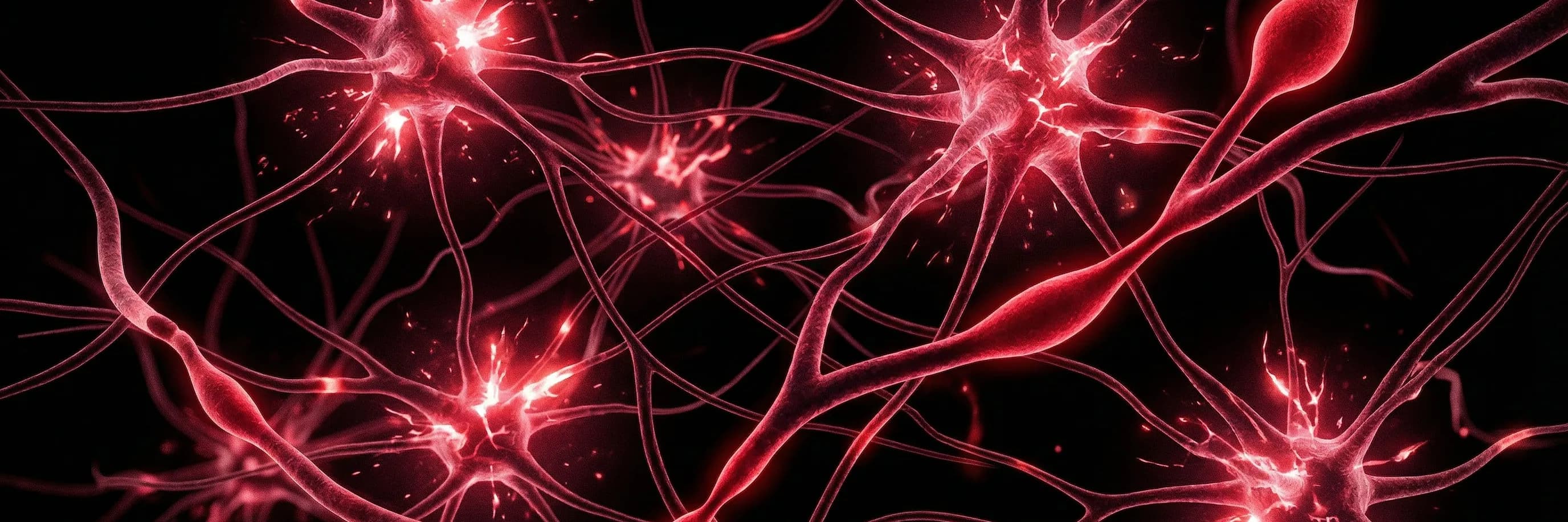
Day 3 of quitting smoking is often the hardest day of withdrawal. Nicotine is gone, and the brain's surplus nicotine receptors are at their emptiest, so cravings, irritability, anxiety, hunger and poor sleep tend to peak. It is also a turning point: by the end of day 3 carbon monoxide has cleared, breathing is easier, and the brain is already removing the receptors that drive cravings.
Why day 3 is the peak
Years of smoking caused your brain to build extra nicotine receptors. On day 3 those receptors have been empty long enough for the gap to feel its widest, and the strain shows up as cravings, a short fuse and a restless, foggy head. That same emptiness is the signal your brain uses to start dismantling the surplus. The process that will make cravings fade is already running underneath the discomfort.
By hour 72 carbon monoxide has cleared from your blood and nicotine is essentially gone. Your airways are less twitchy and breathing is easier, heart rate variability, a sign of a calmer nervous system, is climbing, and your blood is becoming less sticky. Your pancreas is recalibrating insulin release without nicotine's interference, which is one reason hunger can feel sudden and strong today. Taste and smell keep returning, so food may seem unusually vivid.
What you will probably feel
- Cravings at their strongest. Urges are frequent and intense, especially after meals and in the evening. Each one still rises and falls within minutes.
- Hunger. With nicotine's appetite brake gone, you may feel hungry soon after eating, with a pull toward sweet food.
- Anxiety and anger. Small frustrations can feel large. This is your nervous system recalibrating, not a change in who you are.
- Poor sleep and fatigue. Night 3 often brings frequent waking and intense dreams, and daytime tiredness follows.
- Chest and throat changes. Some people feel tightness or a tickling cough as the airways relax and clear.
What helps today
- Keep the day simple. Lighten your schedule where you can. Water, regular food, a walk and an early night cover most of what your body needs.
- Walk off the worst ones. A brisk ten- to fifteen-minute walk moves a strong craving better than sitting with it, and your easier breathing makes it more comfortable.
- Plan the after-dinner gap. The cigarette after the evening meal is often the hardest. Leave the table, wash up, brush your teeth or step out for a walk instead.
- Eat real meals. Protein and fiber at each meal steady blood sugar and reduce grazing. Keep crunchy, low-sugar snacks within reach.
DAY 3 · WATCH
Day 3 Quitting Cold Turkey: The 72-Hour Milestone — What Changes When Nicotine Fully Clears
MILESTONES TODAY
COMMON SYMPTOMS TODAY
24 AUDIO BRIEFINGS TODAY
Hours with audio: H49H50H51H52H53H54H55H56H57H58H59H60H61H62H63H64H65H66H67H68H69H70H71H72
ALL 24 HOURS
FREQUENTLY ASKED QUESTIONS
Why is day 3 of quitting smoking so hard?
Because day 3 is when your brain notices the absence of nicotine most. The extra receptors smoking created have been empty for two days, so cravings, irritability, anxiety and sleep problems reach their peak. Hunger also rises as nicotine's appetite suppression wears off. The intensity reflects the brain adjusting, and it usually starts to ease from day 4.
What day of quitting smoking gets easier?
For most people, the physical side begins to ease from day 4 and is noticeably lighter by days 5 to 7. Cravings become less frequent and more tied to specific situations than to a constant background pull. The second week is usually calmer still, although individual triggers can produce strong urges for weeks.
What happens after 3 days of not smoking?
By the end of day 3, carbon monoxide has cleared from your blood, nicotine is essentially gone, and breathing feels easier as your airways relax. Taste and smell are sharper. Your brain has begun removing the surplus nicotine receptors that drive cravings, which is why withdrawal tends to ease over the following days.
Is it better to quit smoking suddenly or gradually?
Both routes work for some people. What matters most is setting a firm quit date and having a plan for cravings. Support from a doctor, pharmacist or stop-smoking service and approved stop-smoking medicines raise the chances of success with either approach. If you have chosen to stop all at once, days 2 to 4 are the stretch to plan around.
When should I see a doctor during withdrawal?
Withdrawal is uncomfortable but not dangerous. Get medical help for chest pain, a racing or irregular heartbeat, breathlessness that is getting worse, coughing up blood, severe low mood, or any thoughts of self-harm. These are not normal withdrawal symptoms and need checking.
Get hour-by-hour guidance, push notification briefings, and audio coaching delivered to your phone.

