336

Fatigue & Energy Levels Po Rzuceniu Palenie

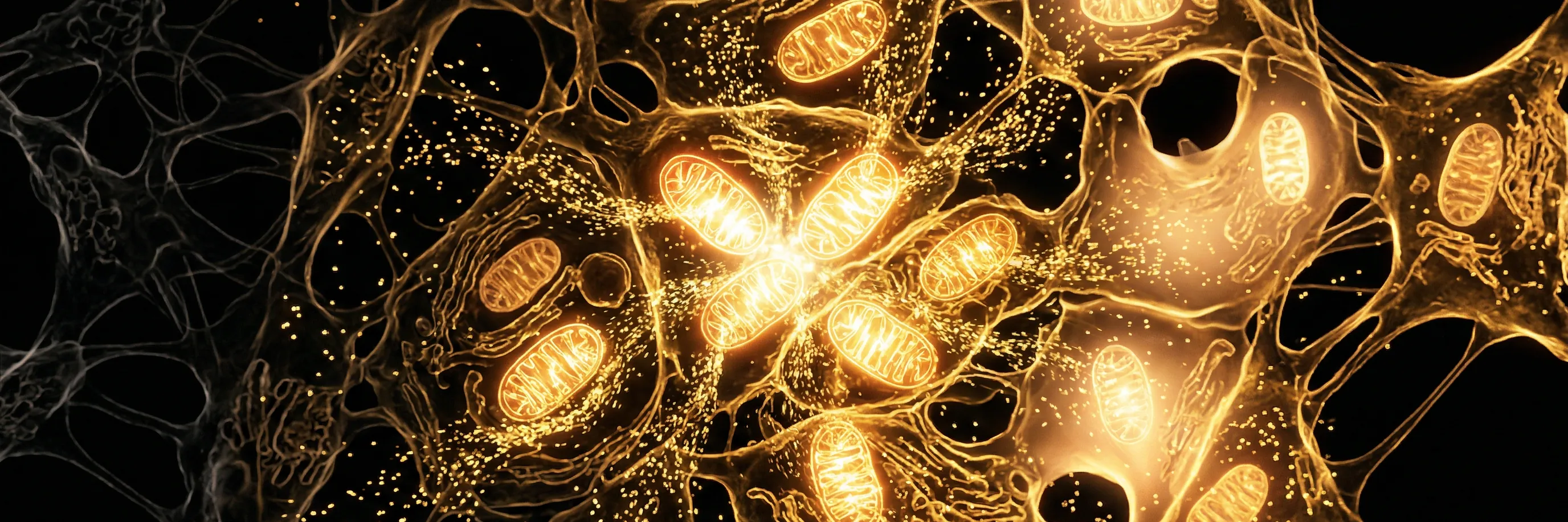
Clinical visualization of fatigue & energy levels during smoking withdrawal

Fatigue after quitting smoking begins around day 2-3 and peaks during days 3-5. Nicotine was a stimulant that artificially boosted alertness and energy. Without it, your body recalibrates its natural energy production. Energy returns significantly by day 7-10 and stabilizes at a consistent level by day 14 — often more sustained than the peak-and-trough cycle of active smoking.

Smokers often didn't realize how much their energy depended on the next cigarette. Every smoke triggered norepinephrine and dopamine — stimulant neurotransmitters. Removing that constant stimulation creates a temporary energy gap while your brain rebuilds natural production.

KIEDY ZACZYNA SIĘ

Energy decline on day 2-3 as stimulant effects fully clear.

KIEDY OSIĄGA SZCZYT

Peak fatigue days 3-5 at the nadir of dopamine and norepinephrine production.

KIEDY MIJA

Energy recovers by day 7-10 and often exceeds smoking-era levels by day 14, minus the boom-bust cycle.

DLACZEGO WYSTĘPUJE

Nicotine stimulated norepinephrine (alertness) and dopamine (motivation). Your brain atrophied natural production of these during years of smoking. The transition gap produces fatigue until endogenous production recovers.

CO ROBIĆ

Sleep when tired. Short naps (20 min max). Exercise for natural energy. Regular protein-rich meals. Morning sunlight for circadian support. Don't overdo caffeine.

GODZINY, W KTÓRYCH POJAWIA SIĘ TEN OBJAW

H27Hepatic Cotinine Metabolism Ongoing: The liver continues metabolizing cotinine into trans-3'-hydroxycotinine via CYP2A6.H37Mitochondrial Respiration Improving: Cellular mitochondria, previously exposed to hydrogen cyanide from cigarette smoke which inhibits cytochrome c oxidase, are recovering electron transport chain efficiency.H39Serum Lipid Profile Shifting: HDL cholesterol, suppressed 5-10% by chronic smoking, begins its recovery.H61Mucosal Immunoglobulin A Recovering: Secretory IgA levels in saliva and bronchial secretions, reduced by chronic smoke exposure, are beginning to recover.H72Nicotine-Free Body Achieved: The body is now 100% free of nicotine.H86Prefrontal Cortex Adaptation: Functional connectivity between the prefrontal cortex and the anterior cingulate cortex is strengthening as these regions recalibrate without nicotine modulation.H87Vascular Endothelium Healing: Endothelial cells lining blood vessels are increasing nitric oxide production now that nicotine is no longer inhibiting endothelial nitric oxide synthase (eNOS).H89Norepinephrine Rebalancing: The locus coeruleus, which nicotine had chronically stimulated to release norepinephrine, is recalibrating its firing rate.H92Circadian Rhythm Disruption: Melatonin secretion timing remains disrupted.H99Insulin Sensitivity Improving: Peripheral insulin sensitivity is measurably improving.H104Sleep Pressure Normalizing: Adenosine receptor sensitivity is recalibrating.H119Overnight Healing Cascade: Growth hormone secretion during slow-wave sleep is normalizing, facilitating overnight tissue repair.H123Leptin Signaling Recovering: Leptin receptor sensitivity in the hypothalamus is improving without nicotine's confounding effects on energy homeostasis.H147Glycemic Control Stabilized: Fasting blood glucose and post-prandial insulin responses are now within normal physiological ranges.H166Circadian Rhythm Consolidated: The suprachiasmatic nucleus has largely re-entrained to a nicotine-free circadian rhythm.H182NK Cell Activity Normalizing: Natural killer cell cytotoxic activity, previously suppressed by nicotine's immunomodulatory effects, is returning to normal levels.H200Mitochondrial Function Improving: Cellular mitochondrial efficiency is recovering as carbon monoxide-mediated inhibition of cytochrome c oxidase has fully resolved.H223Basal Metabolic Rate Adjusting: Basal metabolic rate is adjusting downward by approximately 4-8% as nicotine's thermogenic and sympathomimetic effects have fully cleared.H246Basal Metabolic Recalibration: Metabolic rate, which was artificially elevated by nicotine's sympathomimetic effects, has stabilized.H256Insulin Sensitivity Improving: Peripheral insulin sensitivity is increasing as nicotine's interference with insulin signaling pathways resolves.

NAJCZĘŚCIEJ ZADAWANE PYTANIA

Why am I so tired?

Nicotine artificially boosted your energy via norepinephrine and dopamine. Without it, your brain needs days to rebuild natural production. Peaks days 3-5, resolves by day 10-14.

How long does it last?

Significant fatigue for about one week (days 2-7). Energy returns to normal or better by day 14.

Will I have more energy long-term?

Yes. Without the nicotine cycle, your energy level is more stable and sustained. No more crashes between cigarettes.

Pobierz 336

Otrzymuj wskazówki godzina po godzinie, powiadomienia push z briefingami i coaching audio dostarczane na Twój telefon.

APP STORE — WKRÓTCEGOOGLE PLAY — WKRÓTCE
Fatigue & Energy Levels After Quitting Smoking: Hour-by-Hour Timeline | 336