ЧАС 60 ИЗ 336Достигнуто максимальное голодание рецепторов
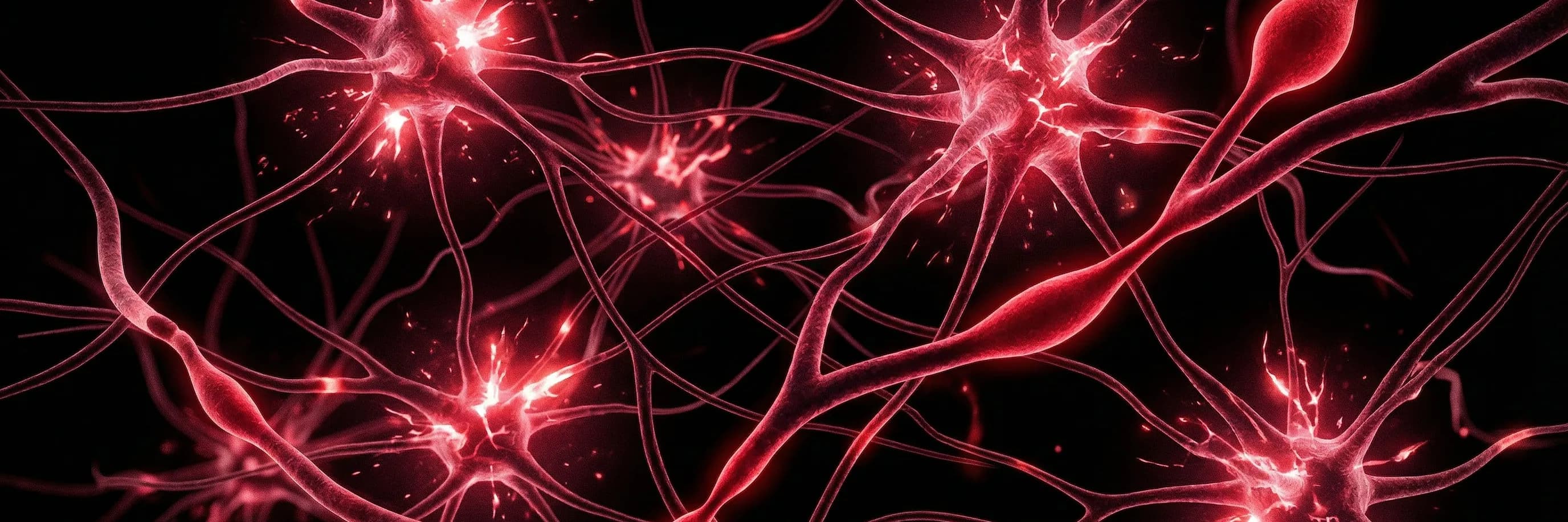
На 60-м часе отказа от курения (3-й день) никотин полностью выведен из организма. Достигнуто максимальное голодание рецепторов: занятость никотиновых ацетилхолиновых рецепторов достигла своего минимума. Когнитивный туман достигает пиковой интенсивности, поскольку холинергическая система работает на самом низком функциональном уровне периода абстиненции. Это нормальная и документированная стадия никотиновой абстиненции.
ЧТО ПРОИСХОДИТ В ВАШЕМ ОРГАНИЗМЕ
Занятость никотиновых ацетилхолиновых рецепторов достигла своего минимума. Увеличенная популяция рецепторов испытывает максимальное голодание агониста, что парадоксально сигнализирует о начале понижения регуляции рецепторов обратно к плотности некурящего. Сигаретный дым содержит более 7000 химических веществ — никотин создаёт зависимость, но продукты горения (смолы, угарный газ, формальдегид, бензол) причиняют наибольший физический вред. По мере выведения никотина прекращается и постоянное воздействие этих токсинов.
В этот момент — «Достигнуто максимальное голодание рецепторов» — ваш организм полностью свободен от никотина и сосредоточен на неврологическом восстановлении и восстановлении тканей.
Ваш кровоток теперь свободен от никотина — состояние, в котором он не находился с тех пор, как вы стали регулярно курить. Для человека, выкуривавшего пачку в день, это примерно 200 доз никотина в день, 7300 в год, каждая из которых укрепляла нейронные пути зависимости. Всё это воздействие прекратилось. Механизмы восстановления вашего организма, которые постоянно боролись с новым ущербом, пока вы курили, теперь могут полностью сосредоточиться на исцелении. Более 7000 химических веществ — канцерогены вроде бензола, формальдегида и акролеина — больше не поступают.
Вот цифра, которая имеет значение: ваша лёгочная функция улучшилась достаточно к этому моменту, чтобы физическая активность должна ощущаться заметно легче, чем когда вы употребляли никотин. Если вы ещё не занимались спортом сегодня, сейчас хорошее время. Даже пятнадцатиминутная прогулка будет ощущаться по-другому в ваших лёгких. Вы будете дышать легче.
ЧТО ВЫ ЧУВСТВУЕТЕ
Когнитивный туман достигает пиковой интенсивности, поскольку холинергическая система работает на самом низком функциональном уровне периода абстиненции.
Утренние часы несут тяжёлую триггерную нагрузку для курильщиков — поездка на работу, рабочий перерыв, утренний кофе. Каждый из них был ритуалом курения. Сегодня каждый из них, который вы проходите без сигареты, ослабляет ассоциацию. Это не ощущается как прогресс, но это он и есть.
Курение имеет встроенные ритуалы — пачка, зажигалка, первая сигарета с утренним кофе, курение после еды — каждый из них триггер, встроенный в вашу ежедневную рутину. Десятилетия исследований курения показывают, что ритуальные элементы — пачка в кармане, зажигалка в руке, первая затяжка утром — создают психологическую зависимость, которая протекает параллельно и независимо от никотиновой зависимости. Вы сражаетесь с обеими одновременно прямо сейчас, и именно это делает первые 72 часа такими интенсивными.
Если вы курили годами или десятилетиями, ваш организм накопил ущерб, который начинает обращаться вспять с момента, как вы бросаете. Каждый час без сигареты — измеримый прогресс. Каждый час, когда вы не закуриваете, ваш мозг записывает новую точку данных: «Я пережил этот триггер без сигареты». Со временем эти точки данных накапливаются в новое состояние по умолчанию. Но прямо сейчас старое состояние по умолчанию звучит громко.
ЧТО ДЕЛАТЬ ПРЯМО СЕЙЧАС
Примите сниженную когнитивную продуктивность сегодня и отложите любые сложные решения или важные задачи на завтра; принуждение к концентрации на пике тумана контрпродуктивно.
Физические упражнения — лучший способ борьбы с тягой. Даже 5 минут быстрой ходьбы снижают интенсивность тяги на 25-40% (измерено в клинических исследованиях). Это работает, потому что упражнения запускают выброс эндорфинов, который частично компенсирует дефицит дофамина, оставленный отменой никотина.
Позвоните своему человеку поддержки. Если вы кому-то говорили, что бросаете, сейчас время, когда эта инвестиция окупается. Даже 2-минутный разговор создаёт достаточно когнитивного перенаправления, чтобы пережить тягу, которая достигает пика и угасает за 60-90 секунд.
ЧТО ОЖИДАТЬ В ЭТОТ ЧАС
В этот утренний период 3-го дня отказа от курения симптомы абстиненции достигают пиковой интенсивности — тяжелее уже не будет. Ваш организм полностью свободен от никотина — все оставшиеся симптомы являются неврологической адаптацией, а не химической абстиненцией. В течение фазы Острой Абстиненции (Дни 1-3) ваш организм сосредоточен на выведении никотина и его метаболитов. Никотин из сигарет расщепляется и выводится. Каждый час приносит измеримый прогресс.
ИЗМЕНЕНИЯ В ОРГАНИЗМЕ
Уровень никотина: 0% — полностью выведен из кровотока. Ваш организм достиг полного выведения никотина к 72-му часу.
ЧАСТЫЕ СИМПТОМЫ СЕГОДНЯ
ЧАСТО ЗАДАВАЕМЫЕ ВОПРОСЫ
Нормально ли так себя чувствовать через 60 часов после отказа от курения?
Да. На 60-м часе (3-й день) ваш организм полностью свободен от никотина и проходит неврологическую адаптацию. Симптомы, которые вы испытываете — находящиеся сейчас на пиковой интенсивности — являются документированной частью никотиновой абстиненции, и они пройдут.
Сколько никотина остаётся в моём организме через 60 часов?
Через 60 часов без курения в вашем кровотоке остаётся примерно 0,0% никотина. Ваш организм теперь на 100% свободен от никотина. Все оставшиеся симптомы неврологические, а не химические.
Получайте почасовое руководство, уведомления с инструктажем и аудио-коучинг прямо на свой телефон.