JAM 56 DARI 336Faktor Pertumbuhan Endotel Vaskular Menormal
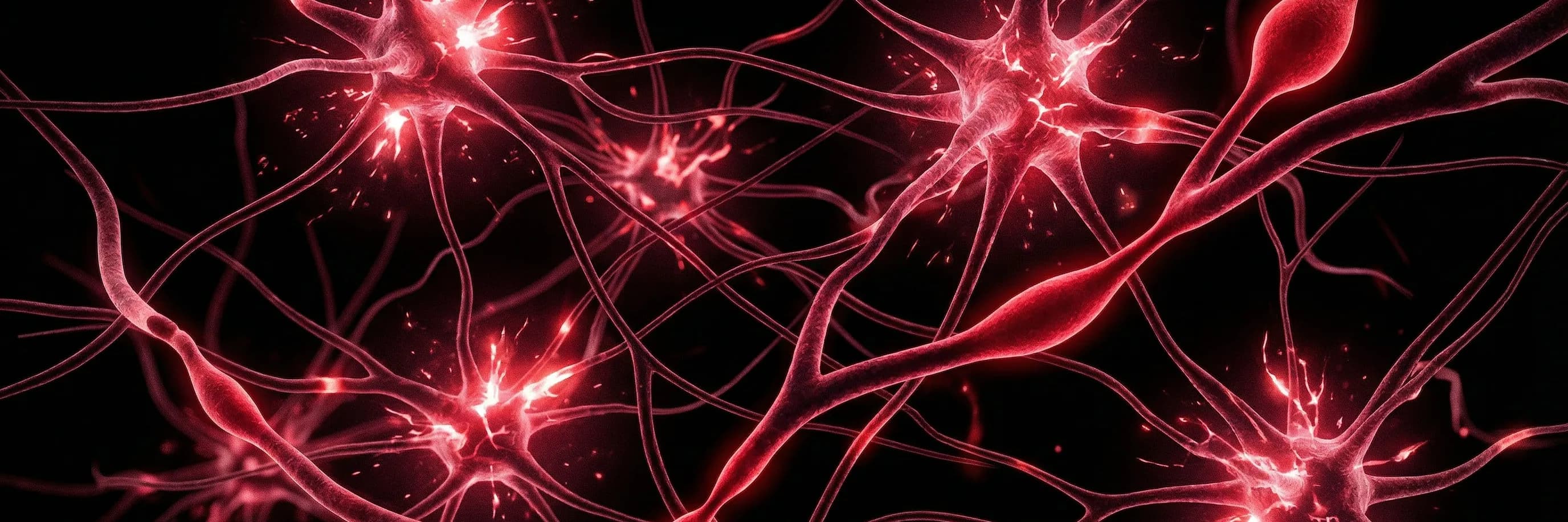
Pada jam ke-56 berhenti merokok (hari ke-3), nikotin telah benar-benar bersih dari tubuh Anda. Faktor Pertumbuhan Endotel Vaskular Menormal: Ekspresi VEGF, yang secara patologis diubah oleh merokok kronis, mulai menormal. Pertanyaan eksistensial tentang identitas tanpa merokok mungkin muncul—siapa saya jika saya bukan perokok?. Ini adalah tahap normal dan terdokumentasi dari penarikan rokok.
APA YANG TERJADI DALAM TUBUH ANDA
Ekspresi VEGF, yang secara patologis diubah oleh merokok kronis, mulai menormal. Sinyal angiogenik yang tepat mendukung perbaikan jaringan yang sehat tanpa neovaskularisasi menyimpang yang terlihat dalam patologi terkait merokok. Asap rokok mengandung lebih dari 7.000 bahan kimia — nikotin adalah yang membuat Anda kecanduan, tetapi produk sampingan pembakaran (tar, karbon monoksida, formaldehida, benzena) adalah yang menyebabkan kerusakan fisik paling besar. Saat nikotin hilang, paparan toksin-toksin ini juga berhenti.
Pada saat ini — "Faktor Pertumbuhan Endotel Vaskular Menormal" — tubuh Anda sepenuhnya bebas nikotin dan fokus pada pemulihan neurologis dan jaringan.
Aliran darah Anda kini bebas nikotin — keadaan yang tidak dialami sejak Anda menjadi perokok rutin. Untuk seseorang yang merokok satu bungkus per hari, itu sekitar 200 dosis nikotin per hari, 7.300 per tahun, masing-masing memperkuat jalur saraf kecanduan. Semua input itu telah berhenti. Mekanisme perbaikan tubuh Anda, yang terus-menerus melawan kerusakan baru saat Anda merokok, kini dapat fokus sepenuhnya pada penyembuhan. Lebih dari 7.000 bahan kimia — karsinogen seperti benzena, formaldehida, dan akrolein — tidak lagi dihantarkan.
Ini pertanyaan yang mungkin menghantam Anda sekarang: siapa Anda tanpa nikotin? Jika Anda menggunakannya selama bertahun-tahun, itu menjadi bagian dari identitas Anda. Orang yang keluar untuk istirahat. Orang yang meraih alat saat stres, atau bosan, atau merayakan. Identitas itu sedang larut, dan itu terasa seperti kehilangan — meskipun yang sebenarnya Anda hilangkan adalah yang membunuh Anda.
APA YANG ANDA RASAKAN
Pertanyaan eksistensial tentang identitas tanpa merokok mungkin muncul—siapa saya jika saya bukan perokok?
Jam pagi membawa beban pemicu berat bagi perokok — perjalanan ke kantor, istirahat kerja, kopi pertengahan pagi. Masing-masing adalah ritual merokok. Hari ini, setiap yang Anda lalui tanpa rokok melemahkan asosiasi. Tidak terasa seperti kemajuan, tapi memang begitu.
Merokok memiliki ritual bawaan — bungkus rokok, korek api, rokok pertama dengan kopi pagi, rokok setelah makan — masing-masing adalah pemicu yang terpasang dalam rutinas harian Anda. Penelitian merokok selama puluhan tahun menunjukkan bahwa elemen ritual — bungkus di saku, korek api di tangan, hirupan pertama di pagi hari — menciptakan ketergantungan psikologis yang berjalan paralel dan independen dari kecanduan nikotin. Anda sedang melawan keduanya secara bersamaan sekarang, dan itulah yang membuat 72 jam pertama begitu intens.
Jika Anda telah merokok selama bertahun-tahun atau puluhan tahun, tubuh Anda telah mengakumulasi kerusakan yang mulai membalik begitu Anda berhenti. Setiap jam tanpa rokok adalah kemajuan yang terukur. Setiap jam Anda tidak menyalakan rokok, otak Anda merekam titik data baru: "Saya selamat dari pemicu ini tanpa rokok." Seiring waktu, titik-titik data ini terakumulasi menjadi default baru. Tapi sekarang, default lama masih keras.
APA YANG HARUS DILAKUKAN SEKARANG
Tulis daftar 5 aktivitas yang bisa Anda lakukan dengan waktu yang sebelumnya dihabiskan untuk merokok dan pilih satu untuk dicoba dalam 2 jam ke depan.
Ketika keinginan muncul — seperti panggilan telepon stres atau tenggat kerja — gunakan teknik pernapasan 4-7-8: tarik napas 4 detik, tahan 7, buang napas 8. Pernafasan yang diperpanjang mengaktifkan sistem saraf parasimpatis dan menurunkan lonjakan kortisol yang mendorong keinginan. Ini akan berlalu dalam 90 detik.
Teknik air dingin: Minum segelas air es secepat yang nyaman bagi Anda. Sensasi dingin dan tindakan minum mengisi fiksasi oral dan saraf vagus Anda. Ikuti dengan permen yang kuat — rasa tajam menggantikan sensasi tenggorokan dari asap.
APA YANG DIHARAPKAN JAM INI
Selama rentang pagi di hari ke-3 berhenti merokok, gejala penarikan berada pada intensitas puncak — ini adalah yang tersulit. Tubuh Anda sepenuhnya bebas dari nikotin — semua gejala yang tersisa adalah adaptasi neurologis, bukan penarikan kimiawi. Selama fase Penarikan Akut (Hari 1-3), tubuh Anda fokus pada pembersihan nikotin dan metabolitnya. Nikotin dari rokok sedang dipecah dan dieliminasi. Setiap jam membawa kemajuan yang terukur.
PERUBAHAN TUBUH
Kadar nikotin: 0% — benar-benar bersih dari aliran darah. Tubuh Anda mencapai pembersihan nikotin penuh pada jam ke-72.
PERTANYAAN YANG SERING DIAJUKAN
Apakah normal merasa seperti ini 56 jam setelah berhenti merokok?
Ya. Pada jam ke-56 (hari ke-3), tubuh Anda sepenuhnya bebas dari nikotin dan sedang mengalami adaptasi neurologis. Gejala yang Anda alami — yang berada pada intensitas puncak sekarang — adalah bagian terdokumentasi dari penarikan nikotin dan akan berlalu.
Berapa banyak nikotin yang tersisa di tubuh saya setelah 56 jam?
Setelah 56 jam tanpa merokok, sekitar 0,0% nikotin tersisa di aliran darah Anda. Tubuh Anda kini 100% bebas nikotin. Semua gejala yang tersisa bersifat neurologis, bukan kimiawi.
Dapatkan panduan jam demi jam, briefing notifikasi push, dan pelatihan audio langsung ke ponsel Anda.