336 में से घंटा 51फेफड़ों का सरफ़ैक्टेंट रिकवरी
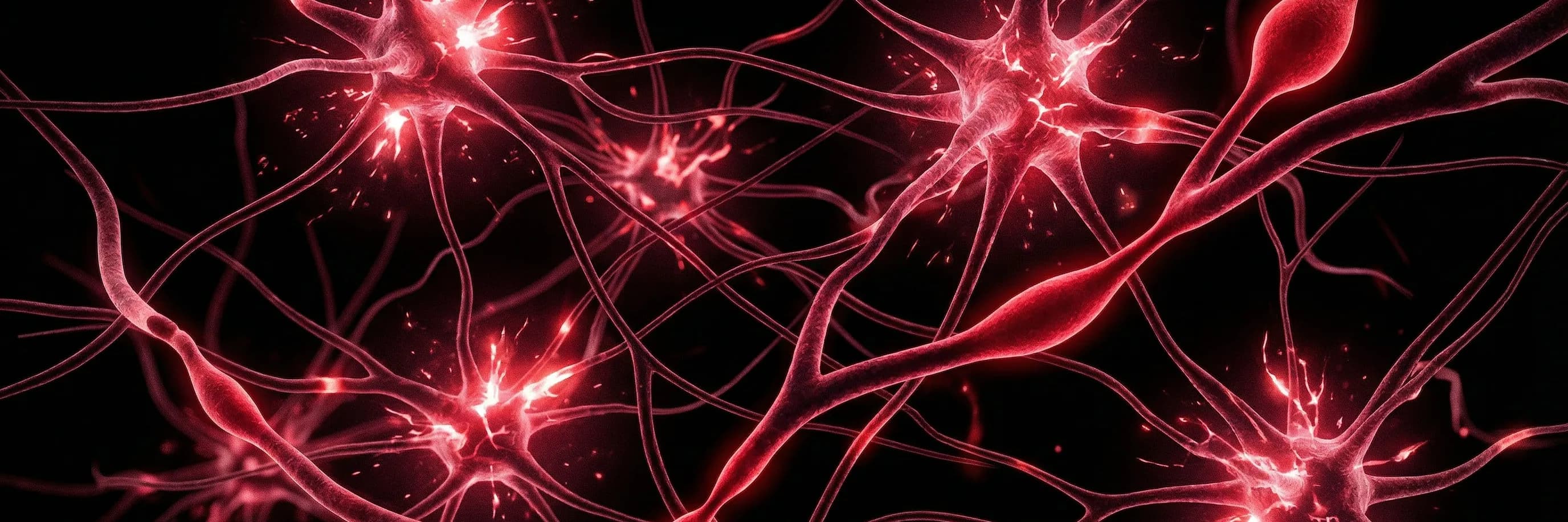
धूम्रपान छोड़ने के घंटा 51 पर (दिन 3), निकोटीन आपके शरीर से पूर्णतः साफ हो चुका है। फेफड़ों का सरफ़ैक्टेंट रिकवरी: टाइप II न्यूमोसाइट्स सामान्य सरफ़ैक्टेंट उत्पादन बहाल कर रहे हैं, जो पहले धुएं से हुए ऑक्सिडेटिव डैमेज से बिगड़ा हुआ था। छोड़ने का तीसरा दिन एक पीसने वाली, लगातार रहने वाली लालसा लाता है जो पहले की तीव्र स्पाइक्स से अलग होती है—एक निरंतर निम्न-स्तरीय आग्रह। यह धूम्रपान छोड़ने की एक सामान्य और प्रलेखित अवस्था है।
आपके शरीर में क्या हो रहा है
टाइप II न्यूमोसाइट्स सामान्य सरफ़ैक्टेंट उत्पादन बहाल कर रहे हैं, जो पहले धुएं से हुए ऑक्सिडेटिव डैमेज से बिगड़ा हुआ था। सुधरा हुआ सरफ़ैक्टेंट कार्य एल्वियोलर सतह तनाव कम करता है और गैस एक्सचेंज दक्षता को सहारा देता है। सिगरेट के धुएं में 7,000 से अधिक रसायन होते हैं — निकोटीन आपको लती बनाता है, लेकिन दहन उप-उत्पाद (टार, कार्बन मोनोऑक्साइड, फॉर्मेल्डिहाइड, बेंजीन) सबसे अधिक शारीरिक नुकसान पहुंचाते हैं। जैसे-जैसे निकोटीन साफ होता है, इन विषाक्त पदार्थों के निरंतर संपर्क से भी मुक्ति मिलती है।
इस क्षण — "फेफड़ों का सरफ़ैक्टेंट रिकवरी" — आपका शरीर पूर्णतः निकोटीन-मुक्त है और न्यूरोलॉजिकल एवं ऊतक रिकवरी पर ध्यान केंद्रित है।
अब आपका रक्तप्रवाह निकोटीन-मुक्त है — एक ऐसी स्थिति जो नियमित धूम्रपान करने के बाद से नहीं रही। जो व्यक्ति दिन में एक पैकेट पीता था, उसके लिए यह प्रतिदिन लगभग 200 निकोटीन खुराकें, साल में 7,300, प्रत्येक लत के न्यूरल पाथवे को मजबूत बनाती थी। यह सब इनपुट अब बंद हो गया है। आपके शरीर की मरम्मत तंत्र, जो धूम्रपान के दौरान लगातार नए नुकसान से लड़ रहे थे, अब पूर्णतः हीलिंग पर ध्यान केंद्रित कर सकते हैं। 7,000+ रसायन — बेंजीन, फॉर्मेल्डिहाइड, और एक्रोलीन जैसे कार्सिनोजन — अब नहीं पहुंच रहे।
आपकी श्वसन नलिकाएं अब स्पष्ट रूप से अधिक आराम में हैं। आपकी वायु मार्गों में स्थित चिकनी मांसपेशी रासायनिक जलन से लगातार संकुचन की स्थिति में थी — यह पिछले दो दिनों से खुल रही है, और अब तक आपको गहरी सांस लेने पर अंतर महसूस होना चाहिए। जितनी गहरी सांस ले सकते हैं लें। वह अतिरिक्त क्षमता — वह थोड़ी आसानी — तीन दिन पहले नहीं थी।
आप कैसा महसूस कर रहे हैं
छोड़ने का तीसरा दिन एक पीसने वाली, लगातार रहने वाली लालसा लाता है जो पहले की तीव्र स्पाइक्स से अलग होती है—एक निरंतर निम्न-स्तरीय आग्रह।
सुबह का समय पूर्व धूम्रपान करने वालों के लिए उच्च जोखिम का समय है। "दिन की पहली सिगरेट" अक्सर सभी दैनिक सिगरेट्स में सबसे अधिक मनोवैज्ञानिक रूप से प्रबलित होती थी — जागने, कॉफी, और नींद से सतर्कता में संक्रमण के साथ जुड़ी हुई। आपका मस्तिष्क अभी उस संकेत की तलाश कर रहा है। इसे किसी शारीरिक गतिविधि से बदलें: स्ट्रेच करें, चेहरे पर ठंडा पानी छिड़कें, ताजी हवा के लिए बाहर कदम रखें।
धूम्रपान में अंतर्निहित रीतियां हैं — पैकेट, लाइटर, सुबह की कॉफी के साथ पहली सिगरेट, खाने के बाद का धुआं — प्रत्येक आपकी दैनिक दिनचर्या में जुड़ा हुआ ट्रिगर। दशकों के धूम्रपान अनुसंधान से पता चलता है कि रीति तत्व — आपकी जेब में पैकेट, आपके हाथ में लाइटर, सुबह की पहली सांस — मनोवैज्ञानिक निर्भरता बनाते हैं जो निकोटीन लत के समानांतर और स्वतंत्र रूप से चलती है। आप अभी दोनों से एक साथ लड़ रहे हैं, और यही कारण है कि पहले 72 घंटे इतने तीव्र होते हैं।
यदि आपने वर्षों या दशकों तक धूम्रपान किया है, तो आपके शरीर में संचित नुकसान उसी क्षण से उलटना शुरू हो जाता है जब आप रुकते हैं। सिगरेट के बिना हर घंटा मापने योग्य प्रगति है। हर घंटा जब आप सिगरेट नहीं जलाते, आपका मस्तिष्क एक नया डेटा पॉइंट रिकॉर्ड कर रहा है: "मैंने इस ट्रिगर को सिगरेट के बिना सहा।" समय के साथ, ये डेटा पॉइंट एक नए डिफॉल्ट में संचित हो जाते हैं। लेकिन अभी, पुराना डिफॉल्ट जोर से बोल रहा है।
अभी क्या करें
अपनी कलाई पर एक रबर बैंड रखें और जब लालसा हो तो उसे जोर से खींचकर छोड़ें ताकि लालसा के विचार के साथ एक हल्का प्रतिकूल उत्तेजना मिल सके।
ठंडे पानी की तकनीक: एक पूरा गिलास बर्फ़ का पानी जितनी आराम से जल्दी पी सकते हैं पिएं। ठंडी संवेदना और पीने की क्रिया आपकी मुख स्थिरता और वेगस न्यूरव दोनों पर कब्जा कर लेती है। इसके बाद तेज़ पुदीना लें — तीखा स्वाद धुएं की गले की संवेदना को बदल देता है।
लालसा लिख लें: ट्रिगर, तीव्रता (1-10), समय, स्थान। यह अभ्यास — क्लिनिकल साहित्य में अर्ज सर्फिंग कहा जाता है — भारी भावना को अवलोकन योग्य डेटा में बदल देता है। ज्यादातर लोग जो लालसा को ट्रैक करते हैं वे पाते हैं कि ये उस क्षण की तुलना में छोटी और कम होती हैं जब वे महसूस करते हैं।
इस घंटे क्या उम्मीद करें
धूम्रपान छोड़ने के दिन 3 की इन सुबह के घंटों में, विड्रॉल के लक्षण चरम तीव्रता पर हैं — यह जितना कठिन हो सकता है उतना कठिन है। आपका शरीर पूर्णतः निकोटीन-मुक्त है — सभी बचे हुए लक्षण न्यूरोलॉजिकल अनुकूलन हैं, रासायनिक विड्रॉल नहीं। तीव्र विड्रॉल चरण (दिन 1-3) के दौरान, आपका शरीर निकोटीन और इसके मेटाबोलाइट्स को साफ करने पर केंद्रित है। सिगरेट से निकोटीन टूट रहा है और खत्म हो रहा है। हर घंटा मापने योग्य प्रगति लाता है।
शारीरिक बदलाव
निकोटीन स्तर: 0% — आपके रक्तप्रवाह से पूर्णतः साफ। आपके शरीर ने घंटा 72 पर पूर्ण निकोटीन निकासी प्राप्त की।
आज के सामान्य लक्षण
अक्सर पूछे जाने वाले प्रश्न
क्या धूम्रपान छोड़ने के 51 घंटे बाद ऐसा महसूस करना सामान्य है?
हां। घंटा 51 (दिन 3) पर, आपका शरीर पूर्णतः निकोटीन-मुक्त है और न्यूरोलॉजिकल अनुकूलन से गुजर रहा है। जो लक्षण आप अनुभव कर रहे हैं — जो अभी अपनी चरम तीव्रता पर हैं — ये निकोटीन विड्रॉल का प्रलेखित हिस्सा हैं और ये गुजर जाएंगे।
51 घंटे बाद मेरे शरीर में कितना निकोटीन बचा है?
धूम्रपान छोड़ने के 51 घंटे बाद, आपके रक्तप्रवाह में लगभग 0.0% निकोटीन बचा है। आपका शरीर अब 100% निकोटीन-मुक्त है। सभी बचे हुए लक्षण न्यूरोलॉजिकल हैं, रासायनिक नहीं।
घंटे-दर-घंटे मार्गदर्शन, पुश नोटिफिकेशन ब्रीफिंग्स, और ऑडियो कोचिंग अपने फोन पर पाएं।