Joint & Muscle Pain After Quitting Smoking
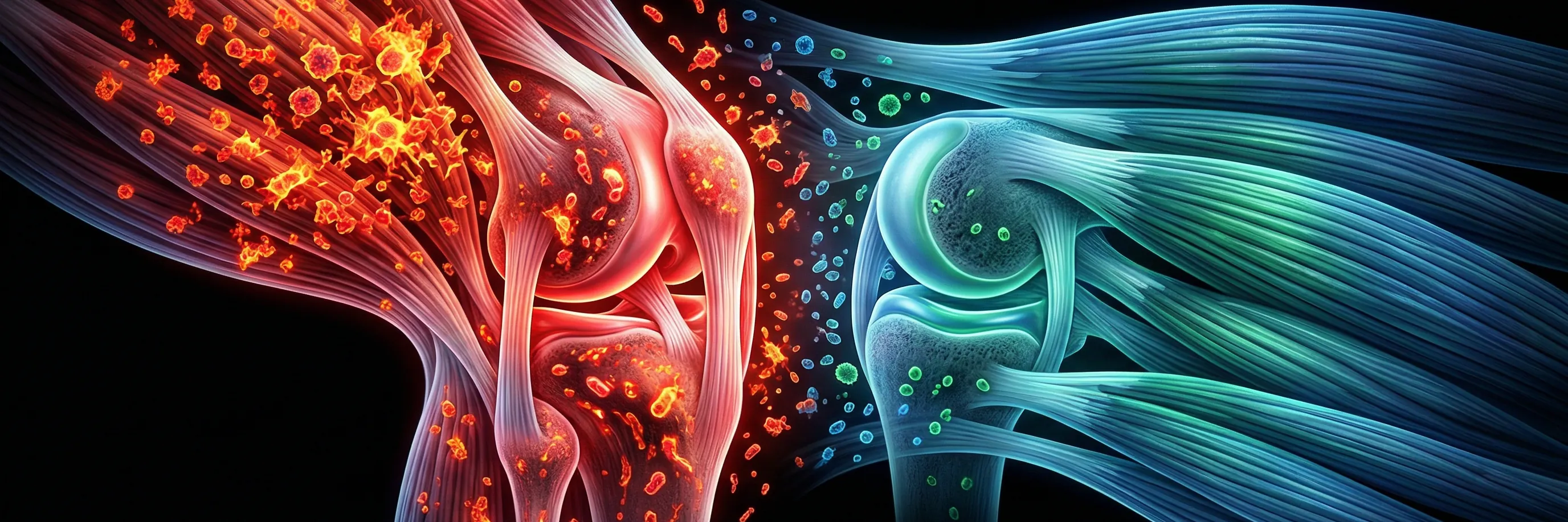
Joint and muscle pain after quitting smoking affects some people during days 2-7. Nicotine has analgesic properties — it suppresses pain signaling through endorphin release and opioid pathway interaction. When you quit, that pain suppression lifts, and pre-existing aches become perceptible. Additionally, cortisol-driven muscle tension (especially in neck, shoulders, and jaw) and improved circulation to previously constricted tissues can cause temporary discomfort. Resolves by day 10-14.
Body aches during smoking cessation are common but under-discussed. The mechanism is straightforward: nicotine is a mild painkiller, and quitting removes that analgesia. What feels like new pain is often old pain that was masked.
WHEN IT STARTS
Body aches typically appear around days 2-3 as nicotine's analgesic effects fully clear.
WHEN IT PEAKS
Peak discomfort around days 3-5, coinciding with maximum cortisol elevation and stress response.
WHEN IT RESOLVES
Resolves by day 7-10 for most people as cortisol normalizes and pain processing returns to baseline. If pain persists beyond 2 weeks, it's likely unrelated to withdrawal.
WHY IT HAPPENS
Nicotine stimulates endorphin release and interacts with opioid pain pathways, mildly suppressing pain perception. Quitting removes this analgesia. Additionally, cortisol elevation during withdrawal causes muscle tension, and improved blood flow to previously vasoconstricted tissues can trigger temporary inflammation as healing begins.
WHAT TO DO
Stretching and gentle movement help more than rest. Warm baths or showers relax tight muscles. OTC ibuprofen or acetaminophen are safe for acute discomfort. Jaw tension and teeth grinding (bruxism) are common — a conscious jaw relaxation practice helps. Magnesium supplements may support muscle relaxation.
HOURS WHERE THIS SYMPTOM APPEARS
FREQUENTLY ASKED QUESTIONS
Why do my muscles ache after quitting smoking?
Nicotine has mild analgesic properties — it suppresses pain through endorphin release. Quitting removes this effect, making pre-existing aches more noticeable. Cortisol elevation during withdrawal also causes muscle tension.
How long do body aches last?
Typically days 2-7, peaking around days 3-5. Resolves by day 10-14. If severe pain persists beyond 2 weeks, see a doctor.
Can I take painkillers?
OTC analgesics (ibuprofen, acetaminophen) are safe during withdrawal. Exercise, stretching, and warm baths are equally effective. Avoid opioids.
Get hour-by-hour guidance, push notification briefings, and audio coaching delivered to your phone.

