DAY 4 OF 14Peak Withdrawal
On day 4 of quitting smoking, the chemical part of withdrawal is winding down: cotinine, the breakdown product of nicotine, falls below the standard test cutoff around hour 80. Cravings now come mostly from cues such as meals, coffee and stress rather than from your blood. Mood can feel flat and temper short, while your cough clears your lungs and appetite rises at mealtimes.
What is happening in your body today
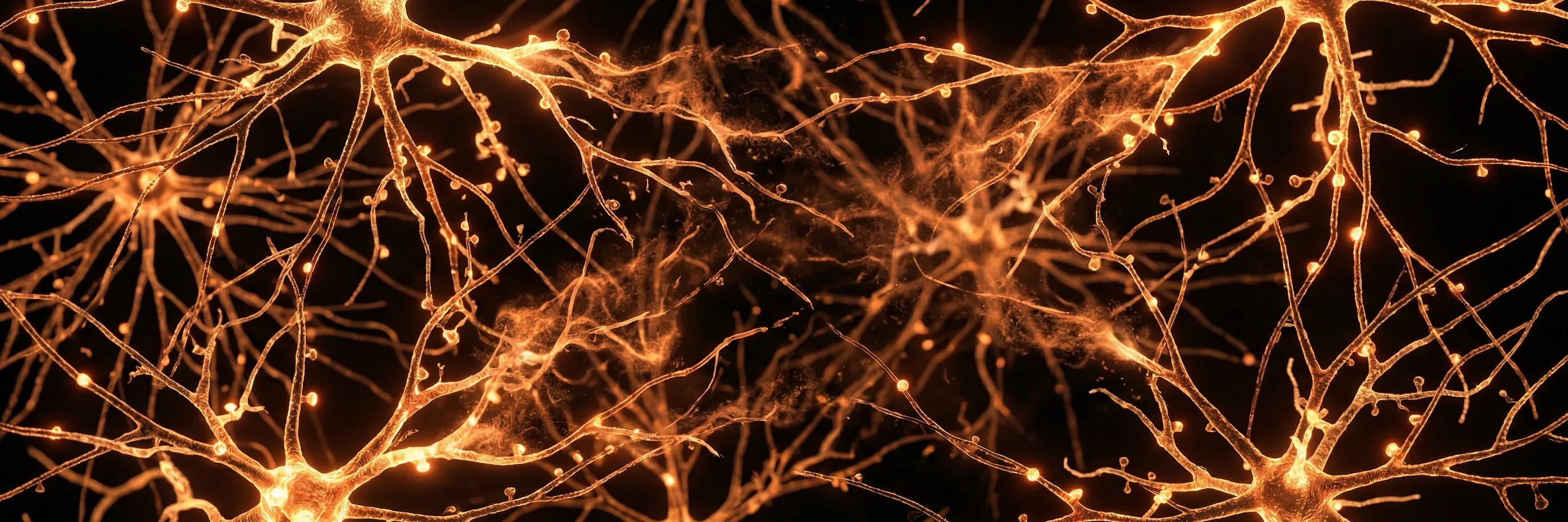
Day 4 marks a change in the kind of withdrawal you are going through. There is no nicotine left to clear, and cotinine drops below the 10 ng/mL level most tests use at around hour 80. What remains is your brain recalibrating. Nicotine had been releasing dopamine, the chemical tied to reward and motivation, many times a day. Without it, dopamine activity dips for a while, which is why pleasure and motivation can feel muted today.
The balance between your brain's calming and alerting signals is also resetting. That can bring unexplained spikes of anxiety followed by stretches of surprising calm. Meanwhile your body keeps repairing: cilia are clearing tar and debris from the lower airways, airway muscles are relaxing so each breath goes deeper, gums are getting better blood flow, and inflammation across the body is cooling. Your sleep clock is re-adjusting, so nights may still be broken.
What you will probably feel
- Cue cravings. Urges now spike around specific moments: coffee, finishing a meal, a stressful call, a break at work. Between cues, the background pull is lighter than yesterday.
- Flat mood and a short fuse. Low motivation and irritability are common on day 4. Small decisions can feel tiring because the smoke break used to punctuate your day.
- A productive cough. Coughing up mucus is often at its most active around now. It is your lungs clearing, not getting worse.
- Mealtime hunger. Appetite rebounds hardest at meals, and food tastes sharper than it has in years.
What helps today
- Map your cues. Write down the three moments that triggered the strongest urges so far. For each, decide in advance what you will do instead.
- Replace the break, not just the cigarette. Keep taking breaks at the same times, but spend them walking, stretching or drinking water outside. Your day still needs the pause.
- Get daylight and movement. Morning light and exercise both nudge dopamine and your sleep clock in the right direction.
- Postpone big decisions. If something can wait until next week, let it. Irritability is temporary and so is decision fatigue.
DAY 4 · WATCH
Day 4 Quitting Cold Turkey: The Neurological Rewire Begins (Hour-by-Hour)
MILESTONES TODAY
COMMON SYMPTOMS TODAY
3 AUDIO BRIEFINGS TODAY
ALL 24 HOURS
FREQUENTLY ASKED QUESTIONS
Why is day 4 of quitting smoking so hard?
Day 4 is hard for different reasons than day 3. The chemical withdrawal is easing, but dopamine activity is temporarily low, so mood is flat and motivation is thin. Cravings also shift to habit cues, which can catch you off guard at familiar moments. Many people find days 4 and 5 feel heavy even though the physical peak has passed.
How long does anxiety last after quitting smoking?
Withdrawal anxiety usually peaks in the first three days, eases noticeably by the end of the first week and settles over the second week as your brain's calming and alerting signals rebalance. If you had anxiety before smoking, it returns to that baseline rather than disappearing. Talk to a doctor if anxiety is severe or gets worse after two weeks.
Do nicotine cravings ever go away?
They become far less frequent and much weaker. The chemical pull fades over the first week. Cue-driven cravings, triggered by places, people and routines, fade more slowly; each time you meet a trigger without smoking, the link weakens. Occasional strong urges can still appear weeks or months later, usually briefly.
What kills the urge to smoke in the moment?
Interrupt the cue. Stand up and move, change rooms, drink something cold, or breathe in for four counts and out for six until the wave passes. Have the replacement ready before the trigger: gum after meals, a walk after coffee. Urges usually fade within minutes even if you do nothing at all.
What happens on days 5 and 6 of not smoking?
Symptoms usually drop from strong to moderate. Brain fog lifts in short windows, your natural painkillers recover, and cotinine reaches background levels early on day 6. Sleep can still be disturbed by vivid dreams, and appetite stays high. Cravings are fewer and tied to specific situations.
Get hour-by-hour guidance, push notification briefings, and audio coaching delivered to your phone.

