GIỜ 68 TRONG TỔNG SỐ 336Độ nhạy Leptin đang điều chỉnh
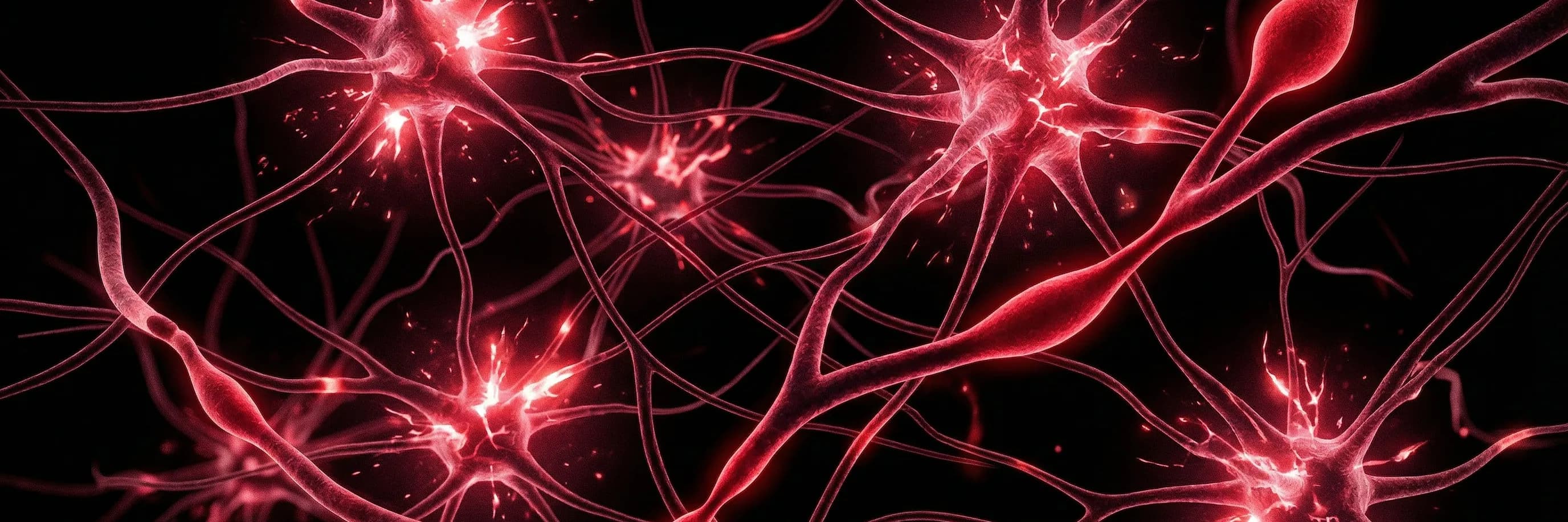
Tại giờ thứ 68 của quá trình bỏ thuốc lá (ngày 3), nicotine đã được thanh lọc hoàn toàn khỏi cơ thể bạn. Độ nhạy Leptin đang điều chỉnh: Độ nhạy leptin, bị gián đoạn bởi tác động của nicotine lên trung tâm thèm ăn dưới đồi, đang tái hiệu chuẩn. Cảm giác đói và cơn thèm có thể trở nên khó phân biệt, vì cả hai đều biểu hiện như những ham muốn cấp thiết, nuốt chửng tập trung vào hành vi qua miệng. Đây là giai đoạn bình thường và được ghi nhận của hội chứng cai thuốc lá.
ĐIỀU GÌ ĐANG DIỄN RA TRONG CƠ THỂ BẠN
Độ nhạy leptin, bị gián đoạn bởi tác động của nicotine lên trung tâm thèm ăn dưới đồi, đang tái hiệu chuẩn. Động lực tăng thèm ăn tăng lên khi dưới đồi điều chỉnh để thích ứng với việc thiếu ức chế thèm ăn do nicotine. Khói thuốc lá chứa hơn 7.000 hóa chất — nicotine là thứ gây nghiện, nhưng các sản phẩm cháy (nhựa đường, carbon monoxide, formaldehyde, benzene) mới là nguyên nhân gây tổn thương vật lý nhiều nhất. Khi nicotine được thanh lọc, việc tiếp xúc liên tục với những độc tố này cũng dừng lại.
Tại thời điểm này — "Độ nhạy Leptin đang điều chỉnh" — cơ thể bạn đã hoàn toàn sạch nicotine và tập trung vào phục hồi thần kinh và mô.
Dòng máu của bạn hiện tại không còn nicotine — một trạng thái mà nó chưa từng có kể từ khi bạn trở thành người hút thuốc thường xuyên. Đối với người hút một bao thuốc mỗi ngày, đó là khoảng 200 liều nicotine mỗi ngày, 7.300 liều mỗi năm, mỗi liều đều củng cố các đường dẫn thần kinh của chứng nghiện. Tất cả đầu vào đó đã dừng lại. Cơ chế sửa chữa của cơ thể, vốn liên tục chống lại tổn thương mới khi bạn hút thuốc, giờ có thể tập trung hoàn toàn vào việc chữa lành. Hơn 7.000 hóa chất — các chất gây ung thư như benzene, formaldehyde và acrolein — không còn được cung cấp nữa.
Bạn có thể lại cảm thấy đói. Đây là lý do: nicotine đã ức chế thèm ăn của bạn bằng cách tác động trực tiếp lên dưới đồi — vùng não kiểm soát tín hiệu đói. Không có sự ức chế đó, dưới đồi của bạn đang tái hiệu chuẩn, và ngay bây giờ nó đang vượt quá mức. Động lực đói được điều chỉnh cao hơn mức cần thiết trong khi hệ thống tìm kiếm mức cơ bản mới.
CẢM GIÁC CỦA BẠN
Cảm giác đói và cơn thèm có thể trở nên khó phân biệt, vì cả hai đều biểu hiện như những ham muốn cấp thiết, nuốt chửng tập trung vào hành vi qua miệng.
Buổi tối mang lại những liên tưởng mạnh mẽ cho người hút thuốc — điếu thuốc thư giãn, điếu thuốc sau bữa tối, điếu thuốc tối trên hiên. Đây là những nghi lễ an ủi, không chỉ là cách cung cấp nicotine. Việc thay thế chúng không chỉ đòi hỏi tránh thuốc lá mà còn chủ động tạo ra một thói quen thư giãn mới. Một đồ uống nóng, giãn cơ nhẹ hoặc đọc sách có thể báo hiệu "ngày kết thúc" cho não bộ của bạn mà không cần khói.
Hút thuốc có các nghi lễ được xây dựng sẵn — bao thuốc, bật lửa, điếu thuốc đầu tiên với cà phê buổi sáng, điếu thuốc sau bữa ăn — mỗi cái là một kích hoạt được kết nối vào thói quen hàng ngày của bạn. Hàng thập kỷ nghiên cứu về hút thuốc cho thấy các yếu tố nghi lễ — bao thuốc trong túi, bật lửa trong tay, hơi hít đầu tiên của buổi sáng — tạo ra sự phụ thuộc tâm lý chạy song song và độc lập với nghiện nicotine. Bạn đang chiến đấu với cả hai cùng lúc ngay bây giờ, và đó là điều làm cho 72 giờ đầu tiên trở nên căng thẳng như vậy.
Nếu bạn đã hút thuốc nhiều năm hoặc nhiều thập kỷ, cơ thể bạn đã tích tụ tổn thương bắt đầu đảo ngược ngay từ khi bạn dừng lại. Mỗi giờ không hút thuốc là tiến bộ có thể đo lường được. Mỗi giờ bạn không châm lửa, não bộ của bạn đang ghi lại một điểm dữ liệu mới: "Tôi đã vượt qua kích hoạt này mà không cần thuốc lá." Theo thời gian, những điểm dữ liệu này tích tụ thành một mặc định mới. Nhưng ngay bây giờ, mặc định cũ rất to.
VIỆC CẦN LÀM NGAY LÚC NÀY
Trước khi hành động theo bất kỳ cơn thèm nào, hãy uống một ly nước đầy và đợi 5 phút; cơn khát và cơn thèm nicotine đều có thể ngụy trang thành cảm giác đói.
Tập thể dục là biện pháp can thiệp cơn thèm tốt nhất. Ngay cả 5 phút đi bộ nhanh cũng giảm cường độ thèm thuốc 25-40% (được đo trong các nghiên cứu lâm sàng). Nó hoạt động bởi vì tập thể dục kích hoạt giải phóng endorphin bù đắp một phần cho thiếu hụt dopamine do cai nicotine.
Gọi cho người hỗ trợ của bạn. Nếu bạn đã nói với ai đó rằng bạn đang bỏ thuốc, giờ là lúc khoản đầu tư đó được đền đáp. Ngay cả một cuộc trò chuyện 2 phút cũng tạo ra đủ sự chuyển hướng nhận thức để kéo dài hơn cơn thèm, cơn thèm đạt đỉnh và biến mất trong 60-90 giây.
ĐIỀU MONG ĐỢI TRONG GIỜ NÀY
Khi buổi tối tiến triển trong ngày 3 bỏ thuốc lá, các triệu chứng cai thuốc đang ở cường độ đỉnh điểm — đây là lúc khó khăn nhất. Cơ thể bạn đã hoàn toàn sạch nicotine — tất cả các triệu chứng còn lại là thích ứng thần kinh, không phải cai hóa chất. Trong giai đoạn Cai cấp tính (Ngày 1-3), cơ thể bạn tập trung vào việc thanh lọc nicotine và các chất chuyển hóa của nó. Nicotine từ thuốc lá đang được phân hủy và loại bỏ. Mỗi giờ mang lại tiến bộ có thể đo lường được.
THAY ĐỔI CƠ THỂ
Mức nicotine: 0% — hoàn toàn được thanh lọc khỏi dòng máu. Cơ thể bạn đã đạt được sự thanh lọc nicotine hoàn toàn tại giờ thứ 72.
TRIỆU CHỨNG THƯỜNG GẶP HÔM NAY
CÂU HỎI THƯỜNG GẶP
Có bình thường khi cảm thấy như vậy sau 68 giờ bỏ thuốc lá không?
Có. Tại giờ thứ 68 (ngày 3), cơ thể bạn đã hoàn toàn sạch nicotine và đang trải qua thích ứng thần kinh. Các triệu chứng bạn đang trải qua — hiện đang ở cường độ đỉnh điểm — là một phần được ghi nhận của hội chứng cai nicotine và chúng sẽ qua đi.
Còn bao nhiêu nicotine trong cơ thể tôi sau 68 giờ?
Sau 68 giờ không hút thuốc, khoảng 0,0% nicotine còn lại trong dòng máu của bạn. Cơ thể bạn hiện đã 100% sạch nicotine. Tất cả các triệu chứng còn lại đều thuộc về thần kinh, không phải hóa chất.
Nhận hướng dẫn từng giờ, thông báo định kỳ và tư vấn audio được gửi thẳng đến điện thoại của bạn.