JAM 58 DARI 336Metabolisme Glukosa Serebral Beradaptasi
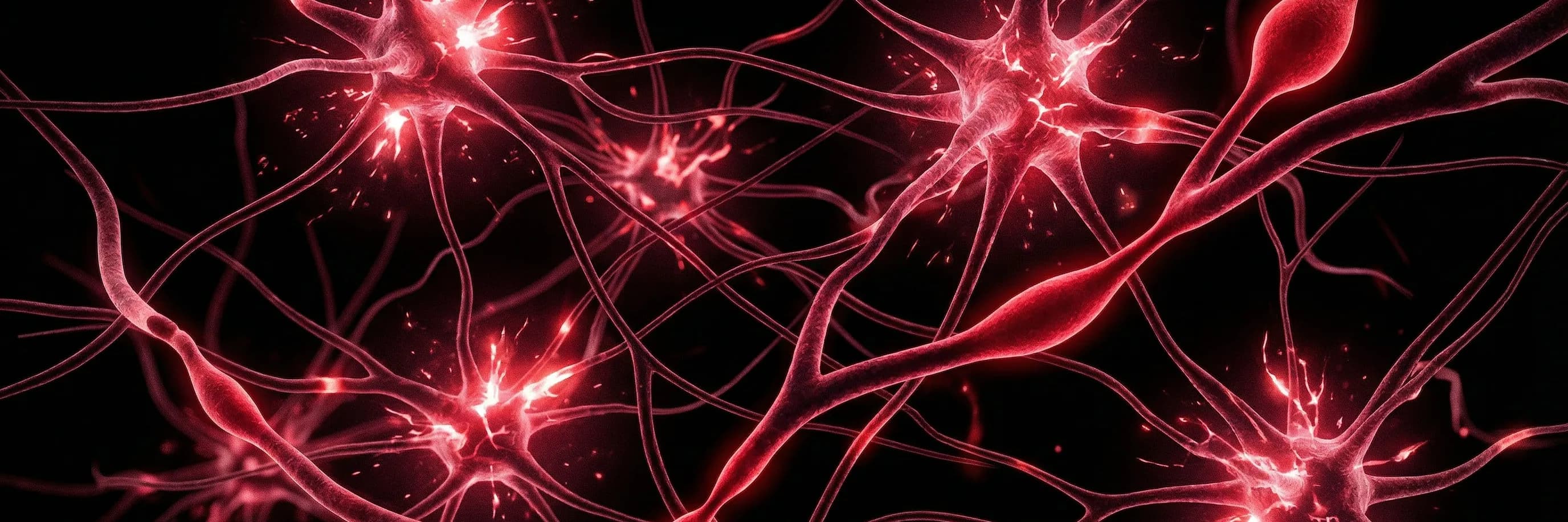
Pada jam ke-58 berhenti merokok (hari ke-3), nikotin telah sepenuhnya dibersihkan dari tubuh Anda. Metabolisme Glukosa Serebral Beradaptasi: Studi PET menunjukkan bahwa pola metabolisme glukosa serebral sedang reorganisasi seiring otak beradaptasi dengan tidak adanya nikotin. Fungsi eksekutif menunjukkan tanda-tanda awal pemulihan meskipun secara subjektif masih merasa mengalami gangguan kognitif. Ini adalah tahap normal dan terdokumentasi dari putus nikotin.
APA YANG TERJADI DALAM TUBUH ANDA
Studi PET menunjukkan bahwa pola metabolisme glukosa serebral sedang reorganisasi seiring otak beradaptasi dengan tidak adanya nikotin. Korteks prefrontal dan korteks cingulate anterior menunjukkan aktivitas metabolik yang berubah mencerminkan adaptasi kognitif. Asap rokok mengandung lebih dari 7.000 bahan kimia — nikotin yang membuat Anda kecanduan, tetapi produk sampingan pembakaran (tar, karbon monoksida, formaldehida, benzena) yang menyebabkan kerusakan fisik paling besar. Seiring nikotin dibersihkan, paparan terus-menerus terhadap racun-racun ini juga berhenti.
Pada saat ini — "Metabolisme Glukosa Serebral Beradaptasi" — tubuh Anda sepenuhnya bebas nikotin dan fokus pada pemulihan neurologis dan jaringan.
Aliran darah Anda kini bebas nikotin — kondisi yang tidak pernah dialami sejak Anda menjadi perokok rutin. Untuk seseorang yang merokok satu bungkus per hari, itu sekitar 200 dosis nikotin per hari, 7.300 per tahun, masing-masing memperkuat jalur saraf kecanduan. Semua input itu telah berhenti. Mekanisme perbaikan tubuh Anda, yang terus-menerus melawan kerusakan baru saat Anda merokok, kini dapat sepenuhnya fokus pada penyembuhan. Lebih dari 7.000 bahan kimia — karsinogen seperti benzena, formaldehida, dan akrolein — tidak lagi masuk.
Otak Anda sedang mereorganisasi cara menggunakan energi. Scan PET pada tahap ini menunjukkan bahwa pola metabolisme glukosa di korteks prefrontal dan anterior cingulate — area yang bertanggung jawab untuk pengambilan keputusan, fokus, dan kontrol diri — secara aktif merestrukturisasi. Anda mungkin merasa pikiran masih kabur, tapi inilah yang sebenarnya terjadi di bawah permukaan: fungsi eksekutif Anda sudah menunjukkan tanda-tanda awal pemulihan. Perasaan subjektif tertinggal di belakang kenyataan.
APA YANG ANDA RASAKAN
Fungsi eksekutif menunjukkan tanda-tanda awal pemulihan meskipun secara subjektif masih merasa mengalami gangguan kognitif.
Jam-jam pagi membawa beban pemicu yang berat bagi perokok — perjalanan kerja, istirahat kerja, kopi pagi. Masing-masing adalah ritual merokok. Hari ini, setiap yang Anda lalui tanpa rokok melemahkan asosiasi tersebut. Tidak terasa seperti kemajuan, tapi memang begitu.
Merokok memiliki ritual bawaan — bungkus rokok, korek api, rokok pertama dengan kopi pagi, rokok setelah makan — masing-masing adalah pemicu yang terhubung ke rutinitas harian Anda. Puluhan tahun penelitian merokok menunjukkan bahwa elemen ritual — bungkus rokok di saku, korek api di tangan, tarikan pertama di pagi hari — menciptakan ketergantungan psikologis yang berjalan paralel dengan dan independen dari kecanduan nikotin. Anda sedang melawan keduanya secara bersamaan saat ini, dan itulah yang membuat 72 jam pertama sangat intens.
Jika Anda telah merokok selama bertahun-tahun atau puluhan tahun, tubuh Anda telah mengakumulasi kerusakan yang mulai terbalik saat Anda berhenti. Setiap jam tanpa rokok adalah kemajuan yang dapat diukur. Setiap jam Anda tidak menyalakan rokok, otak Anda mencatat titik data baru: "Saya selamat dari pemicu ini tanpa rokok." Seiring waktu, titik-titik data ini terakumulasi menjadi default baru. Tapi sekarang, default lama masih keras.
APA YANG HARUS DILAKUKAN SEKARANG
Selesaikan tugas organisasi sederhana seperti menyortir laci atau mengarsipkan kertas untuk memberikan praktik terstruktur dan berisiko rendah pada korteks prefrontal yang sedang pulih.
Buang semua rokok, korek api, asbak, dan korek api. Bersihkan mobil dan rumah Anda untuk menghilangkan bau — aroma asap yang tertinggal adalah pemicu relaps yang kuat. Bau asap basi di mobil, jaket, atau ruang tamu Anda adalah pemicu. Cuci apa yang bisa dicuci, angin-anginkan yang tidak bisa. Lingkungan yang berbau bersih memberi sinyal "babak baru" pada otak Anda.
Pengganti oral: wortel mentah, batang seledri, biji bunga matahari, atau tusuk gigi kayu manis. Gerakan tangan ke mulut dan stimulasi oral mengatasi komponen ritual merokok, yang beroperasi independen dari nikotin. Mulut Anda mencari sesuatu untuk dilakukan — berikan sesuatu yang sehat.
APA YANG DIHARAPKAN JAM INI
Selama periode pagi ini di hari ke-3 berhenti merokok, gejala putus obat berada pada intensitas puncak — ini sesulit yang akan Anda alami. Tubuh Anda sepenuhnya bebas nikotin — semua gejala yang tersisa adalah adaptasi neurologis, bukan putus kimia. Selama fase Putus Akut (Hari 1-3), tubuh Anda fokus pada pembersihan nikotin dan metabolitnya. Nikotin dari rokok sedang dipecah dan dieliminasi. Setiap jam membawa kemajuan yang terukur.
PERUBAHAN TUBUH
Kadar nikotin: 0% — sepenuhnya dibersihkan dari aliran darah. Tubuh Anda mencapai pembersihan nikotin penuh pada jam ke-72.
GEJALA UMUM HARI INI
PERTANYAAN YANG SERING DIAJUKAN
Apakah normal merasakan ini 58 jam setelah berhenti merokok?
Ya. Pada jam ke-58 (hari ke-3), tubuh Anda sepenuhnya bebas nikotin dan mengalami adaptasi neurologis. Gejala yang Anda alami — yang berada pada intensitas puncak saat ini — adalah bagian terdokumentasi dari putus nikotin dan akan berlalu.
Berapa banyak nikotin yang tersisa di tubuh saya setelah 58 jam?
Setelah 58 jam tanpa merokok, sekitar 0,0% nikotin tersisa di aliran darah Anda. Tubuh Anda sekarang 100% bebas nikotin. Semua gejala yang tersisa bersifat neurologis, bukan kimia.
Dapatkan panduan jam demi jam, briefing notifikasi push, dan pelatihan audio langsung ke ponsel Anda.