HORA 57 DE 336Níveis de Metaloproteinase da Matrix em Declínio
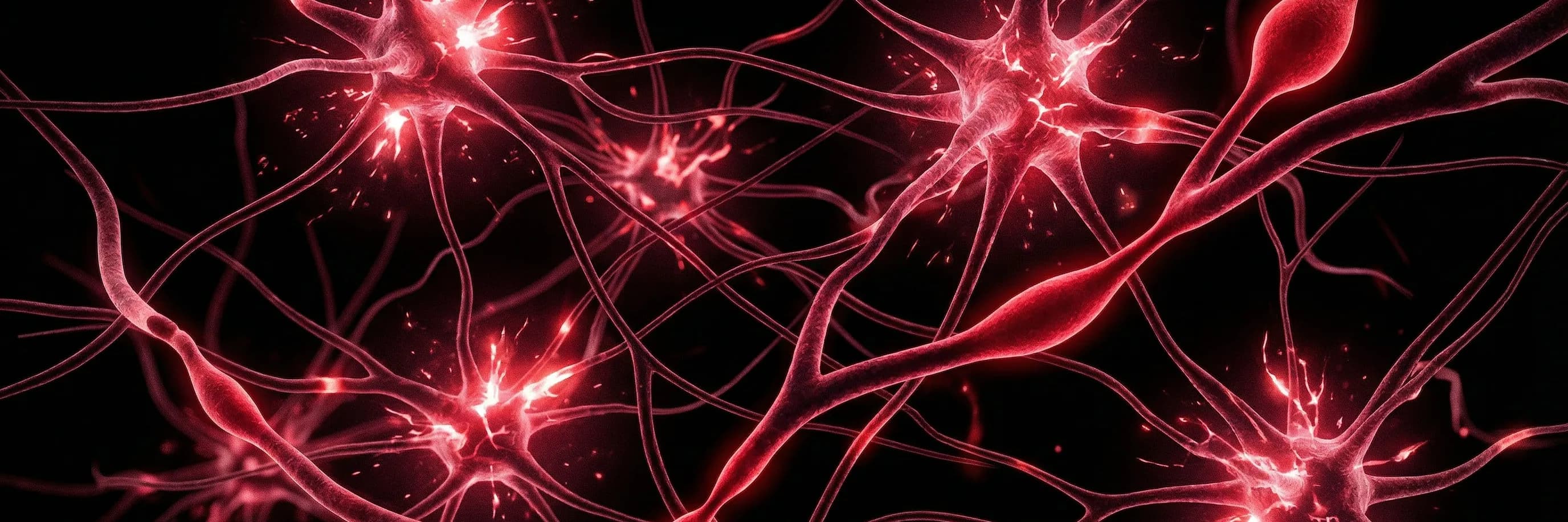
Na hora 57 de parar de fumar (dia 3), a nicotina foi completamente eliminada do seu corpo. Níveis de Metaloproteinase da Matrix em Declínio: MMP-9 e MMP-12, enzimas proteolíticas elevadas pelo tabagismo que destroem a elastina alveolar e contribuem para alterações enfisematosas, estão diminuindo. A raiva pode ressurgir em uma segunda onda, muitas vezes mais focada e direcionada a pessoas ou situações específicas do que a raiva difusa da hora 48. Este é um estágio normal e documentado da abstinência do tabaco.
O QUE ESTÁ ACONTECENDO NO SEU CORPO
MMP-9 e MMP-12, enzimas proteolíticas elevadas pelo tabagismo que destroem a elastina alveolar e contribuem para alterações enfisematosas, estão diminuindo. O equilíbrio entre destruição e reparação tecidual começa a se deslocar em direção ao reparo. A fumaça do cigarro contém mais de 7.000 substâncias químicas — a nicotina é o que te vicia, mas os subprodutos da combustão (alcatrão, monóxido de carbono, formaldeído, benzeno) são o que causam mais danos físicos. Conforme a nicotina é eliminada, também para a exposição constante a essas toxinas.
Neste momento — "Níveis de Metaloproteinase da Matrix em Declínio" — seu corpo está completamente livre de nicotina e focado na recuperação neurológica e tecidual.
Sua corrente sanguínea agora está livre de nicotina — um estado que não existia desde que você se tornou fumante regular. Para alguém que fumava um maço por dia, isso representa cerca de 200 doses de nicotina por dia, 7.300 por ano, cada uma reforçando as vias neurais do vício. Todo esse input parou. Os mecanismos de reparo do seu corpo, que constantemente lutavam contra novos danos enquanto você fumava, agora podem se concentrar inteiramente na cura. As mais de 7.000 substâncias químicas — carcinógenos como benzeno, formaldeído e acroleína — não estão mais sendo entregues.
Faça uma pausa e perceba seu corpo por um momento. Compare como você se sente agora com como se sentia na hora trinta e seis. Para a maioria das pessoas, a intensidade física diminuiu visivelmente neste ponto. As dores de cabeça podem estar menos intensas.
COMO VOCÊ ESTÁ SE SENTINDO
A raiva pode ressurgir em uma segunda onda, muitas vezes mais focada e direcionada a pessoas ou situações específicas do que a raiva difusa da hora 48.
As horas da manhã carregam uma carga pesada de gatilhos para fumantes — o trajeto para o trabalho, a pausa, o café da manhã. Cada um desses era um ritual de fumo. Hoje, cada um que você passa sem um cigarro enfraquece a associação. Não parece progresso, mas é.
Fumar tem rituais incorporados — o maço, o isqueiro, o primeiro cigarro com o café da manhã, o cigarro pós-refeição — cada um é um gatilho conectado à sua rotina diária. Décadas de pesquisa sobre tabagismo mostram que os elementos rituais — o maço no bolso, o isqueiro na mão, a primeira tragada da manhã — criam dependência psicológica que corre paralela e independente do vício em nicotina. Você está lutando contra ambos simultaneamente agora, e é isso que torna as primeiras 72 horas tão intensas.
Se você fumou por anos ou décadas, seu corpo acumulou danos que começam a se reverter no momento em que você para. Cada hora sem cigarro é progresso mensurável. Cada hora que você não acende um, seu cérebro está registrando um novo ponto de dados: "Sobrevivi a esse gatilho sem cigarro." Com o tempo, esses pontos de dados se acumulam em um novo padrão. Mas agora, o padrão antigo está alto.
O QUE FAZER AGORA
Canalize a raiva em atividade física de alta intensidade: faça quantas flexões conseguir, descanse 60 segundos e repita três vezes.
Quebre a cadeia ritual: Se seu gatilho agora é dirigir, especialmente trajetos longos onde fumar era rotina, tenha um comportamento substituto pronto antes do momento chegar. Troque café por chá, sente-se em outro ambiente, faça sua pausa em um lugar novo. Esperar até o desejo bater para decidir o que fazer é tarde demais.
Exercício é a melhor intervenção para desejos. Mesmo 5 minutos de caminhada rápida reduz a intensidade do desejo em 25-40% (medido em estudos clínicos). Funciona porque o exercício desencadeia liberação de endorfina que compensa parcialmente o déficit de dopamina deixado pela abstinência de nicotina.
O QUE ESPERAR NESTA HORA
Durante esta manhã no dia 3 de parar de fumar, os sintomas de abstinência estão na intensidade máxima — é o mais difícil que fica. Seu corpo está completamente livre de nicotina — todos os sintomas restantes são adaptação neurológica, não abstinência química. Durante a fase de Abstinência Aguda (Dias 1-3), seu corpo está focado em eliminar nicotina e seus metabólitos. A nicotina dos cigarros está sendo quebrada e eliminada. Cada hora traz progresso mensurável.
MUDANÇAS NO CORPO
Nível de nicotina: 0% — completamente eliminada da sua corrente sanguínea. Seu corpo alcançou eliminação completa da nicotina na hora 72.
SINTOMAS COMUNS HOJE
PERGUNTAS FREQUENTES
É normal me sentir assim 57 horas depois de parar de fumar?
Sim. Na hora 57 (dia 3), seu corpo está completamente livre de nicotina e passando por adaptação neurológica. Os sintomas que você está experimentando — que estão na intensidade máxima agora — são uma parte documentada da abstinência de nicotina e vão passar.
Quanta nicotina resta no meu corpo após 57 horas?
Após 57 horas sem fumar, aproximadamente 0,0% de nicotina permanece na sua corrente sanguínea. Seu corpo agora está 100% livre de nicotina. Todos os sintomas restantes são neurológicos, não químicos.
Receba orientação hora a hora, briefings por notificação push e coaching de áudio direto no seu celular.