HOUR 69 OF 336Mood Chemistry Finding Baseline
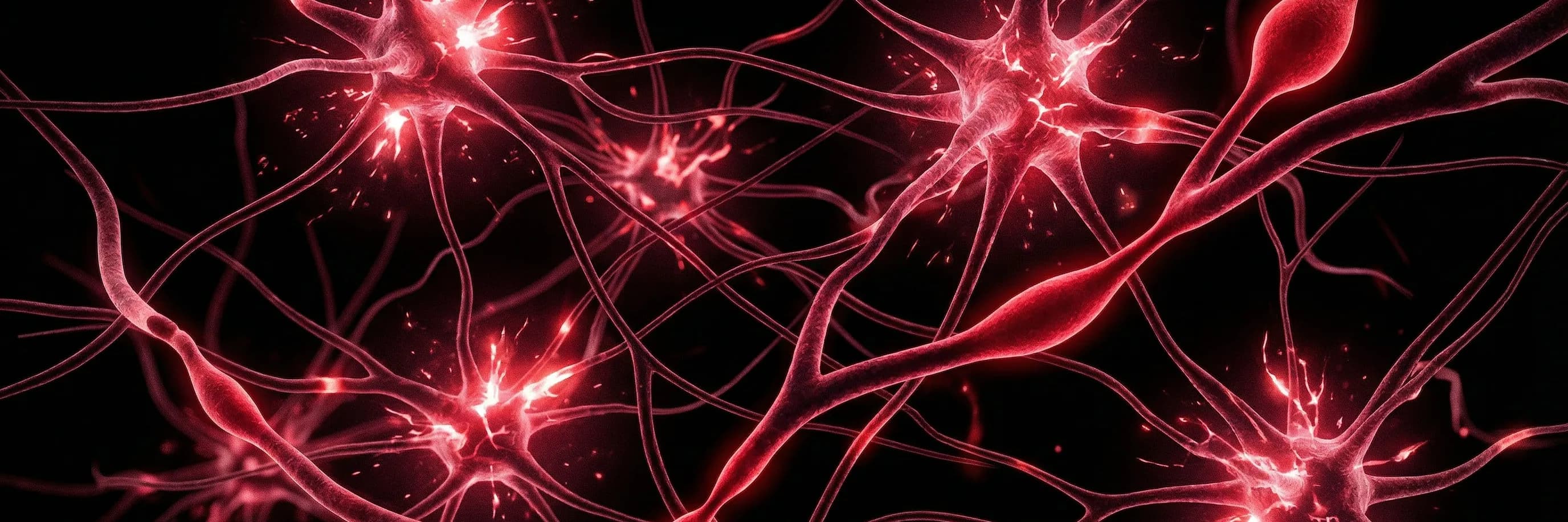
At hour 69 of quitting smoking (day 3), nicotine has been completely cleared from your body. Mood Chemistry Finding Baseline: serotonin synthesis and receptor sensitivity in the dorsal raphe nucleus are stabilizing as nicotine's interference with tryptophan hydroxylase resolves. Mood swings begin narrowing from their peak and reactions get more proportionate. This is a normal and documented stage of quitting cigarettes.
WHAT'S HAPPENING IN YOUR BODY
Serotonin synthesis and receptor sensitivity in the dorsal raphe nucleus are stabilizing as nicotine's modulatory effect on tryptophan hydroxylase resolves. Mood regulation circuitry is beginning to establish non-nicotine homeostasis. Cigarette smoke contains over 7,000 chemicals — the nicotine is what hooks you, but the combustion byproducts (tar, carbon monoxide, formaldehyde, benzene) are what cause the most physical damage. As nicotine clears, so does the constant exposure to these toxins.
At this moment — "Serotonergic Tone Stabilizing" — your body is completely nicotine-free and focused on neurological and tissue recovery.
Your bloodstream is now nicotine-free — a state it hasn't been in since you became a regular smoker. For someone who smoked a pack a day, that's roughly 200 doses of nicotine per day, 7,300 per year, each one reinforcing the neural pathways of addiction. All of that input has stopped. Your body's repair mechanisms, which were constantly fighting new damage while you smoked, can now focus entirely on healing. The 7,000+ chemicals — carcinogens like benzene, formaldehyde, and acrolein — are no longer being delivered.
Your mood regulation system is stabilizing. Serotonin — the neurotransmitter most associated with emotional balance — was being artificially modulated by nicotine. Specifically, nicotine altered the enzyme that produces serotonin in your brain stem. That interference is resolving now, and your brain is establishing a new serotonin baseline without chemical input.
HOW YOU'RE FEELING
Mood variability begins to decrease from its peak, with emotional responses becoming slightly more proportionate.
Evening carries powerful associations for smokers — the wind-down smoke, the after-dinner cigarette, the nightcap on the porch. These are comfort rituals, not just nicotine delivery. Replacing them requires not just avoiding the cigarette but actively creating a new wind-down routine. A warm drink, light stretching, or reading can signal "day is ending" to your brain without the smoke.
Smoking has built-in rituals — the pack, the lighter, the first cigarette with morning coffee, the post-meal smoke — each one a trigger wired into your daily routine. Decades of smoking research show that the ritual elements — the pack in your pocket, the lighter in your hand, the first inhale of the morning — create psychological dependency that runs parallel to and independent of nicotine addiction. You're fighting both simultaneously right now, and that's what makes the first 72 hours so intense.
If you've smoked for years or decades, your body has accumulated damage that begins reversing the moment you stop. Every hour without a cigarette is measurable progress. Every hour you don't light up, your brain is recording a new data point: "I survived this trigger without a cigarette." Over time, these data points accumulate into a new default. But right now, the old default is loud.
WHAT TO DO RIGHT NOW
Eat a small serving of turkey or cottage cheese with a complex carbohydrate to provide tryptophan and support endogenous serotonin synthesis.
Oral substitutes: raw carrots, celery sticks, sunflower seeds, or cinnamon toothpicks. The hand-to-mouth motion and oral stimulation address the ritual component of smoking, which operates independently of nicotine. Your mouth is looking for something to do — give it something healthy.
When the craving hits — like socializing with friends who smoke, especially with alcohol — use the 4-7-8 breathing technique: inhale 4 seconds, hold 7, exhale 8. The extended exhale activates your parasympathetic nervous system and lowers the cortisol spike driving the craving. It will pass in 90 seconds.
WHAT TO EXPECT THIS HOUR
As the evening progresses on day 3 of quitting smoking, withdrawal is at peak intensity — this is as hard as it gets, but the emotional swings are starting to narrow. Your brain is building mood regulation that does not depend on a cigarette every hour. Evenings are when the social smoking cue bites hardest — a drink, a friend heading outside. Plan your exit before you go.
BODY CHANGES
Nicotine level: 0% — cleared from your bloodstream. Your body achieved full nicotine clearance at hour 72. Mood-regulating chemistry that cigarettes had been modulating for years is establishing its own baseline without chemical input.
COMMON SYMPTOMS TODAY
FREQUENTLY ASKED QUESTIONS
Is it normal to feel this way 69 hours after quitting smoking?
Yes. At hour 69 (day 3), your body is completely free of nicotine and stabilizing. Emotional volatility is documented at peak withdrawal, and this is roughly where it starts to shrink rather than grow.
How much nicotine is left in my body after 69 hours?
After 69 hours without a cigarette, approximately 0.0% of nicotine remains in your bloodstream. Your body is now 100% nicotine-free. All remaining symptoms are neurological, not chemical.
Will I stop feeling so emotionally volatile after quitting smoking?
Yes. Nicotine was modulating serotonin production in your brain stem, and removing it leaves mood regulation temporarily unsteady. Stabilization begins in this window, and receptor recalibration approaches non-smoker baseline by day 14. The swings shrink well before then.
Get hour-by-hour guidance, push notification briefings, and audio coaching delivered to your phone.