GIỜ 61 TRONG TỔNG SỐ 336Immunoglobulin A Niêm Mạc Đang Hồi Phục
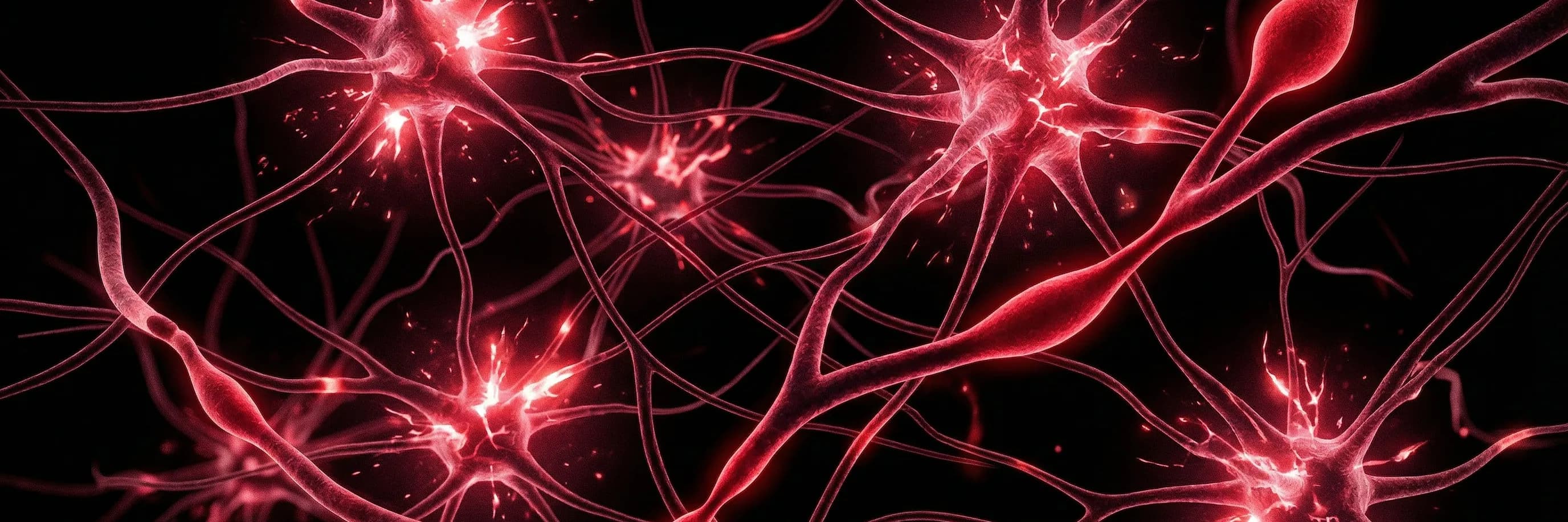
Tại giờ 61 bỏ thuốc lá (ngày 3), nicotine đã được thanh lọc hoàn toàn khỏi cơ thể bạn. Immunoglobulin A Niêm Mạc Đang Hồi Phục: Mức độ secretory IgA trong nước bọt và dịch tiết phế quản, bị giảm do tiếp xúc mãn tính với khói thuốc, đang bắt đầu hồi phục. Sự kiệt sức thể chất và cảm xúc hợp lại, tạo ra trạng thái tê liệt, thờ ơ có thể bị nhầm lẫn với trầm cảm. Đây là giai đoạn bình thường và được ghi nhận trong cai thuốc lá.
ĐIỀU GÌ ĐANG DIỄN RA TRONG CƠ THỂ BẠN
Mức độ secretory IgA trong nước bọt và dịch tiết phế quản, bị giảm do tiếp xúc mãn tính với khói thuốc, đang bắt đầu hồi phục. Kháng thể niêm mạc này cung cấp tuyến phòng thủ đầu tiên quan trọng chống lại các tác nhân gây bệnh đường hô hấp tại bề mặt biểu mô. Khói thuốc lá chứa hơn 7.000 hóa chất — nicotine là thứ khiến bạn nghiện, nhưng các sản phẩm phụ từ quá trình đốt cháy (nhựa đường, carbon monoxide, formaldehyde, benzene) mới là nguyên nhân gây tổn thương thể chất nghiêm trọng nhất. Khi nicotine được thanh lọc, việc tiếp xúc liên tục với các độc tố này cũng chấm dứt.
Tại thời điểm này — "Immunoglobulin A Niêm Mạc Đang Hồi Phục" — cơ thể bạn đã hoàn toàn sạch nicotine và tập trung vào phục hồi thần kinh và mô.
Dòng máu của bạn hiện đã sạch nicotine — trạng thái mà nó chưa từng có kể từ khi bạn trở thành người hút thuốc thường xuyên. Với người hút một gói thuốc mỗi ngày, đó là khoảng 200 liều nicotine mỗi ngày, 7.300 liều mỗi năm, mỗi liều đều củng cố các đường dẫn thần kinh của sự nghiện. Tất cả nguồn cung đó đã ngừng. Cơ chế sửa chữa của cơ thể, vốn liên tục chống lại tổn thương mới khi bạn hút thuốc, giờ có thể tập trung hoàn toàn vào quá trình chữa lành. Hơn 7.000 hóa chất — các chất gây ung thư như benzene, formaldehyde, và acrolein — không còn được đưa vào nữa.
Tuyến phòng thủ đầu tiên của cơ thể chống lại nhiễm trùng đường hô hấp đang được tái tạo. Secretory IgA — một kháng thể bao phủ niêm mạc đường thở và miệng — đã bị ức chế do tiếp xúc mãn tính với khói thuốc. Nó đang hồi phục ngay bây giờ, tăng cường rào cản giữa bạn và mọi cảm lạnh, cúm và nhiễm trùng mà bạn hít phải. Có thể bạn cảm thấy kiệt sức.
CẢM GIÁC CỦA BẠN
Sự kiệt sức thể chất và cảm xúc hợp lại, tạo ra trạng thái tê liệt, thờ ơ có thể bị nhầm lẫn với trầm cảm.
Buổi chiều thường là lúc người hút thuốc trải nghiệm "điếu thuốc thưởng" — một điếu sau bữa trưa, giải lao giữa ngày làm việc, một khoảnh khắc thư giãn. Cơn thèm bạn cảm thấy không phải đói hay chán nản; đó là hệ thống khen thưởng trong não yêu cầu nguồn cung theo lịch trình. Hãy cho nó thứ gì khác: đi bộ, trò chuyện, một miếng trái cây.
Hút thuốc có những nghi thức cố định — gói thuốc, bật lửa, điếu thuốc đầu tiên với cà phê buổi sáng, điếu sau bữa ăn — mỗi thứ là một kích hoạt được nối vào thói quen hàng ngày của bạn. Hàng thập kỷ nghiên cứu về thuốc lá cho thấy các yếu tố nghi thức — gói thuốc trong túi, bật lửa trong tay, hơi hít đầu tiên vào buổi sáng — tạo ra sự phụ thuộc tâm lý song song và độc lập với nghiện nicotine. Bạn đang chiến đấu với cả hai cùng lúc ngay bây giờ, và đó là điều làm cho 72 giờ đầu trở nên căng thẳng như vậy.
Nếu bạn đã hút thuốc nhiều năm hoặc thập kỷ, cơ thể bạn đã tích lũy tổn thương và bắt đầu đảo ngược ngay khi bạn ngừng. Mỗi giờ không hút thuốc là tiến bộ có thể đo lường được. Mỗi giờ bạn không châm lửa, não bạn đang ghi lại một điểm dữ liệu mới: "Tôi đã vượt qua kích hoạt này mà không cần thuốc lá." Theo thời gian, các điểm dữ liệu này tích lũy thành một mặc định mới. Nhưng ngay bây giờ, mặc định cũ đang rất ồn ào.
VIỆC CẦN LÀM NGAY LÚC NÀY
Tắm nước ấm hoặc tắm vòi hoa sen trong 15 phút; ngâm mình trong nước ấm làm giảm cortisol và kích thích hoạt động của hệ thần kinh phó giao cảm.
Các thay thế bằng miệng: cà rốt sống, cần tây, hạt hướng dương, hoặc tăm quế. Chuyển động từ tay đến miệng và kích thích miệng giải quyết thành phần nghi thức của việc hút thuốc, hoạt động độc lập với nicotine. Miệng bạn đang tìm việc gì đó để làm — hãy cho nó thứ gì đó tốt cho sức khỏe.
Khi cơn thèm tấn công — như kết thúc bữa ăn và với tay lấy gói thuốc không còn đó — sử dụng kỹ thuật thở 4-7-8: hít vào 4 giây, nзадержать 7, thở ra 8. Việc thở ra kéo dài kích hoạt hệ thần kinh phó giao cảm và làm giảm đột biến cortisol gây ra cơn thèm. Nó sẽ qua trong 90 giây.
ĐIỀU MONG ĐỢI TRONG GIỜ NÀY
Chiều nay vào ngày 3 bỏ thuốc lá, các triệu chứng cai thuốc đang ở cường độ đỉnh cao — đây là lúc khó khăn nhất. Cơ thể bạn đã hoàn toàn sạch nicotine — tất cả triệu chứng còn lại là thích ứng thần kinh, không phải cai hóa chất. Trong giai đoạn Cai Cấp (Ngày 1-3), cơ thể bạn tập trung vào thanh lọc nicotine và các chất chuyển hóa của nó. Nicotine từ thuốc lá đang được phân hủy và loại bỏ. Mỗi giờ đều mang lại tiến bộ có thể đo lường được.
THAY ĐỔI CƠ THỂ
Mức nicotine: 0% — đã được thanh lọc hoàn toàn khỏi dòng máu. Cơ thể bạn đã đạt được việc thanh lọc nicotine hoàn toàn tại giờ 72.
TRIỆU CHỨNG THƯỜNG GẶP HÔM NAY
CÂU HỎI THƯỜNG GẶP
Có bình thường khi cảm thấy như vậy sau 61 giờ bỏ thuốc lá không?
Có. Tại giờ 61 (ngày 3), cơ thể bạn đã hoàn toàn sạch nicotine và đang trải qua thích ứng thần kinh. Các triệu chứng bạn đang trải nghiệm — hiện đang ở cường độ đỉnh cao — là một phần được ghi nhận của cai nicotine và chúng sẽ qua đi.
Còn bao nhiêu nicotine trong cơ thể tôi sau 61 giờ?
Sau 61 giờ không hút thuốc, khoảng 0.0% nicotine còn lại trong dòng máu của bạn. Cơ thể bạn hiện đã 100% sạch nicotine. Tất cả triệu chứng còn lại là do thần kinh, không phải hóa chất.
Nhận hướng dẫn từng giờ, thông báo định kỳ và tư vấn audio được gửi thẳng đến điện thoại của bạn.