สมองหมอกหยำและสมาธิ หลังเลิกบุหรี่ไฟฟ้า
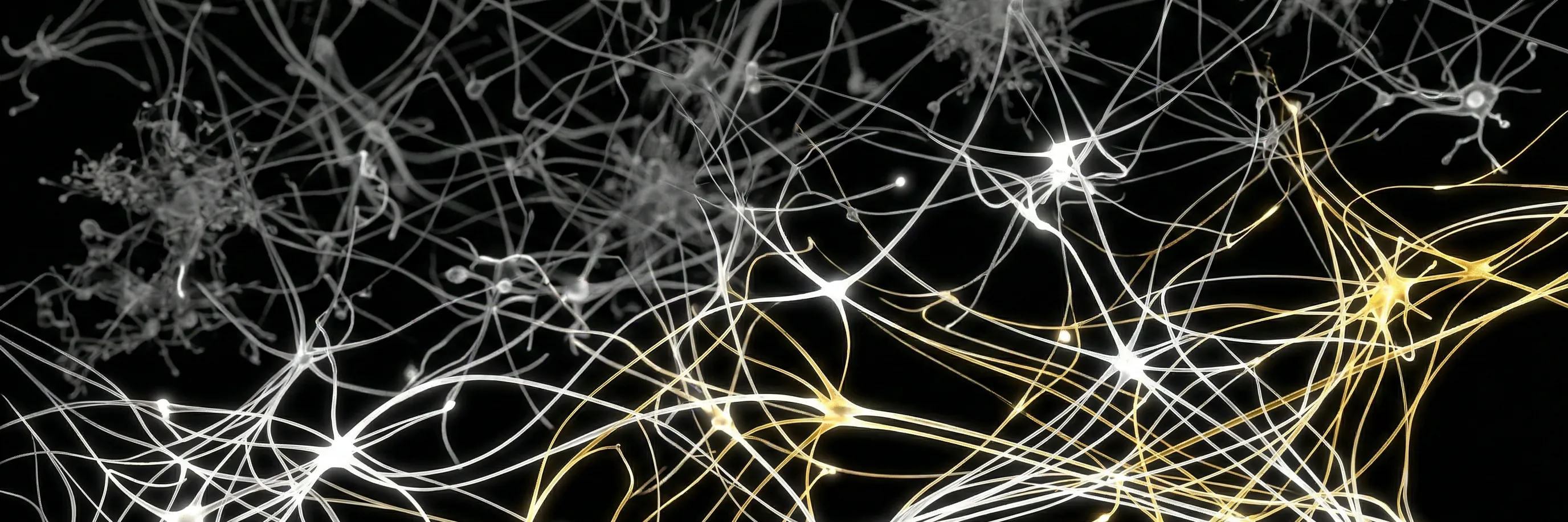
ภาวะสมองหมอกหยำและสมาธิสั้นลงหลังเลิกสูบบุหรี่ไฟฟ้ามักเริ่มภายใน 12-24 ชั่วโมง และรุนแรงที่สุดในวันที่ 1-3 สมองส่วนหน้า (prefrontal cortex) ของคุณ — บริเวณที่รับผิดชอบสมาธิ การตัดสินใจ และความจำใช้งาน — เคยถูกเสริมประสิทธิภาพแบบเทียมจากการที่นิโคตินกระตุ้นตัวรับอะเซทิลโคลีน เมื่อไม่มีนิโคติน สมองต้องสร้างการผลิตอะเซทิลโคลีนของตัวเองขึ้นใหม่ การทำงานของสมองเริ่มฟื้นตัวเมื่อถึงวันที่ 5 และมักกลับสู่ปกติเมื่อถึงวันที่ 14
สมองหมอกหยำเป็นหนึ่งในอาการที่น่าหงุดหงิดที่สุดของการขาดบุหรี่ไฟฟ้า เพราะมันกระทบความสามารถในการทำงาน เรียน และตัดสินใจ — รวมถึงการตัดสินใจที่จะไม่กลับไปสูบ การเข้าใจว่าทำไมมันเกิดขึ้นทำให้ทนได้ง่ายขึ้น: สมองของคุณไม่ได้แย่ลง แต่กำลังเปลี่ยนผ่านจากการถูกเสริมประสิทธิภาพแบบเทียมไปสู่การทำงานตามธรรมชาติ
เริ่มเมื่อไหร่
ความยากลำบากทางความคิดเริ่มขึ้นเมื่อระดับนิโคตินลดต่ำกว่าเกณฑ์ที่จำเป็นต่อการกระตุ้นตัวรับอะเซทิลโคลีนในสมองส่วนหน้า โดยทั่วไปภายใน 12-24 ชั่วโมง งานที่เคยง่ายตอนยังสูบบุหรี่ไฟฟ้า — อ่าน เขียน คำนวณ จดจ่อต่อเนื่อง — อาจรู้สึกยากขึ้นทันที ไม่ใช่เพราะนิโคตินทำให้คุณฉลาดขึ้น แต่เพราะสมองของคุณมาพึ่งพานิโคตินจากภายนอกเพื่อให้สัญญาณอะเซทิลโคลีนทำงานตามปกติ
รุนแรงที่สุดเมื่อไหร่
สมองหมอกหยำรุนแรงที่สุดในวันที่ 1-3 ซึ่งตรงกับช่วงที่ตัวรับขาดนิโคตินมากที่สุด ความจำใช้งาน สมาธิต่อเนื่อง และความเร็วในการประมวลผลได้รับผลกระทบมากที่สุด หลายคนบรรยายว่า 'เหมือนคิดผ่านสำลี' หรือ 'จับความคิดไว้ไม่อยู่' เมื่อถึงวันที่ 4-5 หมอกจะเริ่มจางลงเมื่อสมองเร่งผลิตอะเซทิลโคลีนของตัวเอง
หายเมื่อไหร่
การทำงานของสมองดีขึ้นอย่างเห็นได้ชัดเมื่อถึงวันที่ 5-7 และมักกลับมาเต็มความสามารถหรือใกล้เคียงเมื่อถึงวันที่ 14 ระบบโคลิเนอร์จิก (วิถีการผลิตอะเซทิลโคลีน) ของคุณเป็นอิสระจากนิโคตินภายนอกในช่วงนี้ หลายคนรายงานว่าการทำงานของสมองในวันที่ 14 ดีกว่าตอนที่ยังสูบบุหรี่ไฟฟ้าเสียอีก — ชัดเจนขึ้น ต่อเนื่องขึ้น และไม่ต้องรอการสูบครั้งต่อไป
ทำไมถึงเกิดขึ้น
นิโคตินเป็นสารกระตุ้นตัวรับอะเซทิลโคลีนที่มีฤทธิ์แรง ในสมองส่วนหน้าของคุณ มันเสริมการทำงานทางความคิดด้วยการกระตุ้นระบบโคลิเนอร์จิกแบบเทียม เมื่อคุณเลิก ตัวรับเหล่านั้นก็ขาดสารกระตุ้นทันที สมองของคุณต้องเพิ่มการผลิตอะเซทิลโคลีนของตัวเอง — กระบวนการที่ใช้เวลาหลายวัน ระหว่างช่วงเปลี่ยนผ่านนี้ สมองส่วนหน้าทำงานต่ำกว่าความสามารถปกติ ทำให้เกิดประสบการณ์ที่รู้สึกได้ว่าเป็นสมองหมอกหยำ
ต้องทำอย่างไร
กินอาหารที่มีโปรตีนสูง — สมองต้องการกลูโคสและกรดอะมิโนเพื่อผลิตสารสื่อประสาท อย่าอดมื้ออาหารในช่วงขาดนิโคติน น้ำตาลในเลือดที่ตกจะขยายความบกพร่องทางความคิดให้แย่ลง แบ่งงานที่ซับซ้อนเป็นขั้นตอนย่อยๆ ใช้รายการที่เขียนไว้แทนการพึ่งความจำใช้งาน จัดงานที่ต้องใช้ความคิดหนักไว้ในช่วงเวลาที่คุณดีที่สุด (มักเป็นช่วงสายๆ หลังคอร์ติซอลขึ้นสูงสุดตอนเช้า) การออกกำลังกายช่วยให้การทำงานของสมองดีขึ้นทันที — แม้แค่เดิน 10 นาทีก็ช่วยให้หมอกจางลงชั่วคราวได้ ยอมรับว่าประสิทธิภาพจะลดลงในวันที่ 1-5 และอย่าตีความว่ามันถาวร
ชั่วโมงที่อาการนี้ปรากฏ
คำถามที่พบบ่อย
สมองหมอกหยำหลังเลิกสูบบุหรี่ไฟฟ้านานแค่ไหน?
สมองหมอกหยำรุนแรงที่สุดในวันที่ 1-3 เริ่มจางลงราววันที่ 5 และมักหายไปเมื่อถึงวันที่ 14 ไทม์ไลน์นี้สอดคล้องกับการที่ระบบโคลิเนอร์จิกของสมองสร้างความสามารถในการผลิตอะเซทิลโคลีนของตัวเองขึ้นใหม่ หลังจากพึ่งพานิโคตินเป็นสารกระตุ้นจากภายนอกมาหลายเดือนหรือหลายปี
การทำงานของสมองจะกลับมาเป็นปกติไหม?
กลับมา — และสำหรับหลายคน มันดีกว่าปกติเสียอีก การสูบบุหรี่ไฟฟ้าสร้างวงจรความคิดแบบขึ้นๆ ลงๆ: คมชัดหลังสูบ แล้วมัวก่อนสูบครั้งต่อไป เมื่อไม่มีนิโคติน การทำงานของสมองจะคงที่ในระดับสม่ำเสมอโดยไม่มียอดและหุบ เมื่อถึงวันที่ 14 คนส่วนใหญ่รายงานว่ามีสมาธิที่ชัดเจนและต่อเนื่องมากขึ้น
มีอะไรช่วยเรื่องสมองหมอกหยำระหว่างการขาดนิโคตินได้บ้าง?
กาแฟ (ในปริมาณพอเหมาะ — อย่าเกินที่ดื่มปกติ) ให้การกระตุ้นตัวรับอะเซทิลโคลีนได้บ้าง กรดไขมันโอเมกา-3 ช่วยพยุงสุขภาพเซลล์ประสาท ดื่มน้ำให้เพียงพอ วิธีที่ได้ผลที่สุดคือการออกกำลังกาย: คาร์ดิโอระดับปานกลาง 10-30 นาที ช่วยให้การทำงานของสมองดีขึ้นทันที ผ่านการเพิ่มการไหลเวียนเลือดในสมองและการหลั่งสารสื่อประสาท
รับคำแนะนำทุกชั่วโมง การแจ้งเตือนสรุป และการโค้ชเสียงที่ส่งตรงถึงโทรศัพท์ของคุณ