DAY 2 OF 14Acute Withdrawal
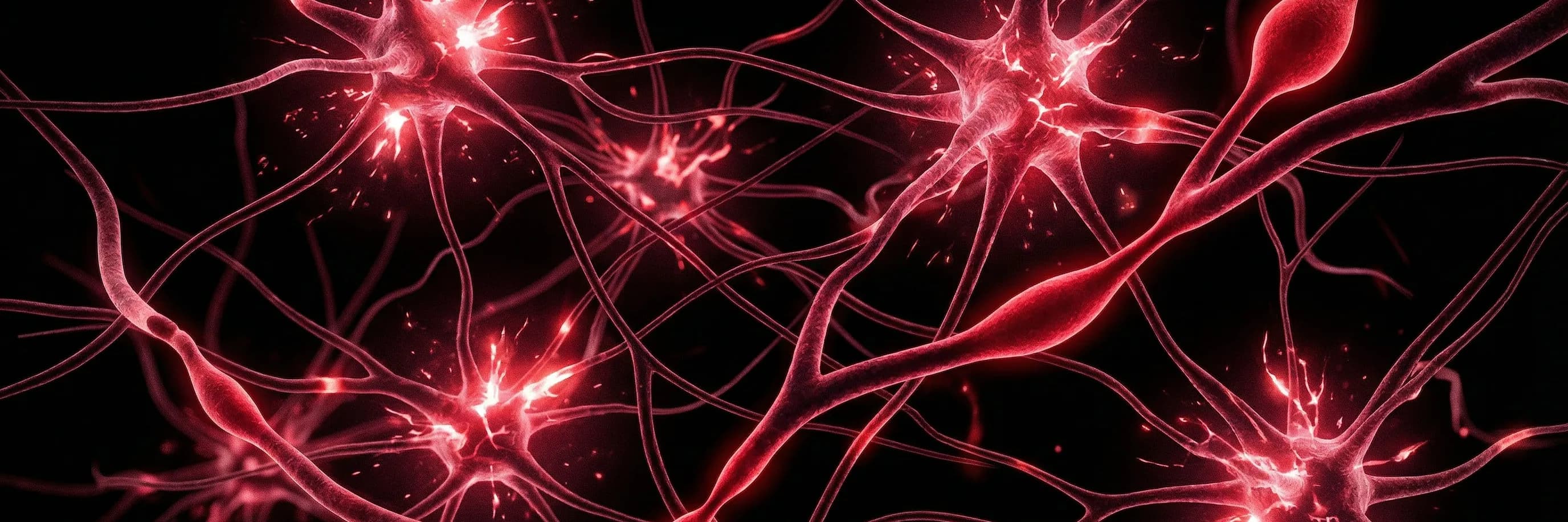
Day 2 of quitting vaping is usually harder than day 1. Nicotine has been below test detection since around hour 16, so the brain's surplus nicotine receptors are going unfilled, and symptoms climb toward their peak from about hour 36. Expect stronger cravings, a short temper, poor sleep, low energy and foggy thinking. Your airways are starting to clear, which can bring a looser cough.
What is happening in your body today
Day 2 covers hours 25 to 48. Nicotine is effectively gone; what remains is cotinine, which your liver and kidneys keep clearing. The change is in your brain. With no nicotine arriving, the extra receptors it built send a steady signal that something is missing, while dopamine and stress-hormone signaling are out of balance. That is why mood and focus suffer most around now.
From roughly hour 36 the intensity rises again, and the late evening of day 2 into day 3 is, for many people, the hardest stretch of the whole quit. A short, out-of-proportion anger around hour 48 is common enough to have a name, cessation anger. It is chemical, it passes, and it is worth warning the people around you about.
Real repair is happening underneath. Blood is becoming less sticky, nerve endings in the nose and mouth are recovering so smells and flavors may seem sharper, and the cilia — tiny hairs that sweep mucus out of your airways — are waking up. Some people notice more mucus or a looser cough from today.
What you will probably feel
- Irritability and anger. Often the defining symptom of day 2, building toward hour 48. Small frustrations can feel huge for a few minutes, then subside.
- Stronger cravings. Cues hit harder now that your body has no nicotine left. Each episode is intense but still rises and falls within minutes.
- Fatigue and fog. Your brain is running without its usual stimulant, so energy is low and decisions feel heavier than they should.
- A rough second night. Trouble falling asleep, waking in the small hours, sweats or restless legs are all common on night two.
What helps today
- Lower today's demands. Postpone big decisions and difficult conversations where you can. Today is about getting through, not performing.
- Move when anger spikes. A brisk five-minute walk, stairs or push-ups burns off the surge faster than trying to sit still with it.
- Eat every few hours. Protein-rich snacks keep blood sugar steady, which helps both mood and concentration while your brain recalibrates.
- Set up night two. No caffeine after midday, screens off early, a cool dark room. If you wake, breathe slowly instead of reaching for your phone.
DAY 2 · WATCH
Day 2 Quitting Cold Turkey: Your Brain's Receptor Crisis (Hour-by-Hour)
MILESTONES TODAY
COMMON SYMPTOMS TODAY
24 AUDIO BRIEFINGS TODAY
Hours with audio: H25H26H27H28H29H30H31H32H33H34H35H36H37H38H39H40H41H42H43H44H45H46H47H48
ALL 24 HOURS
FREQUENTLY ASKED QUESTIONS
When does vape withdrawal peak?
For most people, between about hour 36 and hour 72: the second half of day 2 and all of day 3. That is when your brain has gone longest without nicotine relative to what it was used to. After hour 72 the physical intensity usually eases, while cue-driven cravings decline more slowly through the following week.
Why is day 2 harder than day 1?
For the first half of day 1 there was still some nicotine in your blood, and the decision to quit carried its own momentum. By day 2 nicotine has been gone for hours, your receptors are fully unoccupied, sleep may have been poor, and the novelty has worn off. Together that makes day 2 feel heavier, even though nothing is going wrong.
Is it dangerous to stop vaping suddenly?
For most people, no. Nicotine withdrawal is unpleasant but not physically dangerous the way withdrawal from alcohol or some sedatives can be. The irritability, poor sleep and cravings are temporary. If you have a heart or lung condition or a mental health condition, tell your doctor you have stopped so they can keep an eye on you.
Why can't I sleep after quitting vaping?
Nicotine affects the systems that set your sleep rhythm and suppresses dream sleep. When it stops, nights two to five are often the most disrupted, and unusually vivid dreams typically start around night three. Sleep usually improves through the second week. A regular bedtime, no caffeine after midday and morning daylight all help.
Get hour-by-hour guidance, push notification briefings, and audio coaching delivered to your phone.

