336 में से घंटा 31डोपामाइन रिसेप्टर संवेदनशीलता में परिवर्तन
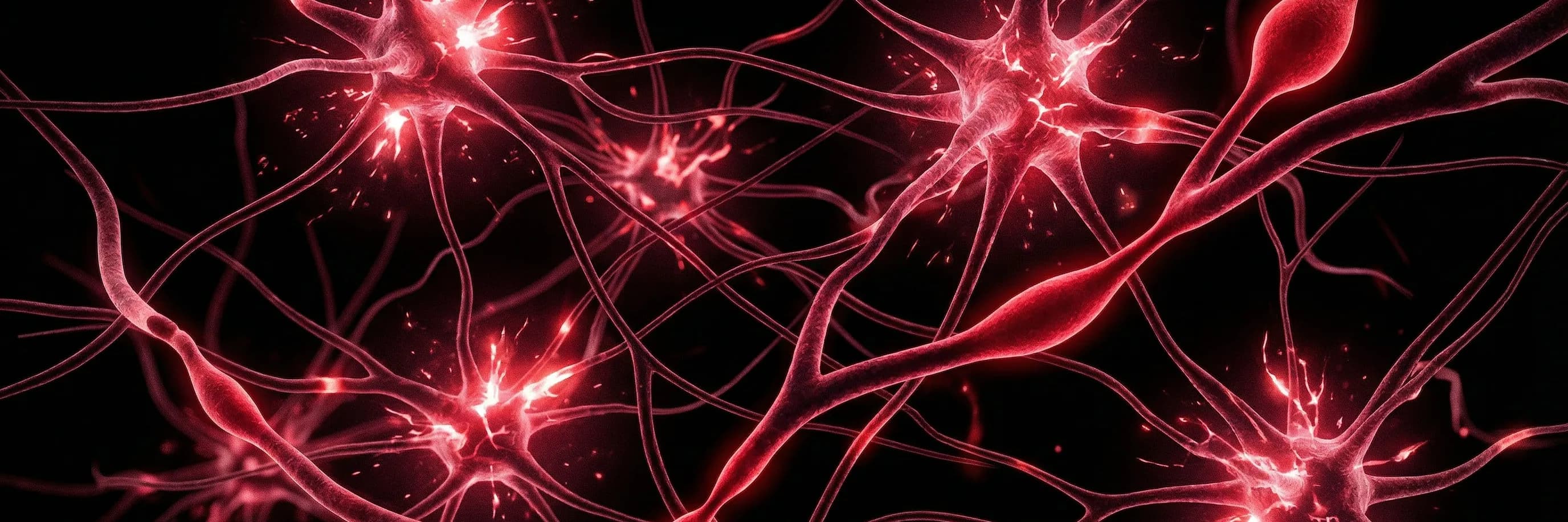
वेपिंग छोड़ने के 31वें घंटे में (दिन 2), आपके शरीर से निकोटीन पूरी तरह साफ हो चुका है। डोपामाइन रिसेप्टर संवेदनशीलता में परिवर्तन: स्ट्रिएटम में डोपामाइन D2 रिसेप्टर्स, जो निकोटीन-प्रेरित डोपामाइन वृद्धि से डाउनरेगुलेट हुए थे, अपरेगुलेट होना शुरू हो रहे हैं। एनहेडोनिया गहराता है क्योंकि भोजन और सामाजिक मेल-जोल जैसे प्राकृतिक पुरस्कार सामान्य से कम डोपामाइन प्रतिक्रिया उत्पन्न करते हैं। यह वेपिंग छोड़ने का एक सामान्य और प्रलेखित चरण है।
आपके शरीर में क्या हो रहा है
स्ट्रिएटम में डोपामाइन D2 रिसेप्टर्स, जो निकोटीन-प्रेरित डोपामाइन वृद्धि से डाउनरेगुलेट हुए थे, अपरेगुलेट होना शुरू हो रहे हैं। यह रिसेप्टर री-सेंसिटाइजेशन सामान्य पुरस्कार प्रसंस्करण को बहाल करने के लिए आवश्यक है। विशेष रूप से वेपर्स के लिए, आधुनिक उपकरणों में उपयोग किए जाने वाले निकोटीन साल्ट फॉर्मूलेशन सिगरेट में फ्रीबेस निकोटीन की तुलना में अधिक कुशलता से निकोटीन पहुंचाते हैं, जिसका अर्थ है कि आपके रिसेप्टर उच्च शिखर सांद्रता के संपर्क में थे।
इस क्षण — "डोपामाइन रिसेप्टर संवेदनशीलता में परिवर्तन" — आपका शरीर पूरी तरह निकोटीन मुक्त है और न्यूरोलॉजिकल तथा ऊतक पुनर्प्राप्ति पर केंद्रित है।
आपका शरीर अब पूरी तरह निकोटीन मुक्त है। उच्च सांद्रता निकोटीन साल्ट उपकरणों का उपयोग करने वाले वेपर्स के लिए, रिसेप्टर अपरेगुलेशन विशेष रूप से घना था — आपके मस्तिष्क ने कम सांद्रता वितरण की तुलना में प्रति इकाई क्षेत्र में अधिक nAChR रिसेप्टर बनाए। इन अतिरिक्त रिसेप्टरों की आक्रामक छंटाई ही वह है जो आप अभी अनुभव कर रहे विकसित लक्षणों को चलाती है। अच्छी खबर: असुविधा का हर घंटा मापने योग्य उपचार का घंटा है।
आइए बात करते हैं कि अभी आनंद के साथ क्या हो रहा है। आपके डोपामाइन D2 रिसेप्टर्स — वे जो चीजों को पुरस्कृत करने का एहसास दिलाने के जिम्मेदार हैं — निकोटीन के पुराने उपयोग से डाउनरेगुलेट हुए थे। आपके मस्तिष्क ने अपनी पुरस्कार संवेदनशीलता को कम कर दिया था क्योंकि निकोटीन कृत्रिम स्पाइक्स दे रहा था। अब वे रिसेप्टर्स अपरेगुलेट होना शुरू हो रहे हैं।
आप कैसा महसूस कर रहे हैं
एनहेडोनिया गहराता है क्योंकि भोजन और सामाजिक मेल-जोल जैसे प्राकृतिक पुरस्कार सामान्य से कम डोपामाइन प्रतिक्रिया उत्पन्न करते हैं।
सुबह का मध्य समय जब कई पूर्व वेपर्स सबसे मजबूत खिंचाव महसूस करते हैं — यह यात्रा के दौरान, डेस्क पर, मीटिंग्स के बीच प्रमुख वेपिंग समय था। बेकार के क्षणों में अपने डिवाइस के लिए पहुंचने की आदतन पैटर्न गहराई से जुड़ी है। अपने हाथों को व्यस्त रखें और अपने वेपिंग रूटीन से अपने वातावरण को अलग रखें।
क्योंकि वेप्स का कोई प्राकृतिक समापन बिंदु नहीं होता (कोई सिगरेट जो जलकर खत्म हो जाए), कई वेपर्स बिना एहसास के दिन में सैकड़ों बार पफ लेते हैं। आपकी वेप की निरंतर उपलब्धता — बाहर जाने की जरूरत नहीं, कोई गंध नहीं, कोई सामाजिक कलंक नहीं — का मतलब था कि वह हमेशा हाथ की पहुंच में थी। कई वेपर्स बिना गिनती के दिन में 200-400 बार अपने डिवाइस को हिट करते हैं। आपके मस्तिष्क ने हर पफ को एक सूक्ष्म पुरस्कार के रूप में दर्ज किया, एक अत्यधिक घना आदत चक्र बनाता। अभी, आपका हाथ एक ऐसे डिवाइस की तलाश में हो सकता है जो वहां नहीं है। आपका मस्तिष्क आपकी जेब में परिचित भार, आपके होंठों के खिलाफ खींचने, गले की हिट की तलाश कर रहा है। ये भ्रम की आदतें वास्तविक न्यूरोलॉजिकल घटनाएं हैं — मोटर कॉर्टेक्स पैटर्न बिना लक्ष्य के फायरिंग करते हैं।
कई वेपर्स ने अपने किशोरावस्था या बीस के दशक में शुरुआत की, जिसका मतलब है कि निकोटीन एक महत्वपूर्ण अवधि के दौरान आपके मस्तिष्क के विकास का हिस्सा रहा है। अच्छी खबर: वही न्यूरोप्लास्टिसिटी जिसने आपको निर्भर बनाया अब आपके पक्ष में काम कर रही है। बिना पफ के हर घंटा वेपिंग सर्किट को कमजोर करता है और गैर-वेपिंग वाले को मजबूत बनाता है।
अभी क्या करें
हेडफोन के साथ मध्यम आवाज़ में पसंदीदा गाना सुनें; संगीत निकोटीन पाथवे से स्वतंत्र रूप से न्यूक्लियस एकंबेंस को सक्रिय करता है।
बिल्कुल लिख दें कि आप अभी क्या महसूस कर रहे हैं — लालसा, तीव्रता (1-10), ट्रिगर, समय। यह क्लिनिकल लगता है क्योंकि यह है। लालसा को कागज़ पर बाहर निकालना इसे एक भारी इच्छा से डेटा में बदल देता है। डेटा का विश्लेषण हो सकता है। इच्छाएं सिर्फ तत्काल लगती हैं।
वातावरण ऑडिट: क्या आप किसी सुविधा स्टोर, वेप शॉप, या कहीं भी हैं जहां आपने सामान खरीदा था? अपना रास्ता बदलें। वेप संबंधी बुकमार्क हटाएं, ब्रांड ईमेल से अनसब्सक्राइब करें, सोशल मीडिया पर वेप कंटेंट को ब्लॉक करें। आपका इच्छाशक्ति बजट सीमित है — इसे बचे जा सकने वाले एक्सपोज़र पर बर्बाद न करें।
इस घंटे क्या उम्मीद करें
वेपिंग छोड़ने के दिन 2 के इस सुबह के हिस्से में, विकसित लक्षण तीव्र हैं — यह कठिन घंटों में से एक है। आपका शरीर पूरी तरह निकोटीन मुक्त है — सभी शेष लक्षण न्यूरोलॉजिकल अनुकूलन हैं, रासायनिक विकसित नहीं। तीव्र विकसित चरण (दिन 1-3) के दौरान, आपका शरीर निकोटीन और इसके मेटाबोलाइट्स को साफ करने पर केंद्रित है। वेपिंग से उच्च सांद्रता निकोटीन साल्ट टूट रहे हैं और समाप्त हो रहे हैं। हर घंटा मापने योग्य प्रगति लाता है।
शारीरिक बदलाव
निकोटीन स्तर: 0% — आपके रक्तप्रवाह से पूरी तरह साफ। आपके शरीर ने 72वें घंटे में पूर्ण निकोटीन क्लीयरेंस हासिल किया।
आज के सामान्य लक्षण
अक्सर पूछे जाने वाले प्रश्न
क्या वेपिंग छोड़ने के 31 घंटे बाद इस तरह महसूस करना सामान्य है?
हां। 31वें घंटे (दिन 2) में, आपका शरीर पूरी तरह निकोटीन मुक्त है और न्यूरोलॉजिकल अनुकूलन से गुजर रहा है। आप जो लक्षण अनुभव कर रहे हैं — जो इस चरण में उच्च हैं — निकोटीन विकसित का एक प्रलेखित हिस्सा हैं और ये गुजर जाएंगे।
31 घंटे बाद मेरे शरीर में कितना निकोटीन बचा है?
वेपिंग के बिना 31 घंटे बाद, आपके रक्तप्रवाह में लगभग 0.0% निकोटीन बचा है। आपका शरीर अब 100% निकोटीन मुक्त है। सभी शेष लक्षण न्यूरोलॉजिकल हैं, रासायनिक नहीं।
घंटे-दर-घंटे मार्गदर्शन, पुश नोटिफिकेशन ब्रीफिंग्स, और ऑडियो कोचिंग अपने फोन पर पाएं।