Skin Changes & Complexion After Quitting Vaping
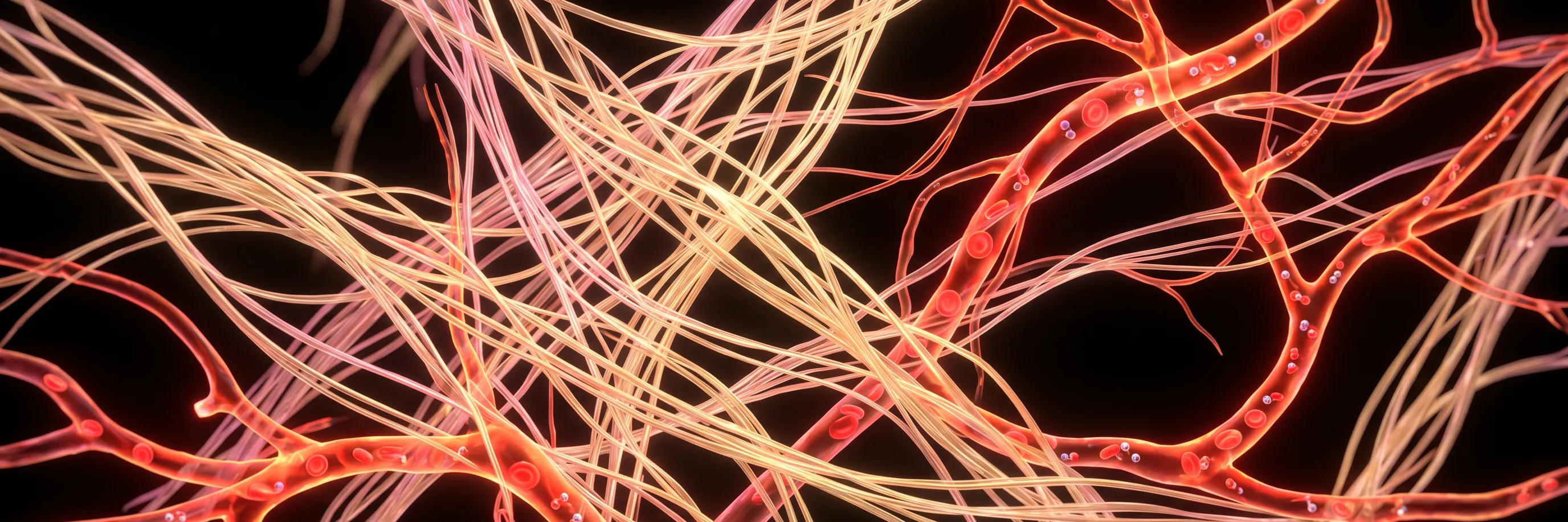
Each dose of nicotine briefly narrows the small blood vessels that supply the skin, and that stops when you quit. What is known about recovery comes almost entirely from cigarette smokers: in small studies, skin colour measurably changed within four to twelve weeks of stopping. No study has followed the skin of people who stop vaping, and long-term effects of vaping on skin ageing have not been measured. Some people report temporary breakouts in the first weeks; this has not been properly studied either. Expect gradual change over weeks, not a transformation in days.
Nicotine narrows blood vessels, including the small ones that feed the skin, and short-term drops in skin blood flow and oxygen have been measured after vaping. Whether years of vaping age the skin the way smoking does is unknown: the long-term studies do not exist. This page describes what is reasonably expected after stopping, and marks where it is borrowed from research on smokers.
WHEN IT STARTS
The repeated, short-lived narrowing of skin blood vessels ends with the last dose of nicotine. Some people report breakouts or drier skin in the first week or two; this is commonly described but has not been measured in studies.
WHEN IT PEAKS
There is no defined peak. Skin renews itself over roughly four weeks, so any visible change is gradual. In studies of smokers, measurable changes in skin colour appeared between four and twelve weeks after stopping.
WHEN IT RESOLVES
Any early breakouts usually settle within a few weeks. Longer-term change is slow, and the evidence is thin: the studies in smokers are small and none runs longer than nine months. Nothing comparable exists for people who vaped.
WHY IT HAPPENS
Nicotine triggers the release of adrenaline-like hormones that narrow small blood vessels, reducing blood flow to the skin for a short time after each dose. Repeated many times a day, that leaves the skin less well supplied for much of the day. In smokers, the smoke itself adds further damage to collagen; how much of that applies to vapour is not known.
WHAT TO DO
Keep skincare simple: a gentle cleanser, a moisturiser and daily sun protection, which matters more for skin ageing than anything else you can control. If breakouts appear, avoid adding harsh products. See a doctor or pharmacist about acne that is severe, painful or not settling after a few weeks.
HOURS WHERE THIS SYMPTOM APPEARS
RELATED ANSWERS
FREQUENTLY ASKED QUESTIONS
Will my skin improve after quitting vaping?
Probably, but it has not been measured. The repeated narrowing of skin blood vessels stops with the last dose of nicotine. In small studies of cigarette smokers, skin colour changed measurably within four to twelve weeks of quitting. No equivalent study exists for people who stop vaping.
Why is my skin breaking out after quitting vaping?
Breakouts in the first weeks are commonly reported, but they have not been studied, so the cause is not established. Disrupted sleep, stress, changes in eating and touching the face more often are all plausible contributors. They usually settle within a few weeks.
How long until my skin looks better after quitting?
Expect weeks, not days. Skin renews itself over about four weeks, and the changes measured in smokers appeared between four and twelve weeks after stopping. Established deep wrinkles have not been shown to reverse.
Get hour-by-hour guidance, push notification briefings, and audio coaching delivered to your phone.

