Coughing & Respiratory Changes After Quitting Vaping
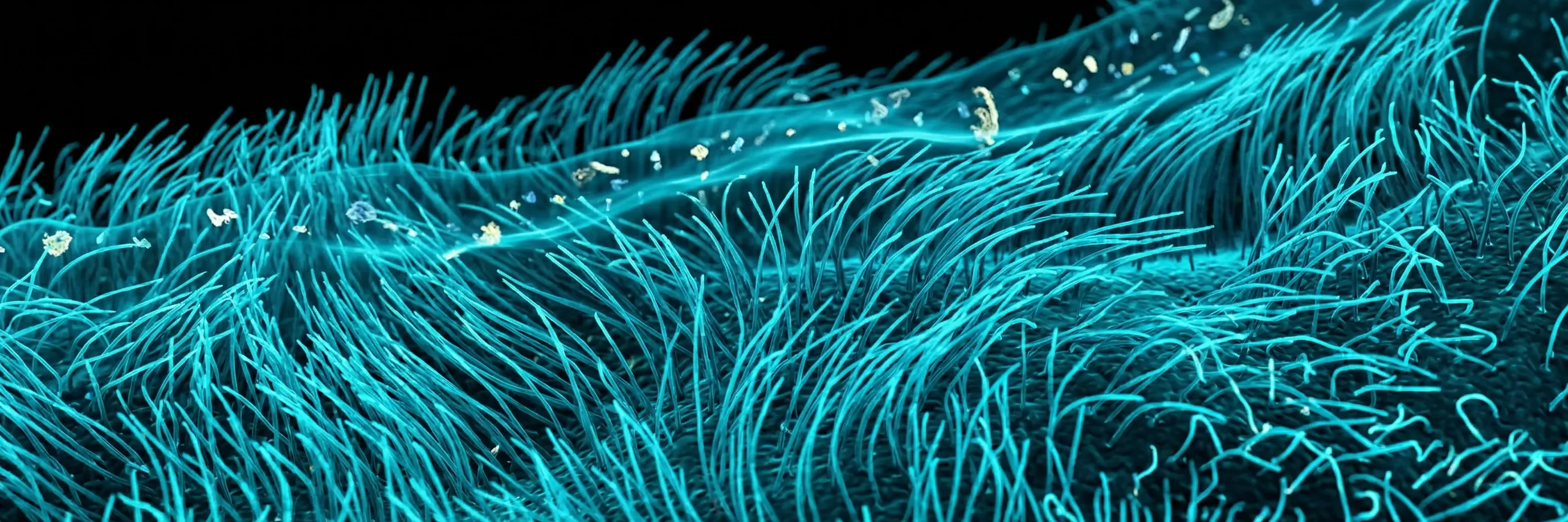
Coughing and respiratory changes after quitting vaping begin around day 3-4 and may initially seem like a worsening of symptoms. In reality, increased coughing and mucus production are signs of healing: your lungs' cilia (microscopic cleaning hairs) are regenerating and actively sweeping out the ultrafine particles deposited by months or years of aerosol inhalation. This productive cough typically peaks around days 5-7 and resolves by day 14. Breathing capacity improves measurably throughout.
Vaping deposits ultrafine particles deep in your lungs with every puff. These particles — composed of propylene glycol, vegetable glycerin, nicotine, and heating-element byproducts — lodge in your alveoli (the tiny air sacs where oxygen enters your blood). Your lungs' natural cleaning mechanism (the mucociliary escalator) was impaired during active vaping. When you quit, this system reactivates, and the cleanup process begins in earnest.
WHEN IT STARTS
Respiratory changes begin within hours of quitting — bronchial tubes start to relax as nicotine-driven bronchospasm eases. However, the noticeable coughing and mucus production typically don't start until days 3-4. This delay occurs because cilia regeneration takes time — the microscopic hair-like structures lining your airways were damaged by chronic aerosol exposure and need several days to regrow and begin functioning.
WHEN IT PEAKS
The productive cough peaks around days 5-7. This is when newly regenerated cilia are sweeping accumulated particles and mucus out of your airways at maximum rate. You may cough up more mucus than you expected — this is the backlog of debris that accumulated during active vaping. The cough may be wet, persistent, and initially alarming. It's healing.
WHEN IT RESOLVES
For most people, the productive cough resolves or substantially decreases by day 14. Breathing capacity (measured by FEV1) improves measurably within the first week and continues improving for months. Bronchial reactivity — the tendency of your airways to constrict — decreases throughout. Some people notice they can take deeper breaths by day 7. Full lung recovery from vaping takes months, but the most dramatic improvements happen in the first 2-4 weeks.
WHY IT HAPPENS
Three processes drive the respiratory changes: (1) Bronchospasm resolution — nicotine stimulates the sympathetic nervous system, causing chronic bronchial constriction. When nicotine leaves, your airways relax and open. (2) Cilia regeneration — the mucociliary escalator, your lungs' built-in cleaning system, was impaired by aerosol exposure. New cilia grow and begin sweeping debris upward and out. (3) Inflammation reduction — the chronic inflammatory response to ultrafine particle deposition subsides, reducing airway swelling and improving airflow.
WHAT TO DO
Don't suppress the cough with medication — it's productive and therapeutic. Your lungs are cleaning themselves. Stay hydrated to keep mucus thin and easier to clear. Use steam inhalation (hot shower, bowl of hot water) to loosen mucus. Sleep with your head slightly elevated if nighttime coughing is disruptive. Moderate exercise supports lung clearance — a brisk walk increases respiratory rate and helps mobilize mucus. If the cough produces bloody mucus, is accompanied by fever, or persists beyond 3 weeks, consult a doctor.
HOURS WHERE THIS SYMPTOM APPEARS
RELATED ANSWERS
FREQUENTLY ASKED QUESTIONS
Why am I coughing more after quitting vaping?
Your lungs' cilia (microscopic cleaning hairs) were impaired by chronic aerosol exposure. Now that you've stopped vaping, they're regenerating and actively sweeping out the accumulated particles and mucus. More coughing means more cleaning. It peaks around days 5-7 and typically resolves by day 14.
Is it normal to cough up mucus after quitting vaping?
Yes. The mucus and particles being cleared are the debris that accumulated during your vaping history. Productive coughing (coughing with mucus) is a sign that your mucociliary escalator is working. The amount of mucus varies by individual and duration of vaping.
When will my breathing improve after quitting vaping?
Many people notice easier breathing within the first week as bronchospasm resolves and airways open. Measurable FEV1 improvement begins within 2 weeks. Continued lung function improvement occurs over 1-9 months. Full recovery depends on how long and how heavily you vaped.
Get hour-by-hour guidance, push notification briefings, and audio coaching delivered to your phone.

