336'DAN 46. SAATKatekolamin Homeostazı Sıfırlanıyor
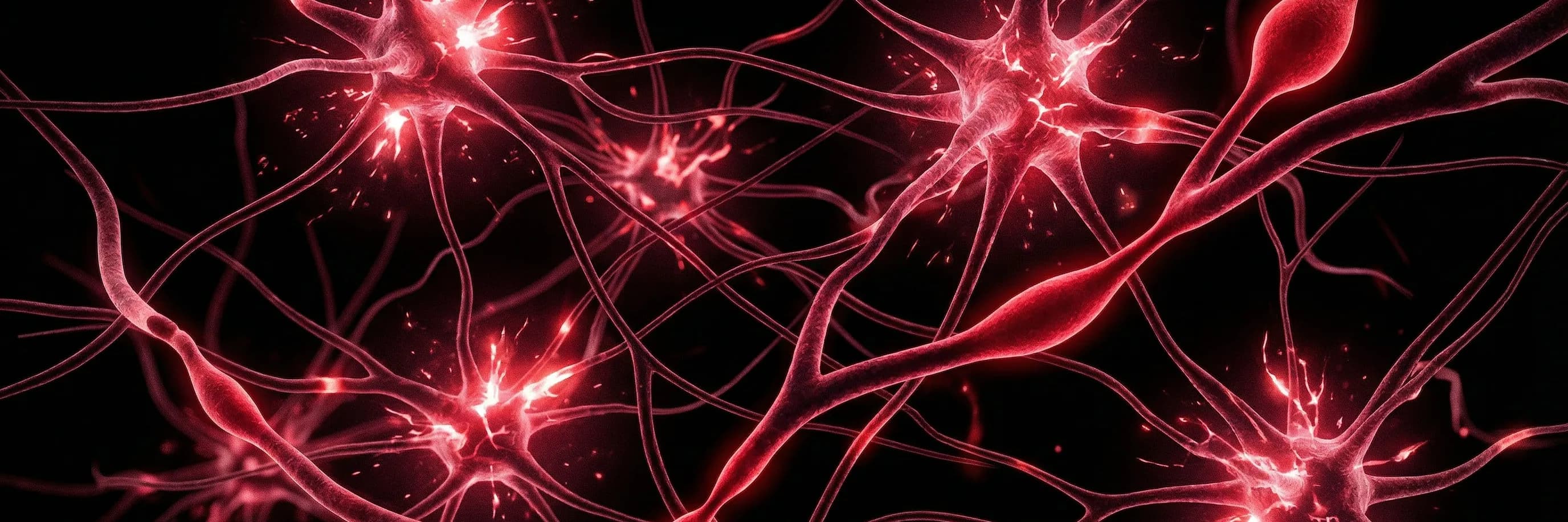
Vape bırakmanın 46. saatinde (2. gün), nikotin vücudunuzdan tamamen temizlenmiş durumda. Katekolamin Homeostazı Sıfırlanıyor: Nikotinin sempatik gangliyonlar üzerindeki etkisiyle yönlendirilen kronik katekolamin yüksekliği çözülüyor. Otonom sinir sistemi yeni dengeye doğru salınırken, huzursuz edici bir sakinlik tahriş patlamaları ile değişiyor. Bu, vape yoksunluğunun normal ve belgelenmiş bir aşamasıdır.
VÜCUDUNUZDAKİ DEĞIŞIMLER
Nikotinin sempatik gangliyonlar üzerindeki etkisiyle yönlendirilen kronik katekolamin yüksekliği çözülüyor. Dinlenme plazma epinefrin ve norepinefrin seviyeleri vape kullanmayanların aralıklarına doğru gidiyor. Özellikle vaperlar için, modern cihazlarda kullanılan nikotin tuzu formülasyonları, sigaralardaki serbest baz nikotinden daha verimli nikotin sağlar, bu da reseptörlerinizin daha yüksek pik konsantrasyonlara maruz kaldığı anlamına gelir.
Şu anda — "Katekolamin Homeostazı Sıfırlanıyor" — vücudunuz tamamen nikotinsiz ve nörolojik ile doku iyileşmesine odaklanmış durumda.
Vücudunuz artık tamamen nikotin içermiyor. Yüksek konsantrasyonlu nikotin tuzu cihazları kullanan vaperlar için, reseptör yukarı düzenlemesi özellikle yoğundu — beyniniz, düşük konsantrasyonlu sevkiyattan olacağından birim alan başına daha fazla nAChR reseptörü inşa etti. Bu fazlalık reseptörlerin agresif budanması, şu anda yaşadığınız yoksunluk semptomlarını tetikliyor. İyi haber: her rahatsızlık saati, ölçülebilir bir iyileşme saati.
Savaş-ya-da-kaç sisteminiz sıfırlanıyor. Nikotin sempatik sinir sisteminizi kronik olarak yükseltilmiş tuttu — yüksek epinefrin, yüksek norepinefrin, yüksek kortizol. Sürekli düşük dereceli fizyolojik stres halinde dolaşıyordunuz ve bunu normal diyordunuz. Bu katekolamin seviyeleri şimdi kullanmayan temel seviyelerine doğru gidiyor.
NASIL HİSSEDİYORSUNUZ
Otonom sinir sistemi yeni dengeye doğru salınırken, huzursuz edici bir sakinlik tahriş patlamaları ile değişiyor.
Akşam, eski vaperlar için psikolojik olarak karmaşık. Bu genellikle en yoğun kullanım dönemiydi — günün sonunda rahatlama, televizyon izleme, sosyal medyada gezinme, hepsi elde vape ile. Rahatlama ve vape arasındaki bağlantı özellikle güçlü. Akşam ortamınızı değiştirmeyi deneyin: farklı bir yerde oturun, yeni bir şey izleyin, ellerinizi bir hobi ile meşgul edin.
Vapelerin doğal bir durma noktası olmadığından (yanan bir sigara gibi), birçok vaper fark etmeden günde yüzlerce nefes alır. Vapınızın sürekli erişilebilirliği — dışarı çıkmaya gerek yok, koku yok, sosyal damga yok — her zaman el uzağında olduğu anlamına geliyordu. Birçok vaper saymadan günde 200-400 kez cihazına bastırır. Beyniniz her nefesi mikro ödül olarak kaydetti, son derece yoğun bir alışkanlık döngüsü yarattı. Şu anda eliniz orada olmayan bir cihaza uzanıyor olabilir. Beyniniz cebinizdeki tanıdık ağırlığı, dudaklarınıza karşı çekişi, boğaz vuruşunu arıyor. Bu hayalet alışkanlıklar gerçek nörolojik olaylar — motor korteks desenleri hedef olmadan ateşleniyor.
Birçok vaper ergenlik veya yirmili yaşlarında başladı, yani nikotin kritik bir dönemde beyninizin gelişiminin bir parçası oldu. İyi haber: sizi bağımlı yapan aynı nöroplastisite şimdi sizin lehinize çalışıyor. Vape almadan geçen her saat vape devresini zayıflatır ve vape almayan devreyi güçlendirir.
ŞİMDİ NE YAPMALI
Parmaklardan kafatası taşına kadar her kas grubunu sırayla gerip gevşeterek 10 dakika rehberli ilerici kas gevşemesi uygulayın.
Birini arayın veya mesaj gönderin. Aşerme 90 saniyede geçecek ve başka biriyle konuşmak aşerme devreleri ile örtüşen sözel işlem merkezlerini meşgul eder. Bırakma hakkında konuşmanıza gerek yok — herhangi bir sohbet işe yarar. Amaç bilişsel yeniden yönlendirme.
Fiziksel yer değişimi: Kalem, su şişesi veya stres topu tutun. Eliniz vape cihazının şeklini ve ağırlığını arıyor. Tarçın sakızı çiğneyin — boğaz vuruşunu taklit eden hafif boğaz hissi sağlar. Buz gibi suyu pipet ile için — emme hareketi aynı ağız devresini meşgul eder.
BU SAATTE NELERİ BEKLEMELİ
Vape bırakmanın 2. gününde akşam ilerledikçe, yoksunluk semptomları zirve yoğunlukta — bu kadar zor olduğu son durum. Vücudunuz tamamen nikotin içermiyor — kalan tüm semptomlar nörolojik adaptasyon, kimyasal yoksunluk değil. Akut Yoksunluk aşamasında (1-3. Günler), vücudunuz nikotini ve metabolitlerini temizlemeye odaklanmış. Vapeden gelen yüksek konsantrasyonlu nikotin tuzları parçalanıyor ve elimine ediliyor. Her saat ölçülebilir ilerleme getiriyor.
VÜCUT DEĞİŞİMLERİ
Nikotin seviyesi: %0 — kan dolaşımınızdan tamamen temizlendi. Vücudunuz 72. saatte tam nikotin temizliğine ulaştı.
BUGÜN YAŞANAN YAYGIN BELİRTİLER
SIK SORULAN SORULAR
Vape bıraktıktan 46 saat sonra böyle hissetmek normal mi?
Evet. 46. saatte (2. gün), vücudunuz tamamen nikotinsiz ve nörolojik adaptasyona uğruyor. Şu anda yaşadığınız semptomlar — şu anda zirve yoğunluktalar — nikotin yoksunluğunun belgelenmiş bir parçası ve geçecekler.
46 saat sonra vücudumda ne kadar nikotin kaldı?
Vape kullanmadan 46 saat sonra, kan dolaşımınızda yaklaşık %0.0 nikotin kalır. Vücudunuz artık %100 nikotinsiz. Kalan tüm semptomlar nörolojik, kimyasal değil.
Saatlik rehberlik, bildirim uyarıları ve telefonunuza sesli koçluk hizmeti alın.