336

HOUR 37 OF 336Mitochondrial Respiration Improving

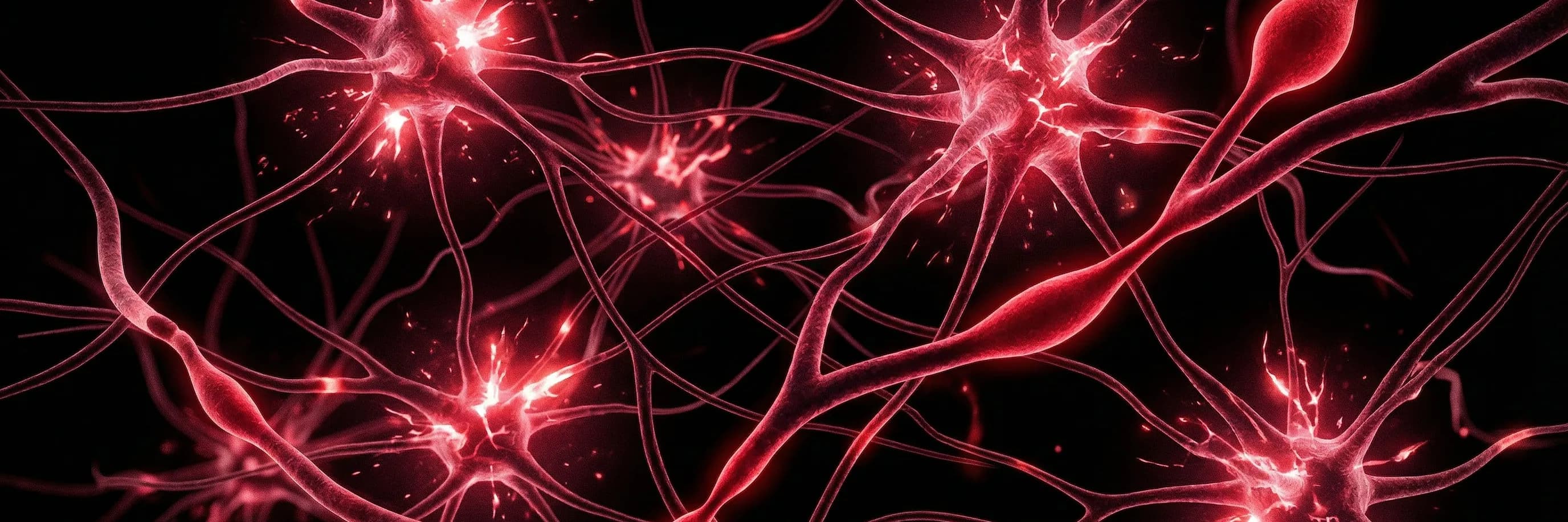
Acute withdrawal phase visualization — neural synapses firing in crimson
Acute WithdrawalDays 1-3
INTENSITY
CRITICAL
NICOTINE
CLEAR

At hour 37 of quitting vaping (day 2), nicotine has been completely cleared from your body. Mitochondrial Respiration Improving: Cellular mitochondria, previously exposed to reactive aldehydes such as formaldehyde and acrolein generated when e-liquid is heated, are recovering electron transport chain efficiency. Despite cellular improvements, subjective energy levels remain low due to central dopaminergic hypofunction. This is a normal and documented stage of vaping withdrawal.

WHAT'S HAPPENING IN YOUR BODY

Cellular mitochondria, previously exposed to reactive aldehydes such as formaldehyde and acrolein generated when e-liquid is heated, are recovering electron transport chain efficiency. Cellular ATP production capacity is improving. For vapers specifically, the nicotine salt formulations used in modern devices deliver nicotine more efficiently than freebase nicotine in cigarettes, which means your receptors were exposed to higher peak concentrations.

At this moment — "Mitochondrial Respiration Improving" — your body is completely nicotine-free and focused on neurological and tissue recovery.

Your body is now completely free of nicotine. For vapers who used high-concentration nicotine salt devices, the receptor upregulation was particularly dense — your brain built more nAChR receptors per unit area than it would have from lower-concentration delivery. The aggressive pruning of these surplus receptors is what drives the withdrawal symptoms you're experiencing now. The good news: every hour of discomfort is an hour of measurable healing.

You're in the peak withdrawal window now, and here's something to hold onto while you're in it. At the cellular level — the most fundamental level of your biology — your mitochondria are recovering. These are the power plants inside every cell. Reactive aldehydes formed when e-liquid is heated were straining their electron transport chains, throttling their ability to produce energy.

HOW YOU'RE FEELING

Despite cellular improvements, subjective energy levels remain low due to central dopaminergic hypofunction.

Afternoon tends to bring a different kind of craving for former vapers — less the sharp urgency of morning withdrawal, more a dull, persistent awareness that something is missing. This is the habitual pull rather than the chemical one. Your brain is pattern-matching against thousands of afternoons where vaping was the background activity. Stay active; idle time is the enemy right now.

Because vapes have no natural stopping point (no cigarette that burns down), many vapers take hundreds of puffs per day without realizing it. The constant availability of your vape — no need to go outside, no smell, no social stigma — meant it was always within arm's reach. Many vapers hit their device 200-400 times per day without counting. Your brain registered each puff as a micro-reward, creating an extremely dense habit loop. Right now, your hand may be reaching for a device that isn't there. Your brain is scanning for the familiar weight in your pocket, the draw against your lips, the throat hit. These phantom habits are real neurological events — motor cortex patterns firing without a target.

Many vapers started in their teens or twenties, meaning nicotine has been part of your brain's development during a critical period. The good news: the same neuroplasticity that made you dependent is now working in your favor. Every hour without a puff weakens the vaping circuit and strengthens the non-vaping one.

AUDIO BRIEFINGHour 37: Mitochondrial Respiration Improving

WHAT TO DO RIGHT NOW

Eat a small serving of fatty fish like sardines or salmon to provide CoQ10 and omega-3 fatty acids that support mitochondrial membrane function.

Eat a protein-rich snack: a handful of almonds, a slice of turkey, a cheese stick. Stable blood sugar directly supports cognitive function, and your prefrontal cortex — the part of your brain that says "no" to cravings — needs glucose to function. Low blood sugar makes cravings worse.

If the craving hits while walking past a convenience store or vape shop, use the 4-7-8 breathing technique: inhale 4 seconds, hold 7, exhale 8. This activates your vagus nerve and parasympathetic nervous system. The craving will peak and pass within 90 seconds — time it.

WHAT TO EXPECT THIS HOUR

This afternoon on day 2 of quitting vaping, withdrawal symptoms are at peak intensity — this is as hard as it gets. Your body is completely free of nicotine — all remaining symptoms are neurological adaptation, not chemical withdrawal. During the Acute Withdrawal phase (Days 1-3), your body is focused on clearing nicotine and its metabolites. The high-concentration nicotine salts from vaping are being broken down and eliminated. Each hour brings measurable progress.

BODY CHANGES

Nicotine level: 0% — completely cleared from your bloodstream. Your body achieved full nicotine clearance at hour 72.

COMMON SYMPTOMS TODAY

Sleep Disruption & InsomniaAppetite & Weight ChangesFatigue & Energy Levels

FREQUENTLY ASKED QUESTIONS

Is it normal to feel this way 37 hours after quitting vaping?

Yes. At hour 37 (day 2), your body is completely free of nicotine and undergoing neurological adaptation. The symptoms you're experiencing — which are at their peak intensity right now — are a documented part of nicotine withdrawal and they will pass.

How much nicotine is left in my body after 37 hours?

After 37 hours without vaping, approximately 0.0% of nicotine remains in your bloodstream. Your body is now 100% nicotine-free. All remaining symptoms are neurological, not chemical.

Download 336

Get hour-by-hour guidance, push notification briefings, and audio coaching delivered to your phone.

GOOGLE PLAYAPP STORE
Hour 37 of Quitting Vaping: Mitochondrial Respiration Improving | 336