HOUR 32 OF 336Oxidative Stress Markers Declining
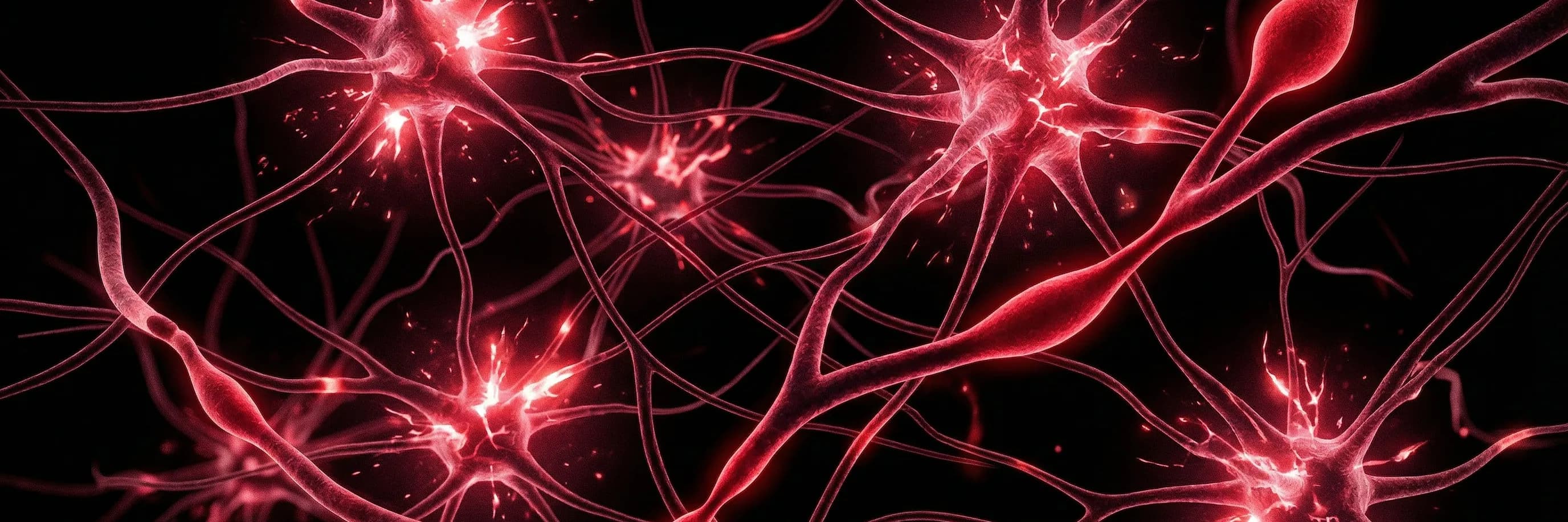
At hour 32 of quitting vaping (day 2), nicotine has been completely cleared from your body. Oxidative Stress Markers Declining: Plasma levels of F2-isoprostanes, a biomarker of lipid peroxidation and oxidative stress, begin declining measurably. Concentration remains impaired; reading or following complex conversations requires noticeably more effort. This is a normal and documented stage of vaping withdrawal.
WHAT'S HAPPENING IN YOUR BODY
Plasma levels of F2-isoprostanes, a biomarker of lipid peroxidation and oxidative stress, begin declining measurably. Reduced free radical burden allows endogenous antioxidant systems to begin recovering capacity. For vapers specifically, the nicotine salt formulations used in modern devices deliver nicotine more efficiently than freebase nicotine in cigarettes, which means your receptors were exposed to higher peak concentrations.
At this moment — "Oxidative Stress Markers Declining" — your body is completely nicotine-free and focused on neurological and tissue recovery.
Your body is now completely free of nicotine. For vapers who used high-concentration nicotine salt devices, the receptor upregulation was particularly dense — your brain built more nAChR receptors per unit area than it would have from lower-concentration delivery. The aggressive pruning of these surplus receptors is what drives the withdrawal symptoms you're experiencing now. The good news: every hour of discomfort is an hour of measurable healing.
Inside your cells, something important is shifting. Oxidative stress markers in your blood — specifically F2-isoprostanes, which measure cellular damage from free radicals — are measurably declining. Every hit of nicotine flooded your system with free radicals that attacked your cell membranes. That bombardment has stopped, and your body's antioxidant defenses are recovering capacity.
HOW YOU'RE FEELING
Concentration remains impaired; reading or following complex conversations requires noticeably more effort.
Mid-morning is when many former vapers feel the pull most strongly — this was prime vaping time during commutes, at desks, between meetings. The habitual pattern of reaching for your device during idle moments is deeply wired. Keep your hands occupied and your environment different from your vaping routine.
Because vapes have no natural stopping point (no cigarette that burns down), many vapers take hundreds of puffs per day without realizing it. The constant availability of your vape — no need to go outside, no smell, no social stigma — meant it was always within arm's reach. Many vapers hit their device 200-400 times per day without counting. Your brain registered each puff as a micro-reward, creating an extremely dense habit loop. Right now, your hand may be reaching for a device that isn't there. Your brain is scanning for the familiar weight in your pocket, the draw against your lips, the throat hit. These phantom habits are real neurological events — motor cortex patterns firing without a target.
Many vapers started in their teens or twenties, meaning nicotine has been part of your brain's development during a critical period. The good news: the same neuroplasticity that made you dependent is now working in your favor. Every hour without a puff weakens the vaping circuit and strengthens the non-vaping one.
WHAT TO DO RIGHT NOW
Eat a cup of blueberries or dark cherries to provide anthocyanins, which are potent dietary antioxidants that complement the body's recovery from oxidative damage.
If the craving hits while taking a break at work where you used to step outside to vape, use the 4-7-8 breathing technique: inhale 4 seconds, hold 7, exhale 8. This activates your vagus nerve and parasympathetic nervous system. The craving will peak and pass within 90 seconds — time it.
Cold exposure technique: Run cold water over your wrists for 30 seconds or hold an ice cube. The sensory shock interrupts the craving neural pathway and redirects your attention. It sounds simple because it is — cravings are short-circuit events, and any strong competing stimulus can break the loop.
WHAT TO EXPECT THIS HOUR
During this morning stretch on day 2 of quitting vaping, withdrawal symptoms are intense — this is one of the harder hours. Your body is completely free of nicotine — all remaining symptoms are neurological adaptation, not chemical withdrawal. During the Acute Withdrawal phase (Days 1-3), your body is focused on clearing nicotine and its metabolites. The high-concentration nicotine salts from vaping are being broken down and eliminated. Each hour brings measurable progress.
BODY CHANGES
Nicotine level: 0% — completely cleared from your bloodstream. Your body achieved full nicotine clearance at hour 72.
COMMON SYMPTOMS TODAY
FREQUENTLY ASKED QUESTIONS
Is it normal to feel this way 32 hours after quitting vaping?
Yes. At hour 32 (day 2), your body is completely free of nicotine and undergoing neurological adaptation. The symptoms you're experiencing — which are high at this stage — are a documented part of nicotine withdrawal and they will pass.
How much nicotine is left in my body after 32 hours?
After 32 hours without vaping, approximately 0.0% of nicotine remains in your bloodstream. Your body is now 100% nicotine-free. All remaining symptoms are neurological, not chemical.
Get hour-by-hour guidance, push notification briefings, and audio coaching delivered to your phone.