336'DAN 33. SAATPeriferik Sinir İletimi İyileşiyor
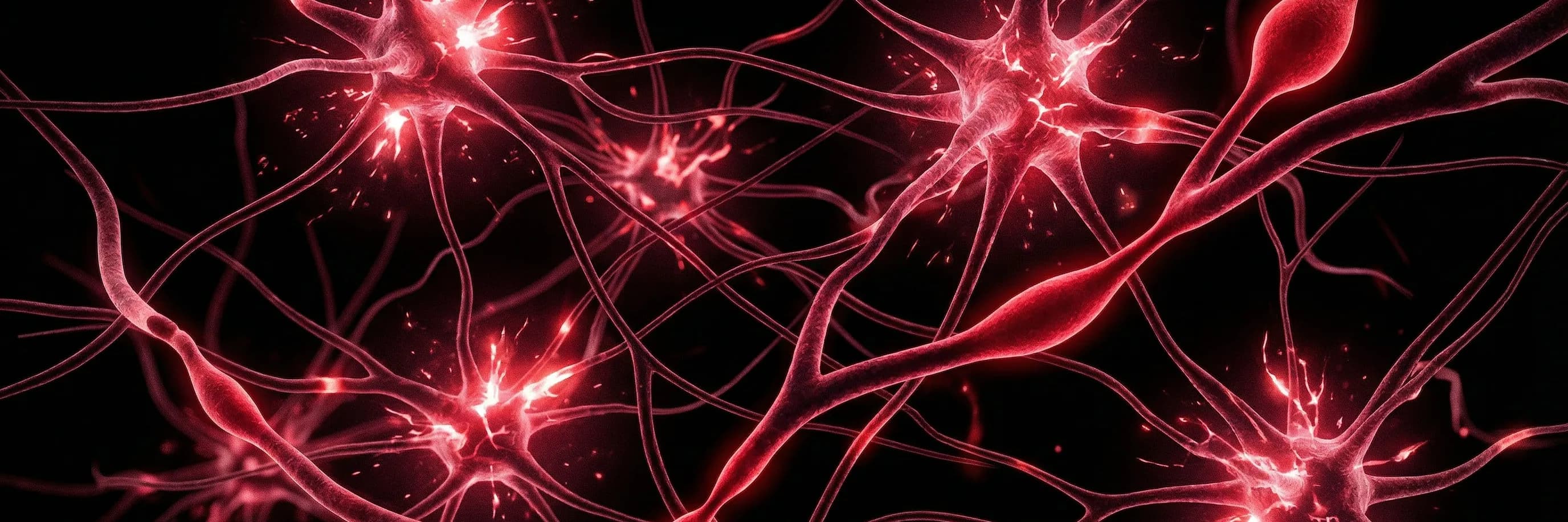
Vaping bırakmanın 33. saatinde (2. gün), nikotin vücudunuzdan tamamen temizlenmiştir. Periferik Sinir İletimi İyileşiyor: Sigara içmekten dolayı kronik vazokonstrüksiyon ve hipoksi yaşayan küçük fiber periferik sinirler, gelişen perfüzyonla iyileşiyor. Artmış somatik farkındalık, küçük fiziksel hislerin büyütülmüş ve potansiyel olarak endişe verici algılanmasına neden oluyor. Bu, vaping bırakmanın normal ve belgelenmiş bir aşamasıdır.
VÜCUDUNUZDAKİ DEĞIŞIMLER
Vaping nedeniyle kronik vazokonstrüksiyon ve hipoksi yaşayan küçük fiber periferik sinirler, gelişen perfüzyonla iyileşiyor. Parmak uçları ve ayak parmaklarında erken duyusal iyileşme, karıncalanma veya artmış dokunma hassasiyeti şeklinde kendini gösterebilir. Özellikle vaperlar için, modern cihazlarda kullanılan nikotin tuzu formülasyonları nikotini sigaralardaki freebase nikotinden daha verimli şekilde ilettikleri için, reseptörleriniz daha yüksek pik konsantrasyonlara maruz kalmıştır.
Şu anda — "Periferik Sinir İletimi İyileşiyor" — vücudunuz tamamen nikotinsiz ve nörolojik ile doku iyileşmesine odaklanmış durumda.
Vücudunuz artık tamamen nikotin arınmış durumda. Yüksek konsantrasyonlu nikotin tuzu cihazları kullanan vaperlar için, reseptör upregülasyonu özellikle yoğundu — beyniniz, düşük konsantrasyonlu iletimde olacağından daha fazla nAChR reseptörü birim alanda inşa etti. Bu fazla reseptörlerin agresif budanması, şu anda yaşadığınız yoksunluk semptomlarını tetikleyen şeydir. İyi haber: her saat rahatsızlık, ölçülebilir iyileşmenin bir saatidir.
Ellerinizde veya ayaklarınızda olağandışı bir şey fark edebilirsiniz — karıncalanma, artmış hassasiyet veya sinir uçları normalden daha yüksek sesle açılmış gibi bir his. Çünkü gerçekten öyle. Periferik sinirleriniz, nikotin kaynaklı vazokonstriksiyon nedeniyle kronik oksijen açlığı yaşıyordu. Kan akımı o küçük damarlara geri dönüyor ve sinir uçlarınız uyanıyor.
NASIL HİSSEDİYORSUNUZ
Artmış somatik farkındalık, küçük fiziksel hislerin büyütülmüş ve potansiyel olarak endişe verici algılanmasına neden oluyor.
Sabah ortası, birçok eski vaperin çekimi en güçlü hissettiği zamandır — bu, işe gidiş gelişlerde, masalarda, toplantılar arasında ana vaping zamanıydı. Boş anlarında cihazınıza uzanma alışkanlığı derinden bağlanmıştır. Ellerinizi meşgul tutun ve çevrenizi vaping rutininizden farklı yapın.
Vapeler'ın doğal durma noktası olmadığı için (yanan bir sigara gibi), birçok vaper gün içinde yüzlerce çekim yapar ve bunu fark etmez. Vaping cihazınızın sürekli erişilebilirliği — dışarı çıkmaya gerek yok, koku yok, sosyal damga yok — her zaman el uzaklığında olması anlamına geliyordu. Birçok vaper saymadan günde 200-400 kez cihazını çeker. Beyniniz her nefesi mikro-ödül olarak kaydetmiş, son derece yoğun bir alışkanlık döngüsü yaratmıştır. Şu anda eliniz orada olmayan bir cihaza uzanıyor olabilir. Beyniniz cebinizde tanıdık ağırlığı, dudaklarınızdaki çekimi, boğaz vuruşunu arıyor. Bu hayalet alışkanlıklar gerçek nörolojik olaylardır — motor korteks kalıpları hedef olmadan ateşleniyor.
Birçok vaper genç yaşta başlamıştır, bu da nikotinin kritik bir dönemde beyninizin gelişiminin parçası olduğu anlamına gelir. İyi haber: sizi bağımlı yapan aynı nöroplastisite şimdi lehinize çalışıyor. Nefes almadan geçen her saat vaping devresini zayıflatır ve vaping yapmayan devreyi güçlendirir.
ŞİMDİ NE YAPMALI
Artmış periferik sinir hassasiyetini kontrollü, hoş bir duyusal deneyim haline getirmek için 2 dakika boyunca ellerinizi dönüşümlü sıcak ve soğuk su altında tutun.
Fiziksel yer değiştirme: Kalem, su şişesi veya stres topu tutun. Eliniz vape cihazının şekli ve ağırlığını arıyor. Tarçın sakızı çiğneyin — boğaz vuruşunu taklit eden hafif boğaz hissi sağlar. Pipet ile buz gibi su için — emme hareketi aynı ağız devresini meşgul eder.
Vücudunuzu hemen hareket ettirin. 5 dakikalık hızlı yürüyüş GABA üretimini artırır ve isteğinizi tetikleyen dopamin açığına doğrudan karşı koyan endorfinler salar. Tam antrenman yapmanıza gerek yok — sadece hareket. Merdiven, duvara karşı şınav veya hatta güçlü germe.
BU SAATTE NELERİ BEKLEMELİ
Vaping bırakmanın 2. gününde bu sabah sürecinde yoksunluk semptomları yoğun — bu daha zor saatlerden biri. Vücudunuz tamamen nikotin arınmış — kalan tüm semptomlar nörolojik adaptasyon, kimyasal yoksunluk değil. Akut Çekilme fazı sırasında (1-3. Günler), vücudunuz nikotini ve metabolitlerini temizlemeye odaklanmış. Vaping'den gelen yüksek konsantrasyonlu nikotin tuzları parçalanıyor ve atılıyor. Her saat ölçülebilir ilerleme getirir.
VÜCUT DEĞİŞİMLERİ
Nikotin seviyesi: %0 — kan akışınızdan tamamen temizlendi. Vücudunuz 72. saatte tam nikotin temizliğine ulaştı.
BUGÜN YAŞANAN YAYGIN BELİRTİLER
SIK SORULAN SORULAR
Vaping bıraktıktan 33 saat sonra böyle hissetmek normal mi?
Evet. 33. saatte (2. gün), vücudunuz tamamen nikotin arınmış ve nörolojik adaptasyona uğruyor. Yaşadığınız semptomlar — bu aşamada yüksek olan — nikotin yoksunluğunun belgelenmiş bir parçasıdır ve geçecektir.
33 saat sonra vücudumda ne kadar nikotin kaldı?
Vaping bıraktıktan 33 saat sonra, kan akışınızda yaklaşık %0.0 nikotin kalır. Vücudunuz artık %100 nikotin arınmış. Kalan tüm semptomlar nörolojik, kimyasal değil.
Saatlik rehberlik, bildirim uyarıları ve telefonunuza sesli koçluk hizmeti alın.