DAY 14 OF 14New Baseline
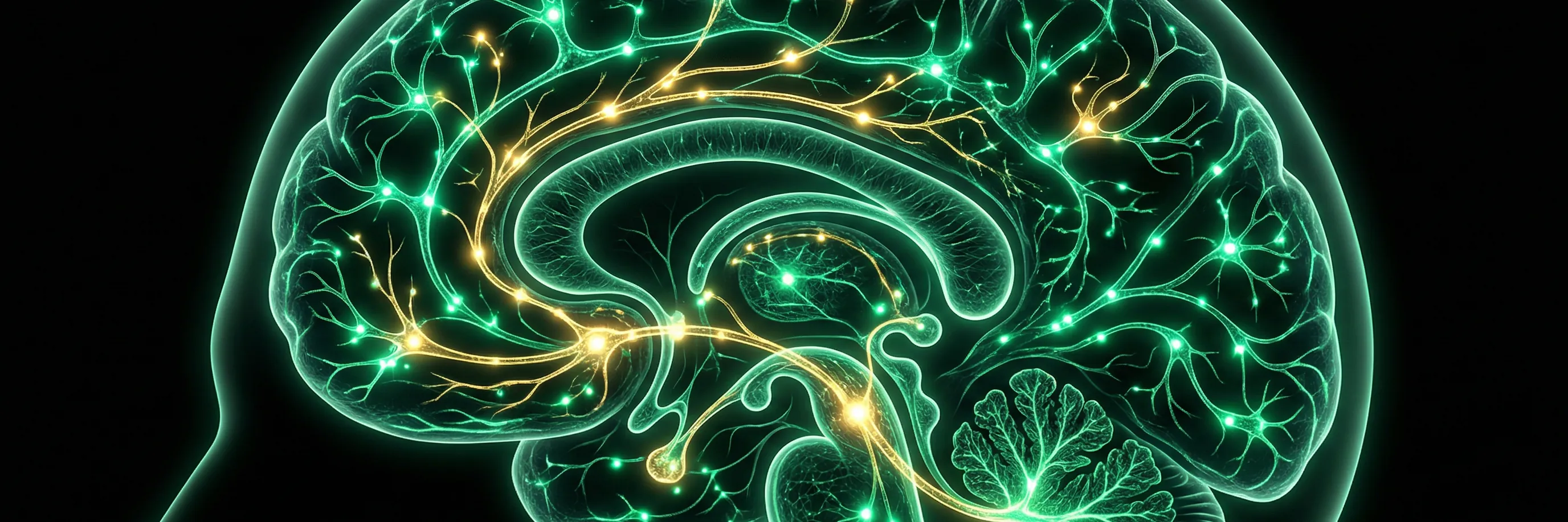
Day 14 of quitting smoking marks the end of acute withdrawal. Stress hormones are back at baseline, the airway cleaning system is close to non-smoker levels, smoking-related heartburn eases, and stamina is higher. It is not the end of the process: cue-driven cravings can recur for weeks or months, and brain nicotine receptors take roughly 6 to 12 weeks to fully normalize.
What is happening in your body today
After two weeks, the adrenal hormones adrenaline and noradrenaline are released at normal levels, answering real stress rather than nicotine. Cilia have recovered a good part of their density and function, so your lungs clear themselves effectively. The valve at the bottom of your gullet, which nicotine relaxed, has regained its tone, so heartburn linked to smoking eases. Your lungs stretch more easily and your stamina ceiling is rising.
Longer-term risk is bending downward: inflammation markers are near baseline, blood vessel repair is under way, your heart rhythm is more resilient, bones are no longer losing mineral at a smoker's rate, and skin ageing has slowed. Your brain has done most of its work on cravings, but receptor numbers continue to normalize over the next several weeks, and the habits linked to smoking will keep weakening each time you meet them without a cigarette.
What you will probably feel
- Few physical symptoms. Most people feel physically normal or better than before quitting. Appetite may still be higher.
- Occasional cue cravings. Rare urges can still appear in high-risk moments such as drinking, stress or travel. They are brief.
- More stamina. Exercise, stairs and long days feel easier, and recovery after effort is quicker.
- Mixed feelings. Some people feel relief, others a sense of anticlimax. Both are normal.
What helps today
- Keep your plan running. The habits that got you through two weeks, such as clearing cigarettes away and planning triggers, still matter in month 1.
- Prepare for a lapse. Decide now what you will do if you smoke one cigarette: stop immediately, throw the rest away and carry on. A lapse does not have to become a relapse.
- Watch for lingering symptoms. See a doctor if low mood, anxiety, cough or breathlessness are getting worse rather than better after day 14.
- Track month 1. Note the date of each strong craving and what triggered it. Patterns tell you which situations still need a plan.
DAY 14 · WATCH
Day 14 Quitting Cold Turkey: The Sprint Is Over — What Your Body Achieved
MILESTONES TODAY
COMMON SYMPTOMS TODAY
1 AUDIO BRIEFING TODAY
Hours with audio: H336
ALL 24 HOURS
FREQUENTLY ASKED QUESTIONS
What happens to your body after 2 weeks of not smoking?
After two weeks, carbon monoxide and nicotine are long gone, stress hormones are close to your own baseline, the airway cleaning system is near normal, circulation and breathing are clearly better and sleep is usually good. Acute withdrawal is over, but your brain is still adjusting, and cue cravings can recur for weeks or months.
What happens after 15 days without smoking and beyond?
Lung function and circulation keep improving over the following weeks and months, and any productive cough usually fades. Brain nicotine receptors continue normalizing over roughly 6 to 12 weeks. Cravings become rarer and weaker, though strong cues such as alcohol, stress or other smokers can still trigger them.
Which week is the hardest when you quit smoking?
The first week, with days 2 to 4 the most intense and most relapses happening within the first eight days. Week 2 is usually much easier physically. Later weeks are more about situations than symptoms: the first night out, a stressful event or a holiday can bring a sharp but brief urge.
What kills the urge to smoke after the first two weeks?
Later urges are mostly triggered by a place, person or mood. Name the trigger, delay for a few minutes and do something with your hands or body until it passes. Planning ahead for high-risk events works better than relying on willpower in the moment. If urges become frequent again, ask a doctor or stop-smoking service for support.
Get hour-by-hour guidance, push notification briefings, and audio coaching delivered to your phone.

