JAM 324 DARI 336Fungsi Silia di 80%
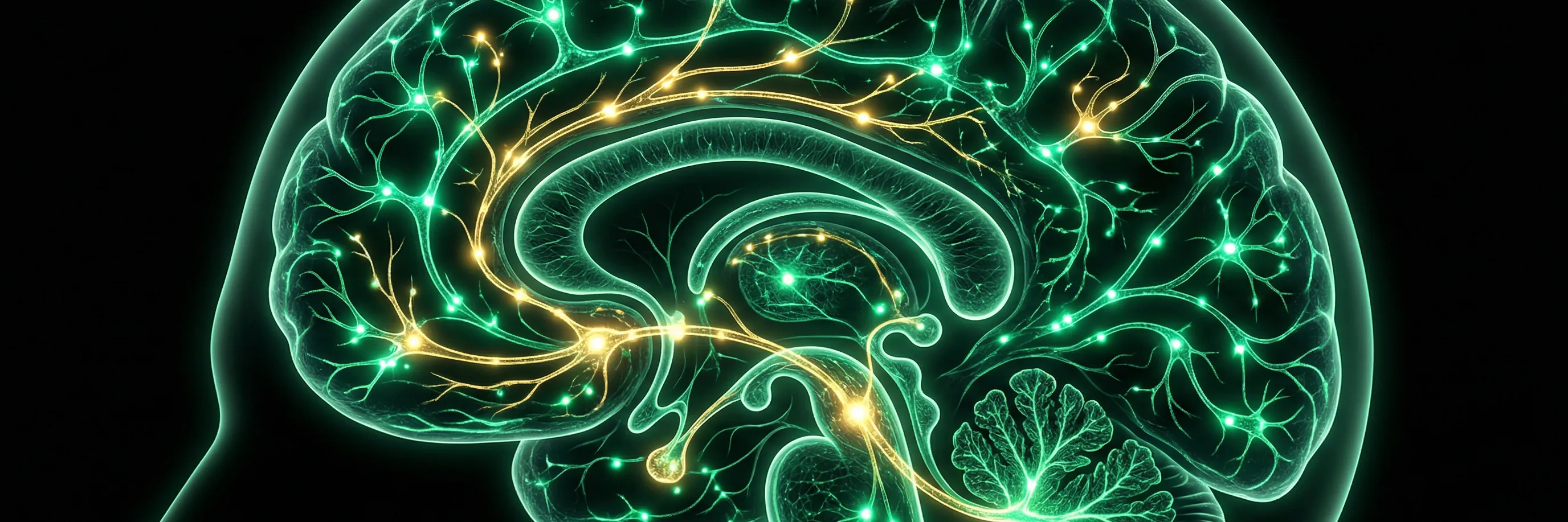
Pada jam ke-324 berhenti merokok (hari 14), nikotin telah sepenuhnya bersih dari tubuh Anda. Fungsi Silia di 80%: Kepadatan dan fungsi silia telah mencapai sekitar 80% dari level non-perokok. Titik tengah hari terakhir — setiap sistem dalam tubuh telah terukur membaik selama dua minggu ini. Ini adalah tahap normal dan terdokumentasi dari gejala putus rokok.
APA YANG TERJADI DALAM TUBUH ANDA
Kepadatan dan fungsi silia telah mencapai sekitar 80% dari level non-perokok. Eskalator mukosiliar membersihkan kotoran pernapasan dengan efisiensi hampir normal, secara signifikan mengurangi risiko infeksi. Asap rokok mengandung lebih dari 7.000 bahan kimia — nikotin yang membuat Anda kecanduan, tetapi produk sampingan pembakaran (tar, karbon monoksida, formaldehida, benzena) yang menyebabkan kerusakan fisik terbesar. Seiring nikotin bersih, begitu pula paparan konstan terhadap racun-racun ini.
Saat ini — "Fungsi Silia di 80%" — tubuh Anda sepenuhnya bebas nikotin dan fokus pada pemulihan neurologis dan jaringan.
Hari 14: sprint 14 hari hampir selesai. Tubuh Anda telah membuat kemajuan luar biasa: kepadatan reseptor otak normal, risiko kardiovaskular berkurang, fungsi paru membaik, sistem imun pulih, perbaikan DNA berlangsung. Kecanduan fisik telah terputus. Identitas Anda sebagai non-perokok semakin menguat setiap hari. Bagian tersulit telah selamanya tertinggal.
APA YANG ANDA RASAKAN
Titik tengah hari terakhir — setiap sistem dalam tubuh telah terukur membaik selama dua minggu ini.
Jam-jam pagi membawa beban pemicu yang berat bagi perokok — perjalanan, istirahat kerja, kopi tengah pagi. Semua ini dulunya adalah ritual merokok. Hari ini, setiap momen yang Anda lalui tanpa rokok melemahkan asosiasi tersebut. Ini tidak terasa seperti kemajuan, tapi memang begitu.
Jalur saraf yang dulu mendorong Anda menyalakan rokok sedang memudar. Pemicu kopi pagi, dorongan setelah makan, respons stres — semua ini sedang ditimpa oleh pola-pola baru. Bertahun-tahun merokok telah menciptakan jalur yang sangat dalam di otak Anda, tetapi empat belas hari konsisten tidak merokok telah membentuk jalur-jalur saingan yang semakin kuat setiap hari. Anda mungkin masih sesekali memikirkan rokok, tapi perhatikan bagaimana pikiran itu berubah: lebih tenang, kurang mendesak, lebih seperti kenangan daripada perintah. Itulah perbedaan antara keinginan dan pikiran.
APA YANG HARUS DILAKUKAN SEKARANG
Tarik napas dalam dan batuk dengan sengaja — perhatikan bagaimana batuk produktif telah berkurang seiring paru-paru membersihkan dirinya.
Perlindungan masa depan bagi perokok: Pemicu kambuh teratas untuk mantan perokok di bulan 1-3 adalah (1) minum alkohol, terutama dalam setting sosial di mana orang lain merokok, (2) stres hidup besar (kehilangan pekerjaan, konflik hubungan, kehilangan orang terkasih), (3) pemikiran nostalgia ("Sebenarnya saya menikmati merokok" — otak Anda meromantisasi kecanduan). Miliki rencana untuk masing-masing. Fitur SOS aplikasi 336 menyediakan latihan pernapasan 60 detik untuk darurat keinginan merokok.
Pelacakan milestone: Tetapkan 30 hari sebagai target berikutnya. Pada 30 hari bebas rokok, paru-paru Anda telah membuat kemajuan signifikan dalam membersihkan endapan tar. Pada 90 hari, sirkulasi Anda telah terukur membaik. Pada 1 tahun, risiko berlebih penyakit jantung koroner turun menjadi setengah dari perokok aktif.
APA YANG DIHARAPKAN JAM INI
Selama rentang pagi di hari ke-14 berhenti merokok ini, gejala putus rokok relatif dapat dikelola. Tubuh Anda sepenuhnya bebas dari nikotin — semua gejala yang tersisa adalah adaptasi neurologis, bukan penarikan kimia. Anda telah mencapai fase New Baseline (Hari 11-14). Otak dan tubuh Anda sedang menetapkan normal baru mereka tanpa merokok. Kecanduan fisiologis telah terputus — yang tersisa adalah membangun kebiasaan dan identitas hidup bebas rokok Anda.
PERUBAHAN TUBUH
Level nikotin: 0% — sepenuhnya bersih dari aliran darah Anda. Tubuh Anda mencapai pembersihan nikotin penuh pada jam ke-72.
Silia paru Anda — struktur kecil seperti rambut yang dilumpuhkan oleh asap rokok — sedang beregenerasi dan mulai menyapu akumulasi tar dan kotoran keluar dari saluran napas Anda. Inilah mengapa Anda mungkin lebih banyak batuk: ini tanda penyembuhan, bukan kerusakan.
GEJALA UMUM HARI INI
PERTANYAAN YANG SERING DIAJUKAN
Apakah normal merasakan seperti ini 324 jam setelah berhenti merokok?
Ya. Pada jam ke-324 (hari 14), tubuh Anda sepenuhnya bebas dari nikotin dan mengalami adaptasi neurologis. Gejala yang Anda alami — yang rendah pada tahap ini — adalah bagian terdokumentasi dari gejala putus nikotin dan akan berlalu.
Apakah saya aman dari kambuh setelah 14 hari tidak merokok?
Setelah 14 hari, kecanduan fisiologis Anda sebagian besar telah terputus — kepadatan reseptor otak mendekati baseline non-perokok. Tetapi risiko kambuh tidak turun ke nol. Momen berisiko tertinggi di bulan berikutnya adalah konsumsi alkohol, stres ekstrem, dan nostalgia terhadap ritual. Pertahanan Anda: komitmen identitas. Anda bukan "orang yang berhenti merokok" — Anda adalah "orang yang tidak merokok."
Dapatkan panduan jam demi jam, briefing notifikasi push, dan pelatihan audio langsung ke ponsel Anda.