TIMME 317 AV 336Hårfollikelåterhämtning
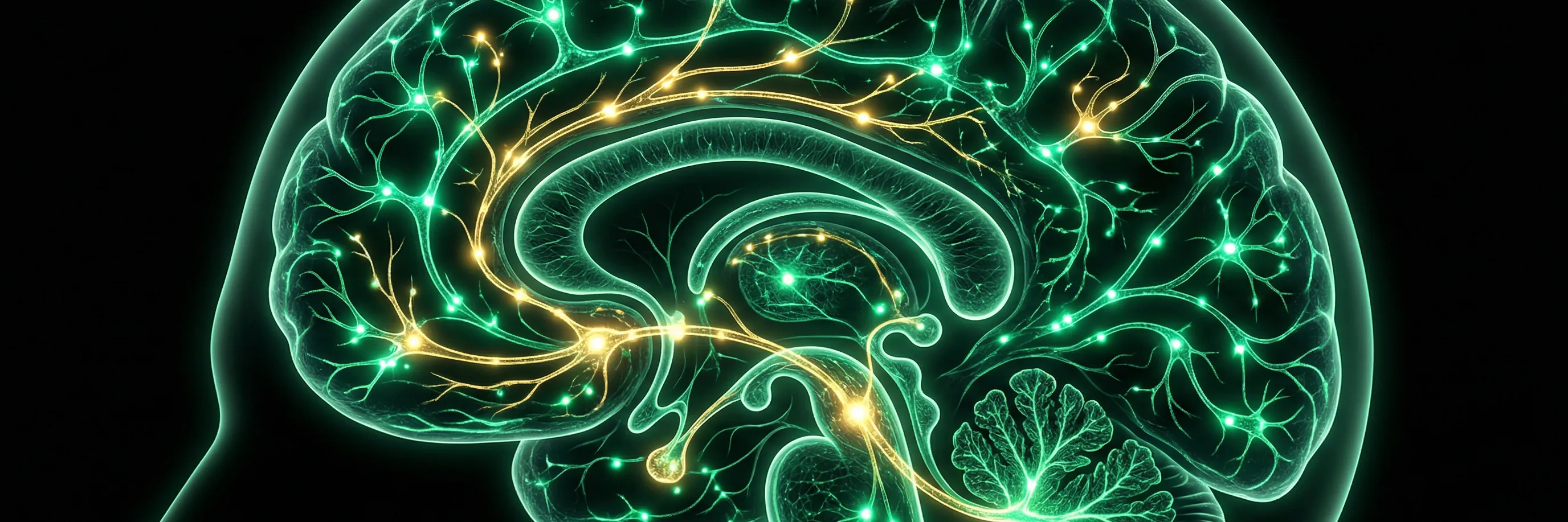
Vid timme 317 av att sluta röka (dag 14) har nikotin helt rensats från din kropp. Hårfollikelåterhämtning: Skalpcirkulationen har förbättrats och ökar näringstillförseln till hårfoliklarna. Återhämtningen sträcker sig till varje vävnad, inklusive de som formar hur du framställer dig för omvärlden. Detta är ett normalt och dokumenterat stadium av nikotinavvänjning.
VAD SOM HÄNDER I DIN KROPP
Skalpcirkulationen har förbättrats och ökar näringstillförseln till hårfoliklarna. Den accelererade hårglesning som associeras med rökinducerad follikulär ischemi upphör. Cigarettrök innehåller över 7000 kemikalier — nikotinet får dig på kroken, men förbränningsprodukterna (tjära, kolmonoxid, formaldehyd, bensen) orsakar mest fysisk skada. När nikotinet försvinner, så gör även den konstanta exponeringen för dessa toxiner.
I detta ögonblick — "Hårfollikelåterhämtning" — är din kropp helt nikotinfri och fokuserad på neurologisk och vävnadsåterhämtning.
Dag 14: 14-dagarsspurten närmar sig fullbordan. Din kropp har gjort anmärkningsvärd framgång: hjärnans receptordensitet normaliserad, kardiovaskulär risk reducerad, lungfunktion förbättrad, immunsystem återställt, DNA-reparation pågående. Det fysiska beroendet är brutet. Din identitet som icke-rökare stärks med varje dag som går. Det svåraste är permanent bakom dig.
HUR DU MÅR
Återhämtningen sträcker sig till varje vävnad, inklusive de som formar hur du framställer dig för omvärlden.
Tidiga morgontimmar är ett högriskfönster för tidigare rökare. "Dagens första cigarett" var ofta den mest psykologiskt förstärkta av alla dagliga rök — kopplad till uppvaknande, kaffe och övergången från sömn till vakenhet. Din hjärna letar efter den signalen just nu. Ersätt den med något fysiskt: sträck dig, stänk kallt vatten i ansiktet, gå ut för frisk luft.
De neurala vägarna som en gång drev dig att tända en cigarett bleknar. Kaffeutlösaren på morgonen, suget efter maten, stressresponsen — alla dessa skrivs över av nya mönster. År av rökning skapade djupt fårade vägar i din hjärna, men fjorton dagar av konsekvent icke-rökning har etablerat konkurrerande vägar som blir starkare varje dag. Du kan fortfarande ha enstaka tankar om rökning, men lägg märke till hur de förändrats: de är tystare, mindre brådskande, mer som minnen än kommandon. Det är skillnaden mellan ett sug och en tanke.
VAD DU SKA GÖRA JUST NU
Ha tålamod med håräterhämtningen — tillväxtcykeln innebär att synlig förbättring tar 3-6 månader, men processen har redan börjat.
Framtidssäkring för rökare: De främsta återfallsutlösarna för tidigare rökare under månader 1-3 är (1) alkoholkonsumtion, särskilt i sociala sammanhang där andra röker, (2) stor livsstress (jobblöshet, relationskonflikter, sorgeprocess), (3) nostalgiskt tänkande ("Jag tyckte faktiskt om att röka" — din hjärna romantiserar beroendet). Ha en plan för varje. 336-appens SOS-funktion tillhandahåller en 60-sekunders andningsövning för sugakutlägen.
Milstolpespårning: Sätt 30 dagar som ditt nästa mål. Vid 30 dagar rökfri har dina lungor gjort betydande framsteg med att rensa tjäravlagringar. Vid 90 dagar har din cirkulation mätbart förbättrats. Vid 1 år minskar din överrisk för kranskärlssjukdom till hälften jämfört med en aktiv rökare.
VAD DU KAN FÖRVÄNTA DIG DENNA TIMME
Under dessa tidiga morgontimmar på dag 14 av att sluta röka är abstinensbesvären relativt hanterbara. Din kropp är helt fri från nikotin — alla kvarvarande besvär är neurologisk anpassning, inte kemisk abstinens. Du har nått fasen Ny baslinje (Dag 11-14). Din hjärna och kropp etablerar sitt nya normaltillstånd utan rökning. Det fysiologiska beroendet är brutet — det som återstår är att bygga vanorna och identiteten i ditt rökfria liv.
KROPPSFÖRÄNDRINGAR
Nikotinnivå: 0% — helt eliminerat från ditt blod. Din kropp uppnådde fullständig nikotinrensning vid timme 72.
Dina lungcilier — de små hårliknande strukturerna som förlamades av cigarettrök — regenererar och börjar svepa ut ackumulerad tjära och skräp från dina luftvägar. Det är därför du kan hosta mer: det är ett tecken på läkning, inte skada.
VANLIGA FRÅGOR
Är det normalt att känna så här 317 timmar efter att ha slutat röka?
Ja. Vid timme 317 (dag 14) är din kropp helt fri från nikotin och genomgår neurologisk anpassning. De besvär du upplever — som är låga i detta skede — är en dokumenterad del av nikotinavvänjning och de kommer att försvinna.
Är jag säker från återfall efter 14 dagar utan rökning?
Efter 14 dagar är ditt fysiologiska beroende i stor utsträckning brutet — hjärnans receptordensitet närmar sig icke-rökarens baslinje. Men återfallsrisken sjunker inte till noll. De mest riskfyllda momenten nästa månad är alkoholkonsumtion, extrem stress och nostalgi för ritualen. Ditt försvar: identitetsengagemang. Du är inte "en person som slutat röka" — du är "en person som inte röker."
Få timme-för-timme-vägledning, push-notisbriefingar och ljudcoachning levererat till din telefon.