HOUR 315 OF 336Vessel Repair Crews Deployed
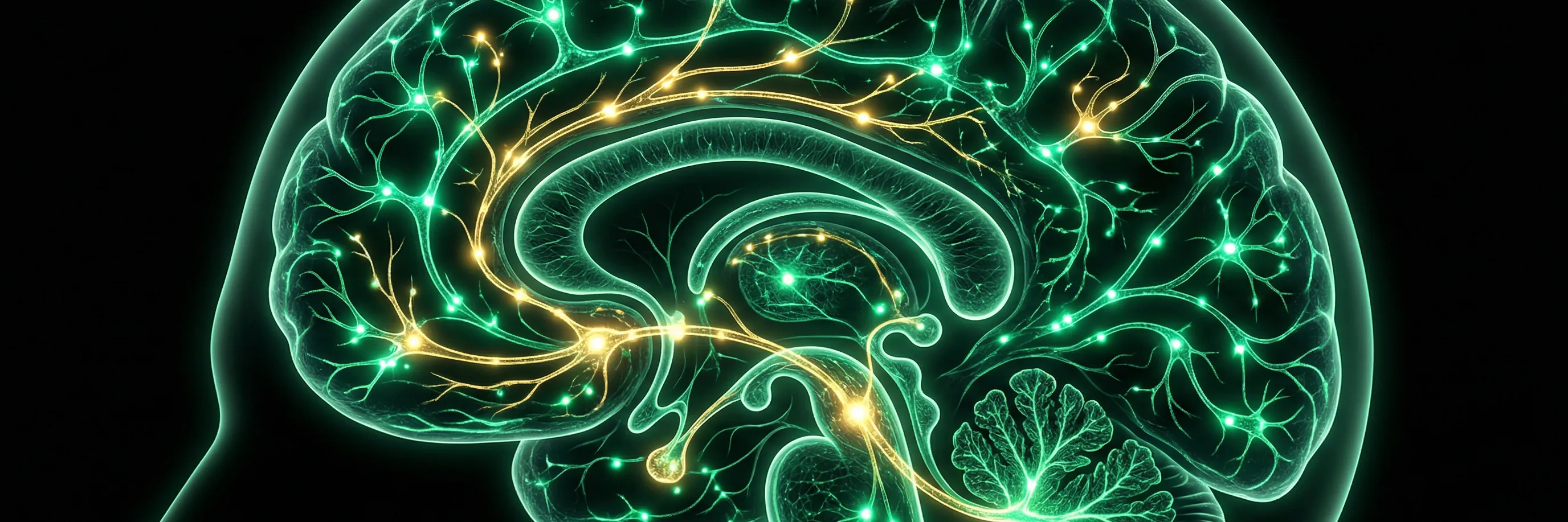
At hour 315 of quitting smoking (day 14), nicotine has been completely cleared from your body. Vessel Repair Crews Deployed: circulating endothelial progenitor cells, depleted by years of smoking, are increasing again. These bone marrow-derived cells rebuild the vessel lining that cigarette smoke stripped and scarred. Two weeks without combustion products moved your body from patching damage to regenerating tissue. This is a normal and documented stage of smoking withdrawal.
WHAT'S HAPPENING IN YOUR BODY
Circulating endothelial progenitor cells, depleted during smoking, are increasing. These bone marrow-derived cells are critical for vascular repair and neovascularization of damaged endothelium. Cigarette smoke contains over 7,000 chemicals — the nicotine is what hooks you, but the combustion byproducts (tar, carbon monoxide, formaldehyde, benzene) are what cause the most physical damage. As nicotine clears, so does the constant exposure to these toxins.
At this moment — "Endothelial Progenitor Cells" — your body is completely nicotine-free and focused on neurological and tissue recovery.
Day 14: the 14-day sprint is approaching completion. Your body has made remarkable progress: brain receptor density normalized, cardiovascular risk reduced, lung function improved, immune system restored, DNA repair ongoing. The physical addiction is broken. Your identity as a non-smoker is solidifying with each passing day. The hardest part is permanently behind you.
HOW YOU'RE FEELING
The body is deploying stem cell populations to repair vascular damage — regeneration at the deepest cellular level.
Early morning is a high-risk window for former smokers. The "first cigarette of the day" was often the most psychologically reinforced of all daily smokes — paired with waking up, coffee, and the transition from sleep to alertness. Your brain is looking for that signal right now. Replace it with something physical: stretch, splash cold water on your face, step outside for fresh air.
The neural pathways that once drove you to light a cigarette are fading. The morning coffee trigger, the post-meal urge, the stress response — all of these are being overwritten by new patterns. Years of smoking created deeply grooved pathways in your brain, but fourteen days of consistent non-smoking have established competing pathways that grow stronger every day. You may still have occasional thoughts about smoking, but notice how they've changed: they're quieter, less urgent, more like memories than commands. That's the difference between a craving and a thought.
WHAT TO DO RIGHT NOW
Regular moderate exercise increases circulating endothelial progenitor cells — plan a 30-minute walk or jog for today.
Future-proofing for smokers: The top relapse triggers for former smokers in months 1-3 are (1) drinking alcohol, especially in social settings where others smoke, (2) major life stress (job loss, relationship conflict, bereavement), (3) nostalgic thinking ("I actually enjoyed smoking" — your brain is romanticizing the addiction). Have a plan for each. The 336 app's SOS feature provides a 60-second breathing exercise for craving emergencies.
Milestone tracking: Set 30 days as your next target. At 30 days smoke-free, your lungs have made significant progress in clearing tar deposits. At 90 days, your circulation has measurably improved. At 1 year, your excess risk of coronary heart disease drops to half that of a current smoker.
WHAT TO EXPECT THIS HOUR
In these early morning hours on day 14 of quitting smoking, withdrawal symptoms are relatively manageable. Your body is completely free of nicotine — all remaining symptoms are neurological adaptation, not chemical withdrawal. You've reached the New Baseline phase (Days 11-14). Cold hands and feet, one of the more stubborn souvenirs of smoking, should be less common now that your vessels are no longer clamped by every cigarette. Today's job is not endurance. It is repetition: get through the day's smoking cues exactly as you have for thirteen days.
BODY CHANGES
Nicotine level: 0% — completely cleared from your bloodstream. Your body achieved full nicotine clearance at hour 72.
Your lung cilia — the tiny hair-like structures that were paralyzed by cigarette smoke — are regenerating and beginning to sweep accumulated tar and debris out of your airways. This is why you may be coughing more: it's a sign of healing, not damage.
FREQUENTLY ASKED QUESTIONS
Is it normal to feel this way 315 hours after quitting smoking?
Yes. At hour 315 (day 14), your body is nicotine-free and rebuilding tissue rather than fighting withdrawal. Symptoms are low. Any craving that appears now is cue-based and short — three to five minutes at the outside.
Has smoking permanently damaged my blood vessels?
Not entirely. Your vessel lining is actively repairing, and the excess coronary heart disease risk that smoking gave you is roughly halved at one year off cigarettes. Some damage from long-term smoking is durable, but the trajectory reversed the day you stopped.
Why are my hands warmer than they were when I smoked?
Every cigarette constricted your peripheral blood vessels for a stretch of time afterward. Without that repeated constriction, and with carbon monoxide gone since day one, blood reaches your fingers and toes normally again.
Get hour-by-hour guidance, push notification briefings, and audio coaching delivered to your phone.