HEURE 330 SUR 336Tonus du sphincter œsophagien normalisé
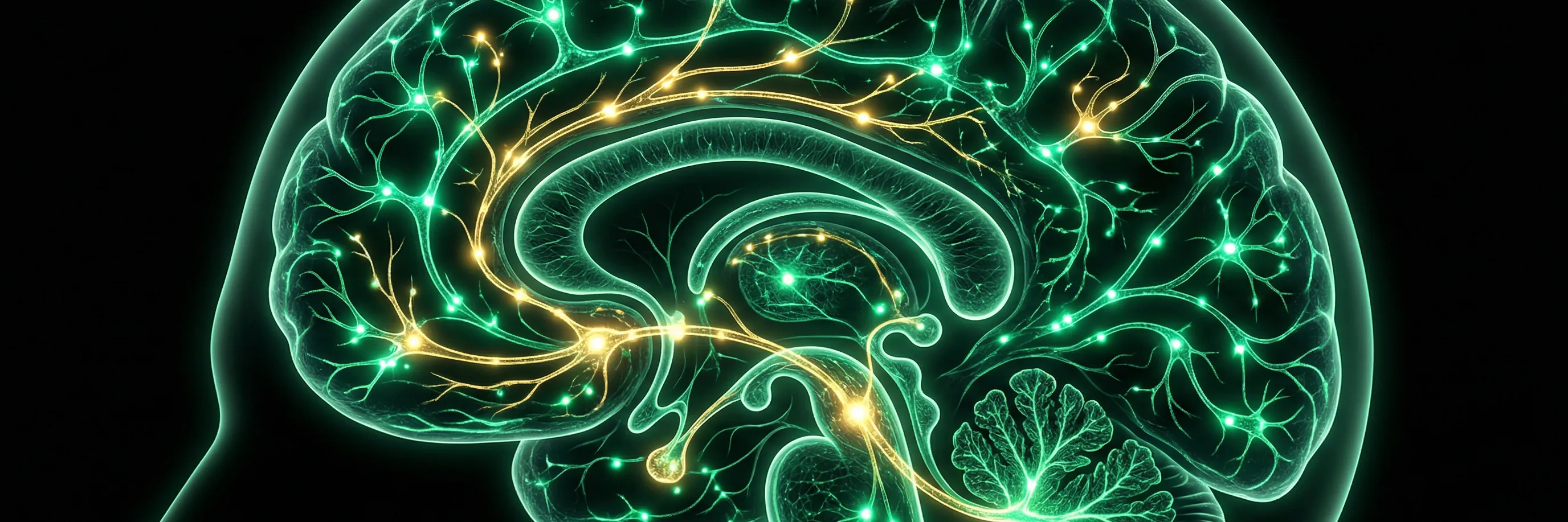
À l'heure 330 d'arrêt du tabac (jour 14), la nicotine a été complètement éliminée de votre organisme. Tonus du sphincter œsophagien normalisé : Le tonus du sphincter œsophagien inférieur, réduit par l'effet relaxant de la nicotine sur les muscles lisses, s'est normalisé. Le confort digestif s'améliore — les brûlures d'estomac et le reflux acide que le tabagisme exacerbait s'atténuent. C'est une étape normale et documentée du sevrage tabagique.
CE QUI SE PASSE DANS VOTRE CORPS
Le tonus du sphincter œsophagien inférieur, réduit par l'effet relaxant de la nicotine sur les muscles lisses, s'est normalisé. La fréquence du reflux gastro-œsophagien diminue alors que la barrière anti-reflux se renforce. La fumée de cigarette contient plus de 7 000 substances chimiques — la nicotine est ce qui crée la dépendance, mais les sous-produits de combustion (goudron, monoxyde de carbone, formaldéhyde, benzène) sont ce qui causent le plus de dommages physiques. Quand la nicotine s'évacue, l'exposition constante à ces toxines également.
En ce moment — « Tonus du sphincter œsophagien normalisé » — votre corps est complètement libre de nicotine et se concentre sur la récupération neurologique et tissulaire.
Jour 14 : le sprint de 14 jours approche de son terme. Votre corps a fait des progrès remarquables : densité des récepteurs cérébraux normalisée, risque cardiovasculaire réduit, fonction pulmonaire améliorée, système immunitaire restauré, réparation de l'ADN en cours. L'addiction physique est brisée. Votre identité de non-fumeur se solidifie chaque jour qui passe. Le plus dur est définitivement derrière vous.
CE QUE VOUS RESSENTEZ
Le confort digestif s'améliore — les brûlures d'estomac et le reflux acide que le tabagisme exacerbait s'atténuent.
L'après-midi était souvent le moment où les fumeurs prenaient leur « cigarette récompense » — une cigarette après déjeuner, une pause dans la journée de travail, un moment de décompression. L'envie que vous ressentez n'est ni de la faim ni de l'ennui ; c'est votre système de récompense qui réclame son apport programmé. Donnez-lui autre chose : une promenade, une conversation, un fruit.
Les voies neurales qui vous poussaient autrefois à allumer une cigarette s'estompent. Le déclencheur du café matinal, l'envie d'après repas, la réponse au stress — tout cela est remplacé par de nouveaux schémas. Des années de tabagisme ont créé des voies profondément ancrées dans votre cerveau, mais quatorze jours d'abstinence constante ont établi des voies concurrentes qui se renforcent chaque jour. Vous pouvez encore avoir des pensées occasionnelles à propos du tabac, mais remarquez comme elles ont changé : elles sont plus silencieuses, moins urgentes, plutôt comme des souvenirs que des ordres. C'est la différence entre une envie et une pensée.
QUE FAIRE MAINTENANT
Si vous souffriez de reflux acide en fumant, surveillez sa fréquence cette semaine — vous pourrez peut-être réduire l'usage d'antiacides.
Anticipation des rechutes : Les principaux facteurs de rechute chez les anciens fumeurs dans les 1-3 premiers mois sont (1) la consommation d'alcool, surtout dans des contextes sociaux où d'autres fument, (2) le stress majeur (perte d'emploi, conflit relationnel, deuil), (3) la pensée nostalgique (« J'aimais vraiment fumer » — votre cerveau romantise l'addiction). Ayez un plan pour chacun. La fonction SOS de l'application 336 propose un exercice de respiration de 60 secondes pour les urgences d'envie.
Suivi des jalons : Fixez-vous 30 jours comme prochain objectif. À 30 jours sans tabac, vos poumons ont fait des progrès significatifs pour éliminer les dépôts de goudron. À 90 jours, votre circulation s'est mesurément améliorée. À 1 an, votre risque excédentaire de maladie coronarienne chute à la moitié de celui d'un fumeur actuel.
À QUOI S'ATTENDRE CETTE HEURE
Cet après-midi du jour 14 d'arrêt du tabac, les symptômes de sevrage sont relativement gérables. Votre corps est complètement libre de nicotine — tous les symptômes restants sont une adaptation neurologique, non un sevrage chimique. Vous avez atteint la phase Nouvelle ligne de base (Jours 11-14). Votre cerveau et votre corps établissent leur nouvelle normalité sans tabac. L'addiction physiologique est brisée — ce qui reste, c'est construire les habitudes et l'identité de votre vie de non-fumeur.
CHANGEMENTS CORPORELS
Niveau de nicotine : 0 % — complètement éliminée de votre circulation sanguine. Votre corps a atteint l'élimination complète de la nicotine à l'heure 72.
Vos cils pulmonaires — les minuscules structures en forme de poils qui étaient paralysées par la fumée de cigarette — se régénèrent et commencent à balayer le goudron et les débris accumulés hors de vos voies respiratoires. C'est pourquoi vous toussez peut-être davantage : c'est un signe de guérison, pas de dommage.
SYMPTÔMES COURANTS AUJOURD'HUI
FOIRE AUX QUESTIONS
Est-il normal de se sentir ainsi 330 heures après l'arrêt du tabac ?
Oui. À l'heure 330 (jour 14), votre corps est complètement libre de nicotine et subit une adaptation neurologique. Les symptômes que vous ressentez — qui sont faibles à ce stade — font partie documentée du sevrage nicotinique et ils passeront.
Suis-je à l'abri d'une rechute après 14 jours sans tabac ?
Après 14 jours, votre addiction physiologique est largement brisée — la densité des récepteurs cérébraux approche la ligne de base d'un non-fumeur. Mais le risque de rechute ne tombe pas à zéro. Les moments les plus risqués du prochain mois sont la consommation d'alcool, le stress extrême et la nostalgie du rituel. Votre défense : l'engagement identitaire. Vous n'êtes pas « une personne qui a arrêté de fumer » — vous êtes « une personne qui ne fume pas ».
Obtenez des conseils heure par heure, des briefings par notifications push, et un accompagnement audio livré sur votre téléphone.