HOUR 336 OF 336336 Hours Cleared
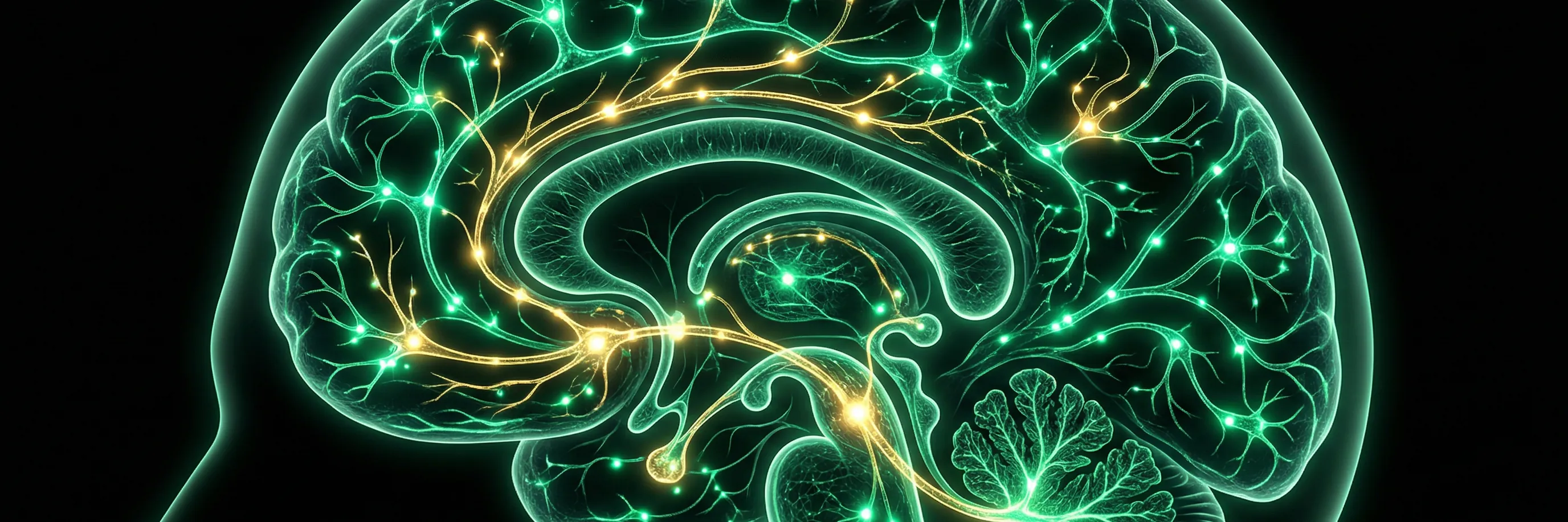
At hour 336 of quitting smoking (day 14), your brain's nicotinic acetylcholine receptor density is well on its way back toward non-smoker levels, a process that continues for several more weeks. The acute physical withdrawal has passed. Carbon monoxide has been absent since day one, your cilia are clearing tar, and taste and smell are back. Two weeks, no cigarettes, and the receptor architecture your smoking built has been dismantled. You are not an ex-smoker managing a habit. You are a person who does not smoke. The sprint is complete.
WHAT'S HAPPENING IN YOUR BODY
Three hundred and thirty-six hours. Fourteen days. Two weeks without a cigarette. The sprint is complete.
The 7,000+ chemicals in cigarette smoke — the tar, the carbon monoxide, the benzene, the formaldehyde, the polonium-210, the N-nitrosamines — have not entered your body in 14 days. Every repair process in your body has been running at full capacity, undivided, for two straight weeks.
HOW YOU'RE FEELING
You are a non-smoker.
Not "a smoker who quit." Not "an ex-smoker trying to stay clean." A non-smoker. The identity shift that started tentatively at hour 72, that strengthened through week one, is now your operating default. When someone offers a cigarette, your response is automatic: "I don't smoke." No internal debate. No negotiation. Statement of fact.
This is what 336 hours of neural rewriting produces. Every trigger you faced — every morning coffee, every work break, every post-meal moment, every stressful phone call, every social gathering — you responded without a cigarette. Each response weakened the smoking pathway and strengthened the non-smoking one. After 336 hours and hundreds of trigger events, the non-smoking pathway is dominant.
For long-term smokers, there may be a moment of quiet disbelief: "I actually did it." The person who smoked a pack a day for 10, 20, 30 years — that person and you are the same person, but the relationship with cigarettes is over. Like any long relationship that ends, there may be moments of nostalgia. A stress trigger that your brain briefly suggests a cigarette for. The smell of smoke on a warm evening. These are memories, not cravings. They have no pharmacological power. Let them surface, acknowledge them, and let them go.
The freedom you feel now — or the quiet normalcy that passes for freedom — is what non-smokers feel all the time. They don't think about not smoking. They just don't smoke. That's your baseline now.
WHAT TO DO RIGHT NOW
The sprint is complete. Here's how to protect everything you've built.
Milestones ahead: Day 30, Day 90, Day 365. At 30 days, lung function improvement accelerates. By 90 days, cilia have substantially cleared the tar backlog, and the risk of going back keeps falling the longer you stay quit. At 1 year, your excess coronary heart disease risk is halved. At 5 years, your stroke risk equals that of a non-smoker. At 10-15 years, your lung cancer risk approaches (though may never fully reach) non-smoker levels.
The three relapse danger zones in months 1-3:
1. Alcohol. It lowers inhibition and often occurs in social settings where others smoke. The combination is the #1 relapse trigger. Before your next social drinking occasion: set a limit, tell your companion you don't smoke, have an exit plan.
2. Major life stress. Job loss, breakup, bereavement, financial crisis — these activate the cortisol pathways that smoking once modulated. You need a pre-planned response for "the worst day": call your support person, exercise hard, use the 4-7-8 breathing technique. The crisis will pass. Smoking won't help the crisis — it will add addiction back on top of it.
3. Nostalgia. Your brain will romanticize smoking. It will remember the pleasant first drag, the social bonding, the stress relief — while conveniently forgetting the coughing, the expense, the smell, the health damage, the 72 hours of hell you just went through. One cigarette re-sensitizes receptors within minutes. There is no "just one."
What you've accomplished in 336 hours: cleared nicotine, cleared carbon monoxide, normalized blood pressure and heart rate, restored oxygen transport, begun arterial healing, regenerated nerve endings and taste buds, reactivated lung cilia, normalized receptor density, restored dopamine independence, rebuilt sleep architecture, and established a non-smoking identity.
That's what you're protecting. It's worth protecting.
The sprint is over. Go live as a non-smoker.
WHAT TO EXPECT THIS HOUR
As the evening progresses on day 14 of quitting smoking, this hour is a milestone rather than a symptom. Your body is completely free of nicotine — all remaining symptoms are neurological adaptation, not chemical withdrawal. You've reached the end of the New Baseline phase (Days 11-14). Expect the finish to feel quieter than you imagined; the loud part was days one through three. From here the work changes shape: no more countdown, just the ordinary business of being someone who does not smoke, in the same places where you used to.
BODY CHANGES
Nicotine level: 0% — completely cleared from your bloodstream. Your body achieved full nicotine clearance at hour 72.
Your lung cilia — the tiny hair-like structures that were paralyzed by cigarette smoke — are regenerating and beginning to sweep accumulated tar and debris out of your airways. This is why you may be coughing more: it's a sign of healing, not damage.
COMMON SYMPTOMS TODAY
FREQUENTLY ASKED QUESTIONS
Is it normal to feel this way 336 hours after quitting smoking?
Yes. At hour 336 (day 14), your body is completely free of nicotine and receptor density is well on its way back toward non-smoker levels, a process that continues for several more weeks. Feeling underwhelmed at the finish is normal — the physical drama ended in the first seventy-two hours. Any craving now is rare, cue-based, and gone in three to five minutes.
What's the significance of reaching 336 hours (day 14) without smoking?
Hour 336 completes the sprint. Brain receptor density is moving back toward non-smoker levels, a process that takes several more weeks, and the acute chemical withdrawal has passed. Reaching day 14 substantially improves your odds of staying stopped for good — but it settles the chemistry, not the habit.
What now — how do I stay off cigarettes for good?
Honestly: the late traps are alcohol, acute stress, other smokers, and nostalgia for the ritual — plus the “just one, I've proved I can stop” thought, which is how most completed quits end. Keep no cigarettes in the house or car, keep the sentence “I don't smoke” in the present tense, and re-plan for the first wedding, long drive, or bad week you meet. Meanwhile the body keeps paying you: lungs clearing through the first month, lung function markedly better by three months, excess heart-disease risk roughly halved at one year.
Get hour-by-hour guidance, push notification briefings, and audio coaching delivered to your phone.

