DAY 13 OF 14New Baseline
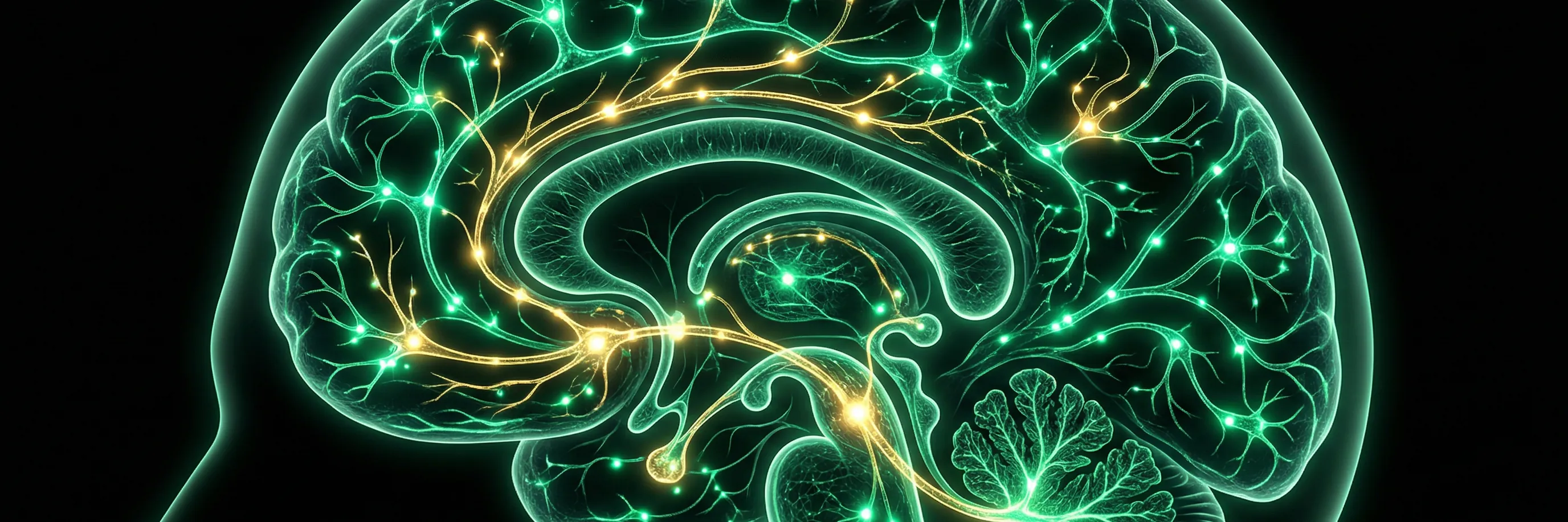
On day 13 of quitting smoking, acute withdrawal has resolved for most people. Your airway cilia are roughly three-quarters back, your voice is losing its rasp, skin colour and warm hands are returning, and artery damage has stopped advancing. Cravings are rare and mostly situational. The useful work today is planning the weeks after day 14, when cue cravings can still appear.
What is happening in your body today
Cilia in your windpipe and bronchi have recovered to about three-quarters of non-smoker levels and are beating at a normal rate. Swelling of the vocal cords caused by smoke is resolving, so your voice may sound clearer. Your airways react less to cold air and dust, and your eyes are recovering from smoke irritation. Blood is thinner, circulation to your hands and face is better, and smoker's pallor is fading.
Adiponectin, an anti-inflammatory hormone that smoking suppressed, is climbing back, which improves how your body handles sugar. Inflammation markers continue to fall, and cells are correcting damage caused by tobacco. In your brain, the non-smoker wiring is holding: idle moments, which used to be filled with a cigarette, are becoming ordinary pauses.
What you will probably feel
- Long quiet stretches. Whole days may pass without a meaningful craving, which can make the next one feel surprising.
- Boredom urges. Idle moments, waiting or the end of a task can still prompt a brief reach for a cigarette.
- Better exercise tolerance. You have more breath for activity than at any point while smoking.
- Hunger. Appetite is still higher than before you quit, though hunger signals are settling.
What helps today
- Write a plan for week 3. List the events in the next month that involve alcohol, travel, stress or smokers, and decide in advance how you will handle each.
- Fill idle moments. Keep something for your hands and mind during waits: a book, a puzzle, a short walk.
- Do not blame a cold on quitting. If you catch a cold, it is a coincidence. Your immune system is better equipped to clear it now than when you smoked.
- Mark the milestone sensibly. Celebrate 300 hours with something that has nothing to do with standing outside where you used to smoke.
DAY 13 · WATCH
Day 13 Quitting Cold Turkey: One Day from the Finish — What Your Body Has Built
MILESTONES TODAY
COMMON SYMPTOMS TODAY
1 AUDIO BRIEFING TODAY
Hours with audio: H312
ALL 24 HOURS
FREQUENTLY ASKED QUESTIONS
What happens after 3 weeks of not smoking?
By three weeks, most physical withdrawal is long gone, lung function and circulation keep improving, and cravings are infrequent. Cue-driven urges can still surface at parties, during stress or on holidays, and your brain receptors continue normalizing for roughly 6 to 12 weeks. A productive cough in heavy smokers may continue for a few more weeks.
Why do I feel worse two weeks into quitting, with a cough or cold?
A cough in week 2 often reflects your lungs still clearing mucus, which is healing rather than harm. Catching a cold around now is usually coincidence, not a result of quitting. If you have a fever, coughing up blood, chest pain or breathlessness that is getting worse, see a doctor.
Does drinking water help remove nicotine?
Not in any meaningful way. Your liver breaks nicotine down and your kidneys clear the products at their own pace. By day 13 there is no nicotine left to flush: nicotine itself is gone within the first day and cotinine reaches background around hour 124. Water still helps with mucus, appetite and energy.
What happens after 14 days of quitting smoking?
After 14 days, acute withdrawal has ended, your airway cleaning system is largely restored, stress hormones are close to your own baseline and breathing and circulation are clearly better. Physical cravings are gone, but situational cravings can still occur for weeks or months, and the brain needs several more weeks to fully normalize.
Get hour-by-hour guidance, push notification briefings, and audio coaching delivered to your phone.

