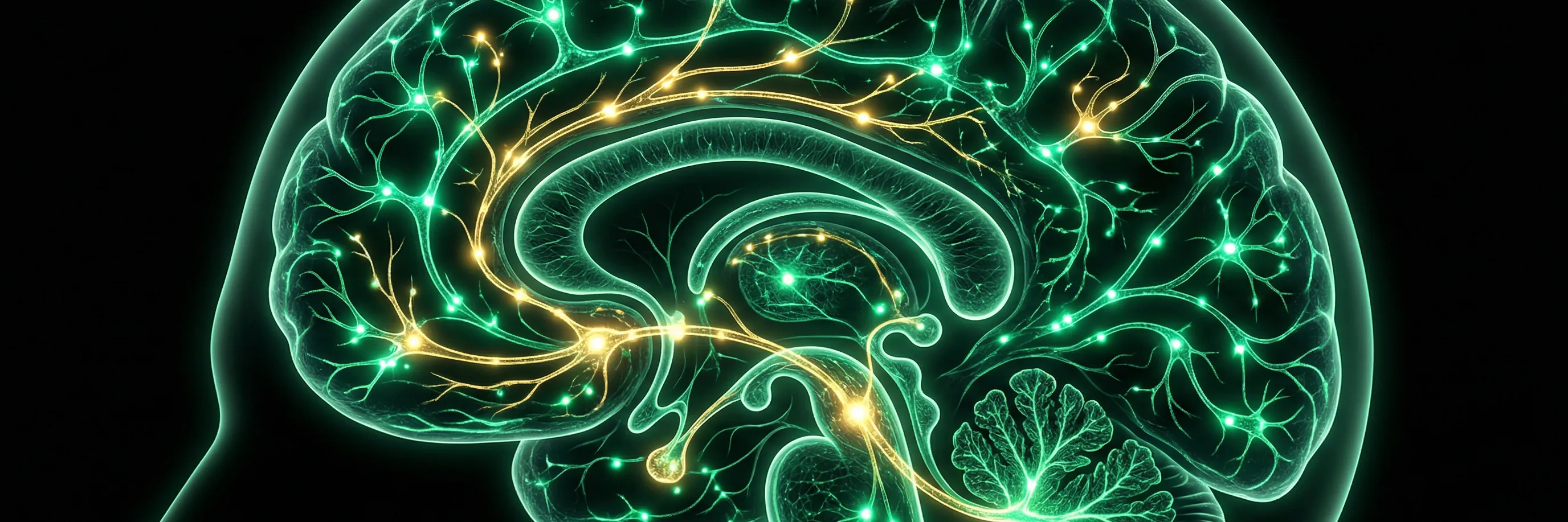
HOUR 298 OF 336DNA Repair Mechanisms Active

At hour 298 of quitting smoking (day 13), nicotine has been completely cleared from your body. DNA Repair Mechanisms Active: DNA repair enzyme systems, including base excision repair and nucleotide excision repair, are functioning at full capacity without the constant burden of tobacco-carcinogen-induced mutations. At the cellular level, your body is correcting genetic damage that accumulated during smoking — a profound form of self-repair. This is a normal and documented stage of smoking withdrawal.
WHAT'S HAPPENING IN YOUR BODY
DNA repair enzyme systems, including base excision repair and nucleotide excision repair, are functioning at full capacity without the constant burden of tobacco-carcinogen-induced mutations. Cigarette smoke contains over 7,000 chemicals — the nicotine is what hooks you, but the combustion byproducts (tar, carbon monoxide, formaldehyde, benzene) are what cause the most physical damage. As nicotine clears, so does the constant exposure to these toxins.
At this moment — "DNA Repair Mechanisms Active" — your body is completely nicotine-free and focused on neurological and tissue recovery.
Day 13: arterial elasticity continues improving. The chronic vascular stiffness caused by years of smoking-induced endothelial damage is reversing. Your risk of coronary events has dropped measurably since day 1. Lung function continues its upward trajectory. The productive cough, if it was present, is likely resolving as your airways clear the backlog of tar and particulate.
HOW YOU'RE FEELING
At the cellular level, your body is correcting genetic damage that accumulated during smoking — a profound form of self-repair.
Morning hours carry heavy trigger load for smokers — the commute, the work break, the mid-morning coffee. Each of these was a smoking ritual. Today, each one you pass through without a cigarette weakens the association. It doesn't feel like progress, but it is.
The neural pathways that once drove you to light a cigarette are fading. The morning coffee trigger, the post-meal urge, the stress response — all of these are being overwritten by new patterns. Years of smoking created deeply grooved pathways in your brain, but fourteen days of consistent non-smoking have established competing pathways that grow stronger every day. You may still have occasional thoughts about smoking, but notice how they've changed: they're quieter, less urgent, more like memories than commands. That's the difference between a craving and a thought.
WHAT TO DO RIGHT NOW
Reduce processed meat and alcohol this week to minimize additional DNA damage while your repair systems catch up on their backlog.
Future-proofing for smokers: The top relapse triggers for former smokers in months 1-3 are (1) drinking alcohol, especially in social settings where others smoke, (2) major life stress (job loss, relationship conflict, bereavement), (3) nostalgic thinking ("I actually enjoyed smoking" — your brain is romanticizing the addiction). Have a plan for each. The 336 app's SOS feature provides a 60-second breathing exercise for craving emergencies.
Milestone tracking: Set 30 days as your next target. At 30 days smoke-free, your lungs have made significant progress in clearing tar deposits. At 90 days, your circulation has measurably improved. At 1 year, your excess risk of coronary heart disease drops to half that of a current smoker.
WHAT TO EXPECT THIS HOUR
During this morning stretch on day 13 of quitting smoking, withdrawal symptoms are relatively manageable. Your body is completely free of nicotine — all remaining symptoms are neurological adaptation, not chemical withdrawal. You've reached the New Baseline phase (Days 11-14). Your brain and body are establishing their new normal without smoking. The physiological addiction is broken — what remains is building the habits and identity of your non-smoking life.
BODY CHANGES
Nicotine level: 0% — completely cleared from your bloodstream. Your body achieved full nicotine clearance at hour 72.
Your lung cilia — the tiny hair-like structures that were paralyzed by cigarette smoke — are regenerating and beginning to sweep accumulated tar and debris out of your airways. This is why you may be coughing more: it's a sign of healing, not damage.
FREQUENTLY ASKED QUESTIONS
Is it normal to feel this way 298 hours after quitting smoking?
Yes. At hour 298 (day 13), your body is completely free of nicotine and undergoing neurological adaptation. The symptoms you're experiencing — which are low at this stage — are a documented part of nicotine withdrawal and they will pass.
Am I safe from relapse after 13 days without smoking?
After 13 days, your physiological addiction is largely broken — brain receptor density is approaching non-smoker baseline. But relapse risk doesn't drop to zero. The highest-risk moments in the next month are alcohol consumption, extreme stress, and nostalgia for the ritual. Your defense: identity commitment. You're not "a person who quit smoking" — you're "a person who doesn't smoke."