HOUR 296 OF 336Food Tastes Like Food
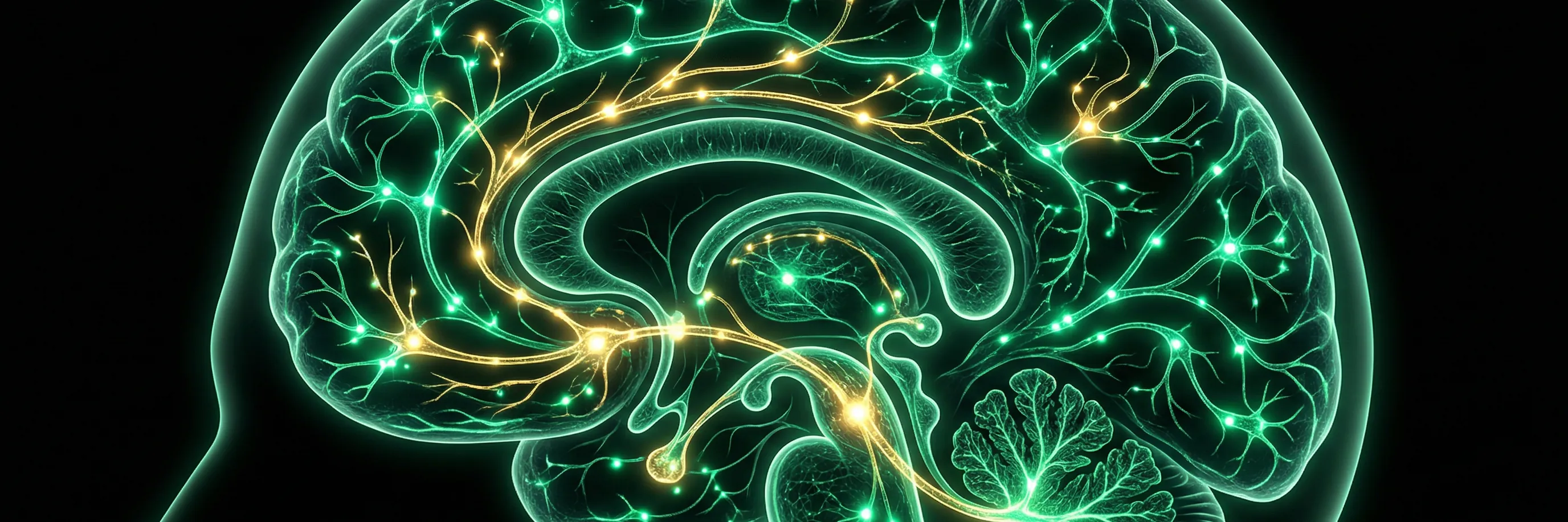
At hour 296 of quitting smoking (day 13), nicotine has been completely cleared from your body. Food Tastes Like Food: gustatory receptor cells on the tongue are approaching non-smoker sensitivity. Tar coated your taste buds and smoke dulled every threshold. Thirteen days on, meals deliver flavour you have not registered in years — and reliable rewards are what hold a quit together. This is a normal and documented stage of smoking withdrawal.
WHAT'S HAPPENING IN YOUR BODY
Gustatory receptor cells on the tongue are approaching non-smoker sensitivity. Taste thresholds for sweet, salty, bitter, sour, and umami have measurably decreased, enabling detection of subtler flavors. Cigarette smoke contains over 7,000 chemicals — the nicotine is what hooks you, but the combustion byproducts (tar, carbon monoxide, formaldehyde, benzene) are what cause the most physical damage. As nicotine clears, so does the constant exposure to these toxins.
At this moment — "Taste Receptor Sensitivity" — your body is completely nicotine-free and focused on neurological and tissue recovery.
Day 13: arterial elasticity continues improving. The chronic vascular stiffness caused by years of smoking-induced endothelial damage is reversing. Your risk of coronary events has dropped measurably since day 1. Lung function continues its upward trajectory. The productive cough, if it was present, is likely resolving as your airways clear the backlog of tar and particulate.
HOW YOU'RE FEELING
Food is becoming a reliable source of pleasure again — a healthy reward that reinforces the cessation pathway.
Morning hours carry heavy trigger load for smokers — the commute, the work break, the mid-morning coffee. Each of these was a smoking ritual. Today, each one you pass through without a cigarette weakens the association. It doesn't feel like progress, but it is.
The neural pathways that once drove you to light a cigarette are fading. The morning coffee trigger, the post-meal urge, the stress response — all of these are being overwritten by new patterns. Years of smoking created deeply grooved pathways in your brain, but fourteen days of consistent non-smoking have established competing pathways that grow stronger every day. You may still have occasional thoughts about smoking, but notice how they've changed: they're quieter, less urgent, more like memories than commands. That's the difference between a craving and a thought.
WHAT TO DO RIGHT NOW
Prepare a meal from scratch today using fresh herbs and spices — taste the nuances your recovered palate can now detect.
Future-proofing for smokers: The top relapse triggers for former smokers in months 1-3 are (1) drinking alcohol, especially in social settings where others smoke, (2) major life stress (job loss, relationship conflict, bereavement), (3) nostalgic thinking ("I actually enjoyed smoking" — your brain is romanticizing the addiction). Have a plan for each. The 336 app's SOS feature provides a 60-second breathing exercise for craving emergencies.
Milestone tracking: Set 30 days as your next target. At 30 days smoke-free, your lungs have made significant progress in clearing tar deposits. At 90 days, your circulation has measurably improved. At 1 year, your excess risk of coronary heart disease drops to half that of a current smoker.
WHAT TO EXPECT THIS HOUR
During this morning stretch on day 13 of quitting smoking, symptoms are manageable. Nicotine has been at zero since hour 72. You've reached the New Baseline phase (Days 11-14). Use the returned senses deliberately today — cook something you would have smoked through, and eat it without going outside afterwards. The post-meal cigarette is one of the last cues to break, and it breaks by being replaced.
BODY CHANGES
Nicotine level: 0% — completely cleared from your bloodstream. Your body achieved full nicotine clearance at hour 72.
Your lung cilia — the tiny hair-like structures that were paralyzed by cigarette smoke — are regenerating and beginning to sweep accumulated tar and debris out of your airways. This is why you may be coughing more: it's a sign of healing, not damage.
COMMON SYMPTOMS TODAY
FREQUENTLY ASKED QUESTIONS
Is it normal to feel this way 296 hours after quitting smoking?
Yes. At hour 296 (day 13), your body is completely free of nicotine and undergoing neurological adaptation. Symptoms are low at this stage, and sharper taste and smell are among the most commonly reported day-13 changes.
Why do I still want a cigarette right after eating?
Because the after-meal cigarette was one of the most heavily rehearsed cues you had, repeated several times a day for years. It is cue-based, not chemical — it arrives, peaks, and passes within three to five minutes. Get up and clear the table through it and it weakens every time.
Will my sense of smell come back too?
It largely does, on the same timeline as taste. The first sign for most ex-smokers is noticing that stale smoke on clothes, in cars, and on other smokers is now obvious and unpleasant — a smell your own habit had made invisible.
Get hour-by-hour guidance, push notification briefings, and audio coaching delivered to your phone.

