ЧАС 290 ИЗ 336Регенерация клеток Клара
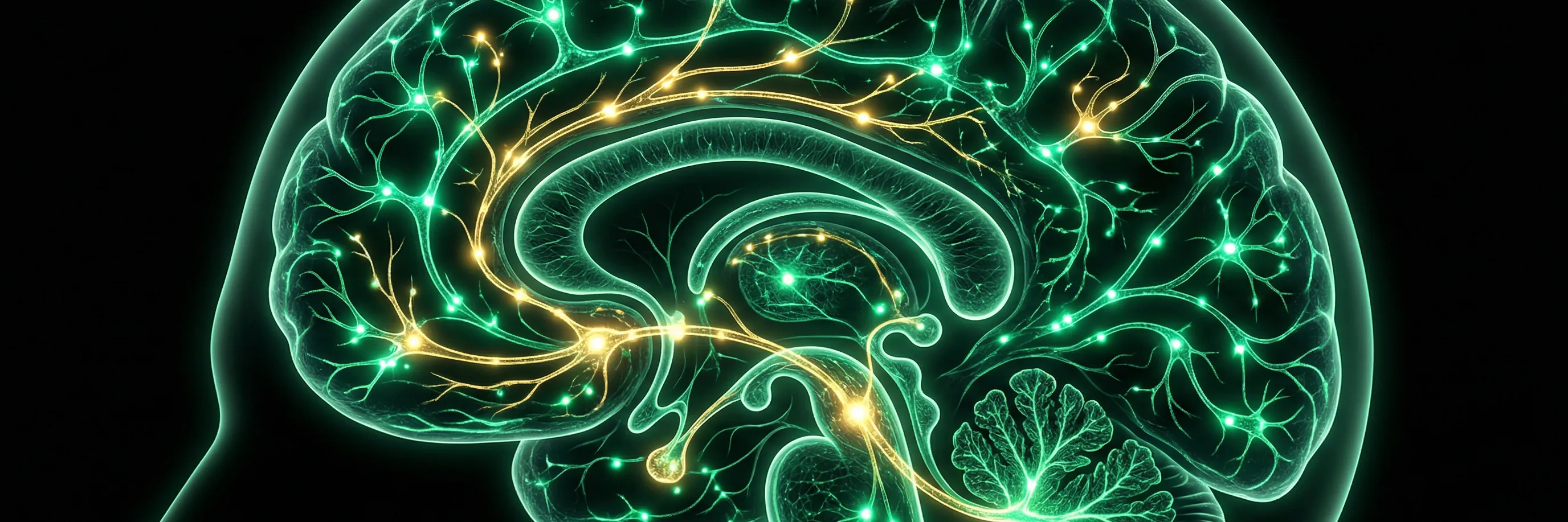
На 290-м часе отказа от курения (13-й день) никотин полностью выведен из вашего организма. Регенерация клеток Клара: булавовидные клетки (ранее клетки Клара) в бронхиолярном эпителии регенерируют. Легкие восстанавливают свои химические защитные системы — защиту, которая работает с каждым вдохом, без сознательных усилий. Это нормальная и документированно подтвержденная стадия синдрома отмены курения.
ЧТО ПРОИСХОДИТ В ВАШЕМ ОРГАНИЗМЕ
Булавовидные клетки (ранее клетки Клара) в бронхиолярном эпителии регенерируют. Эти секреторные клетки производят белки, которые защищают выстилку дыхательных путей и детоксифицируют вдыхаемые вещества. Сигаретный дым содержит более 7000 химических веществ — никотин вызывает привыкание, но продукты горения (смолы, угарный газ, формальдегид, бензол) наносят наибольший физический вред. По мере выведения никотина прекращается и постоянное воздействие этих токсинов.
В данный момент — «Регенерация клеток Клара» — ваш организм полностью свободен от никотина и сосредоточен на неврологическом восстановлении и регенерации тканей.
День 13: эластичность артерий продолжает улучшаться. Хроническая сосудистая жесткость, вызванная годами курительного повреждения эндотелия, обращается вспять. Ваш риск коронарных событий измеримо снизился с первого дня. Функция легких продолжает восходящую траекторию. Продуктивный кашель, если он присутствовал, вероятно, разрешается по мере очищения дыхательных путей от накопившихся смол и частиц.
ЧТО ВЫ ЧУВСТВУЕТЕ
Легкие восстанавливают свои химические защитные системы — защиту, которая работает с каждым вдохом, без сознательных усилий.
Раннее утро — это окно повышенного риска для бывших курильщиков. «Первая сигарета дня» часто была психологически самой закрепленной из всех ежедневных выкуренных сигарет — связанной с пробуждением, кофе и переходом от сна к бодрствованию. Ваш мозг ищет этот сигнал прямо сейчас. Замените его чем-то физическим: потянитесь, сполосните лицо холодной водой, выйдите на свежий воздух.
Нейронные пути, которые когда-то заставляли вас закуривать, угасают. Триггер утреннего кофе, позыв после еды, стрессовая реакция — все это переписывается новыми паттернами. Годы курения создали глубоко проложенные пути в вашем мозге, но четырнадцать дней последовательного некурения установили конкурирующие пути, которые становятся сильнее с каждым днем. У вас все еще могут быть случайные мысли о курении, но заметьте, как они изменились: они стали тише, менее настойчивы, больше похожи на воспоминания, чем на команды. В этом разница между тягой и мыслью.
ЧТО ДЕЛАТЬ ПРЯМО СЕЙЧАС
Фанатично избегайте воздействия пассивного курения — ваши заживающие дыхательные пути более восприимчивы к повторному повреждению в этой фазе регенерации.
Защита от будущих рецидивов для курильщиков: основными триггерами рецидива для бывших курильщиков в первые 1-3 месяца являются (1) употребление алкоголя, особенно в социальных ситуациях, где другие курят, (2) серьезный жизненный стресс (потеря работы, конфликт в отношениях, утрата), (3) ностальгические мысли («мне на самом деле нравилось курить» — ваш мозг романтизирует зависимость). Имейте план для каждого случая. SOS-функция приложения 336 предоставляет 60-секундное дыхательное упражнение для экстренных случаев тяги.
Отслеживание этапов: установите 30 дней как вашу следующую цель. Через 30 дней без курения ваши легкие добьются значительного прогресса в очищении от смолистых отложений. Через 90 дней ваше кровообращение измеримо улучшится. Через 1 год ваш избыточный риск ишемической болезни сердца снизится вдвое по сравнению с курящим человеком.
ЧТО ОЖИДАТЬ В ЭТОТ ЧАС
В эти ранние утренние часы 13-го дня отказа от курения симптомы отмены относительно управляемы. Ваш организм полностью свободен от никотина — все остающиеся симптомы представляют собой неврологическую адаптацию, а не химическую отмену. Вы достигли фазы Новой базовой линии (дни 11-14). Ваш мозг и тело устанавливают новую норму без курения. Физиологическая зависимость сломлена — остается построить привычки и идентичность вашей некурящей жизни.
ИЗМЕНЕНИЯ В ОРГАНИЗМЕ
Уровень никотина: 0% — полностью выведен из кровотока. Ваш организм достиг полного очищения от никотина на 72-м часе.
Ваши легочные реснички — крошечные волосоподобные структуры, которые были парализованы сигаретным дымом, — регенерируют и начинают выметать накопившиеся смолы и мусор из ваших дыхательных путей. Вот почему вы можете кашлять больше: это признак заживления, а не повреждения.
ЧАСТЫЕ СИМПТОМЫ СЕГОДНЯ
ЧАСТО ЗАДАВАЕМЫЕ ВОПРОСЫ
Нормально ли чувствовать себя так через 290 часов после отказа от курения?
Да. На 290-м часе (13-й день) ваш организм полностью свободен от никотина и проходит неврологическую адаптацию. Симптомы, которые вы испытываете — а на этой стадии они слабые — представляют собой документированно подтвержденную часть синдрома отмены никотина, и они пройдут.
Безопасен ли я от рецидива после 13 дней без курения?
После 13 дней ваша физиологическая зависимость в значительной степени сломлена — плотность мозговых рецепторов приближается к базовому уровню некурящего. Но риск рецидива не падает до нуля. Моменты наивысшего риска в следующем месяце — это употребление алкоголя, экстремальный стресс и ностальгия по ритуалу. Ваша защита: приверженность идентичности. Вы не «человек, который бросил курить» — вы «человек, который не курит».
Получайте почасовое руководство, уведомления с инструктажем и аудио-коучинг прямо на свой телефон.