ЧАС 295 ИЗ 336Восстановление когнитивной гибкости
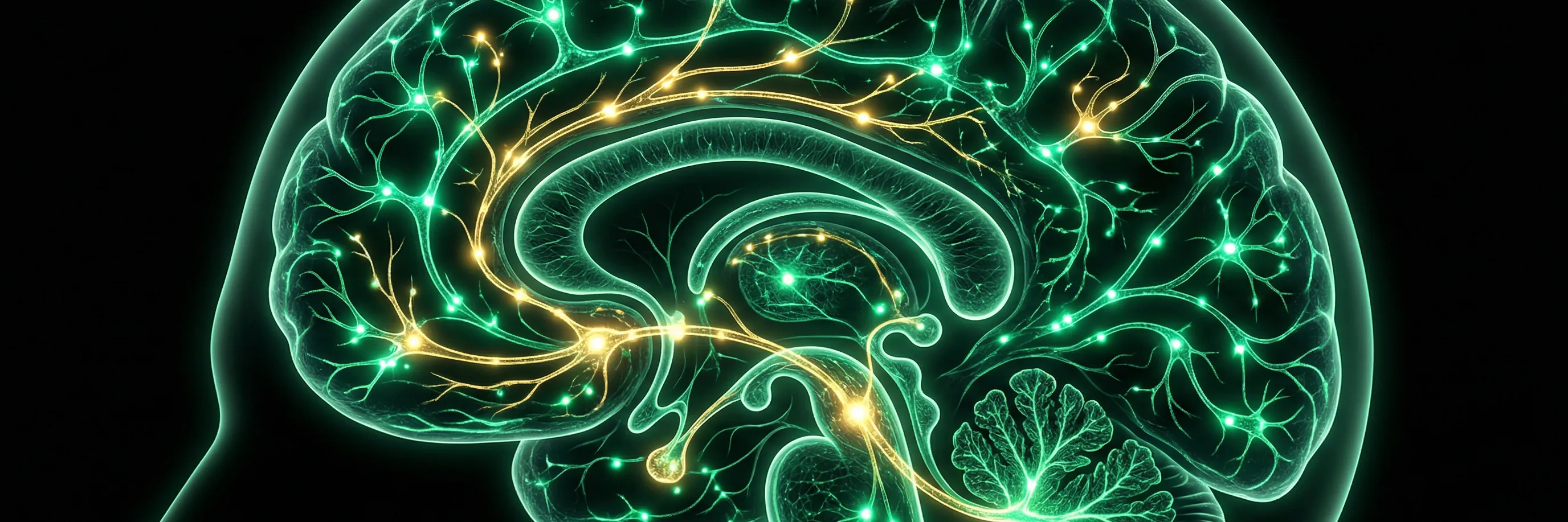
На 295-м часу отказа от курения (день 13) никотин полностью выведен из вашего организма. Восстановление когнитивной гибкости: Способность к переключению установок и когнитивная гибкость, измеряемые тестами наподобие висконсинского теста сортировки карточек, вернулись к уровню до зависимости. Решение проблем ощущается более текучим — ригидное, туннельное мышление абстиненции заменилось адаптивным познанием. Это нормальная и документированная стадия никотинового абстинентного синдрома.
ЧТО ПРОИСХОДИТ В ВАШЕМ ОРГАНИЗМЕ
Способность к переключению установок и когнитивная гибкость, измеряемые тестами наподобие висконсинского теста сортировки карточек, вернулись к уровню до зависимости. Передняя поясная кора функционирует нормально. Сигаретный дым содержит более 7000 химических веществ — никотин вызывает зависимость, но продукты горения (смолы, угарный газ, формальдегид, бензол) причиняют наибольший физический вред. По мере выведения никотина прекращается постоянное воздействие этих токсинов.
В этот момент — «Восстановление когнитивной гибкости» — ваш организм полностью свободен от никотина и сосредоточен на неврологическом восстановлении и восстановлении тканей.
День 13: эластичность артерий продолжает улучшаться. Хроническая сосудистая ригидность, вызванная годами повреждения эндотелия от курения, обращается вспять. Ваш риск коронарных событий заметно снизился с первого дня. Функция легких продолжает восходящую траекторию. Продуктивный кашель, если он присутствовал, вероятно, проходит по мере очищения дыхательных путей от скопившихся смол и частиц.
ЧТО ВЫ ЧУВСТВУЕТЕ
Решение проблем ощущается более текучим — ригидное, туннельное мышление абстиненции заменилось адаптивным познанием.
Утренние часы несут тяжелую триггерную нагрузку для курильщиков — дорога на работу, рабочий перерыв, утренний кофе. Каждый из них был ритуалом курения. Сегодня каждый из них, который вы проходите без сигареты, ослабляет ассоциацию. Это не ощущается как прогресс, но это он и есть.
Нейронные пути, которые когда-то заставляли вас закуривать, угасают. Триггер утреннего кофе, позыв после еды, реакция на стресс — все это переписывается новыми моделями поведения. Годы курения создали глубоко прорытые пути в вашем мозге, но четырнадцать дней последовательного некурения установили конкурирующие пути, которые становятся сильнее с каждым днем. У вас еще могут быть случайные мысли о курении, но заметьте, как они изменились: они стали тише, менее настойчивы, больше похожи на воспоминания, чем на команды. В этом разница между тягой и мыслью.
ЧТО ДЕЛАТЬ ПРЯМО СЕЙЧАС
Решите сегодня творческую задачу или головоломку — ваша восстановленная когнитивная гибкость — это навык, который стоит тренировать.
Защита от будущего для курильщиков: Главные триггеры рецидива для бывших курильщиков в первые 1-3 месяца — это (1) употребление алкоголя, особенно в социальных ситуациях, где другие курят, (2) серьезный жизненный стресс (потеря работы, конфликты в отношениях, тяжелая утрата), (3) ностальгические мысли («Мне действительно нравилось курить» — ваш мозг романтизирует зависимость). Имейте план для каждого случая. SOS-функция приложения 336 предоставляет 60-секундное дыхательное упражнение для экстренных случаев тяги.
Отслеживание вех: Поставьте 30 дней в качестве следующей цели. Через 30 дней без курения ваши легкие достигнут значительного прогресса в очищении от смоляных отложений. Через 90 дней ваше кровообращение заметно улучшится. Через 1 год ваш избыточный риск ишемической болезни сердца снизится вдвое по сравнению с нынешним курильщиком.
ЧТО ОЖИДАТЬ В ЭТОТ ЧАС
В течение этого утреннего периода 13-го дня отказа от курения симптомы отмены относительно управляемы. Ваш организм полностью свободен от никотина — все оставшиеся симптомы представляют собой неврологическую адаптацию, а не химическую ломку. Вы достигли фазы «Новая базовая линия» (дни 11-14). Ваш мозг и тело устанавливают свою новую норму без курения. Физиологическая зависимость сломлена — остается построить привычки и идентичность вашей некурящей жизни.
ИЗМЕНЕНИЯ В ОРГАНИЗМЕ
Уровень никотина: 0% — полностью выведен из кровотока. Ваш организм достиг полного очищения от никотина на 72-м часу.
Ваши легочные реснички — крошечные волосовидные структуры, которые были парализованы сигаретным дымом, — восстанавливаются и начинают выметать накопившиеся смолы и мусор из дыхательных путей. Поэтому вы можете кашлять больше: это признак заживления, а не повреждения.
ЧАСТЫЕ СИМПТОМЫ СЕГОДНЯ
ЧАСТО ЗАДАВАЕМЫЕ ВОПРОСЫ
Нормально ли чувствовать себя так через 295 часов после отказа от курения?
Да. На 295-м часу (день 13) ваш организм полностью свободен от никотина и проходит неврологическую адаптацию. Симптомы, которые вы испытываете — и которые на этом этапе слабо выражены — это документированная часть никотинового абстинентного синдрома, и они пройдут.
Безопасен ли я от рецидива после 13 дней без курения?
Через 13 дней ваша физиологическая зависимость в значительной степени сломлена — плотность мозговых рецепторов приближается к базовому уровню некурящего. Но риск рецидива не падает до нуля. Моменты наибольшего риска в следующем месяце — это употребление алкоголя, экстремальный стресс и ностальгия по ритуалу. Ваша защита: приверженность идентичности. Вы не «человек, который бросил курить» — вы «человек, который не курит».
Получайте почасовое руководство, уведомления с инструктажем и аудио-коучинг прямо на свой телефон.