TIMME 312 AV 336Tretton dagar rökfri
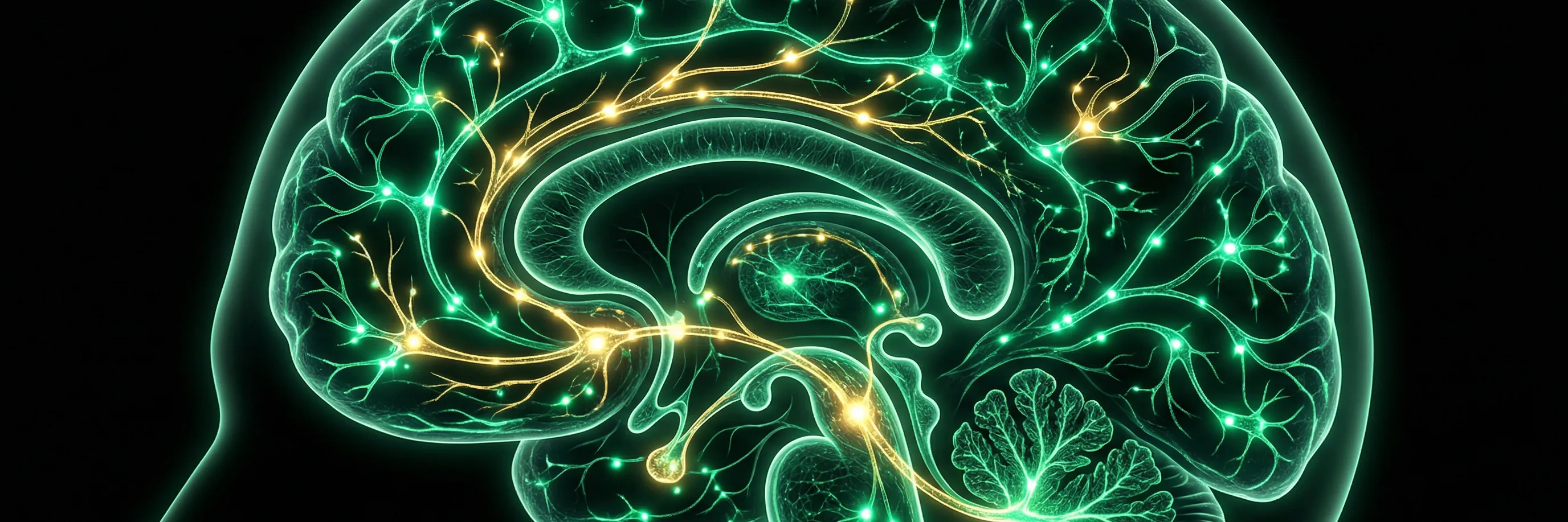
Vid timme 312 av att sluta röka (dag 13) har nikotinet rensats helt ur din kropp. Tretton dagar rökfri: tretton dagar utan cigarett. En dag av sprinten återstår, och den akuta abstinensen har gått över. Detta är ett normalt och dokumenterat stadium av rökabstinens.
VAD SOM HÄNDER I DIN KROPP
Tretton dagar rökfritt. Praktiskt taget alla akuta fysiologiska abstinenssymptom har försvunnit. Kroppen har fullföljt den mest intensiva fasen av reparation och övergår till långtidsåterhämtning. Cigarettrök innehåller över 7 000 kemikalier — nikotinet är det som skapar beroendet, men förbränningsämnena (tjära, kolmonoxid, formaldehyd, bensen) orsakar mest fysisk skada. När nikotinet rensas ut försvinner också den ständiga exponeringen för dessa toxiner.
I detta ögonblick — "Dag tretton avklarad" — är din kropp helt fri från nikotin och fokuserar på neurologisk återhämtning och vävnadsreparation.
Dag 13: artärernas elasticitet fortsätter att förbättras. Den kroniska kärlstelhet som orsakats av år av rökningsrelaterade endotelskador håller på att reverseras. Din risk för hjärt-kärlhändelser har minskat mätbart sedan dag 1. Lungfunktionen fortsätter sin uppåtgående trend. Den produktiva hostan, om den fanns, håller troligen på att avta när luftvägarna rensar sig från ansamlad tjära och partiklar.
Praktiskt taget alla akuta abstinenssymptom har försvunnit. Din lungkapacitet har förbättrats mätbart. Din hjärt-kärlrisk har sjunkit. Ditt immunsvar har stärkts.
HUR DU MÅR
En dag återstår. Den hårdaste kampen är vunnen — det som följer imorgon är inte överlevnad utan firande.
Kvällen bär starka associationer för rökare — avkopplingsröken, cigaretten efter middagen, nattmössan på verandan. Detta är tröstritualer, inte bara nikotinleverans. Att ersätta dem kräver inte bara att undvika cigaretten utan att aktivt skapa en ny avkopplingsrutin. En varm dryck, lätt stretching eller läsning kan signalera "dagen är slut" till din hjärna utan röken.
De neurala banor som en gång drev dig att tända en cigarett håller på att blekna. Morgonkaffeutlösaren, längtan efter måltid, stressreaktionen — alla dessa skrivs över av nya mönster. År av rökning skapade djupt inslipade banor i din hjärna, men fjorton dagar av konsekvent icke-rökning har etablerat konkurrerande banor som blir starkare varje dag. Du kan fortfarande ha enstaka tankar om rökning, men notera hur de har förändrats: de är tystare, mindre brådskande, mer som minnen än kommandon. Det är skillnaden mellan ett sug och en tanke.
VAD DU SKA GÖRA JUST NU
Vila gott inatt. Imorgon fullföljer du 336-timmarsspurten. Din hjärna och kropp har förtjänat denna sista dag.
Framtidssäkring för rökare: De främsta återfallsutlösarna för före detta rökare under månad 1-3 är (1) alkoholkonsumtion, särskilt i sociala sammanhang där andra röker, (2) stor livsstress (förlust av jobb, relationskonflikter, sorg), (3) nostalgiskt tänkande ("Jag njöt faktiskt av att röka" — din hjärna romantiserar beroendet). Ha en plan för varje situation. 336-appens SOS-funktion erbjuder en 60-sekunders andningsövning för akuta sug.
Milstolpespårning: Sätt 30 dagar som ditt nästa mål. Vid 30 dagar rökfritt har dina lungor gjort betydande framsteg med att rensa tjäravlagringar. Vid 90 dagar har din cirkulation förbättrats mätbart. Vid 1 år sjunker din överskottsrisk för kranskärlssjukdom till hälften av en aktiv rökares.
VAD DU KAN FÖRVÄNTA DIG DENNA TIMME
När kvällen fortskrider på dag 13 av att sluta röka är abstinensen tyst. Nikotinet har legat på noll sedan timme 72, och sprintens sista hela dag börjar om några timmar. Du har nått fasen Ny baslinje (dag 11-14). Tretton dagar av orökta cigaretter är bevisunderlaget för allt som kommer härnäst. Gå in i den sista dagen med vetskapen om att den svåra delen redan ligger bakom dig.
KROPPSFÖRÄNDRINGAR
Nikotinnivå: 0% — helt utrensat från ditt blodomlöpp. Din kropp uppnådde fullständig nikotinrensning vid timme 72.
Dina lungcilier — de små hårliknande strukturerna som paralyserades av cigarettrök — regenereras och börjar sopa ut ackumulerad tjära och skräp från dina luftvägar. Det är därför du kan hosta mer: det är ett tecken på läkning, inte skada.
VANLIGA SYMTOM IDAG
VANLIGA FRÅGOR
Är det normalt att känna så här 312 timmar efter att ha slutat röka?
Ja. Vid timme 312 (dag 13) är din kropp helt fri från nikotin och genomgår neurologisk anpassning. Symptomen är låga i detta skede, och vid timme 312 rapporterar de flesta före detta rökare hela dagar utan att en cigarett ens korsar tanken.
Vad är betydelsen av att nå 312 timmar (dag 13) utan rökning?
Timme 312 är en viktig milstolpe: tretton dagar rökfri, med praktiskt taget alla akuta fysiologiska abstinenseffekter borta och en dag kvar av sprinten. Varje milstolpe du når höjer dina odds för permanent rökstopp — personer som tar sig till dag 13 har betydligt större sannolikhet att förbli rökfria långsiktigt.
Vad händer med mina lungor under veckorna efter sprinten?
Flimmerhåren fortsätter att växa tillbaka under den första månaden och rensar dina luftvägar mer fullständigt, vilket samtidigt sänker infektionsrisken. Lungfunktionen fortsätter att stiga, morgonhostan klingar av och den kardiovaskulära risken fortsätter att falla i åratal — förutsatt att ingen cigarett startar om exponeringen.
Få timme-för-timme-vägledning, push-notisbriefingar och ljudcoachning levererat till din telefon.