الساعة 299 من 336ترسخت المرونة العصبية
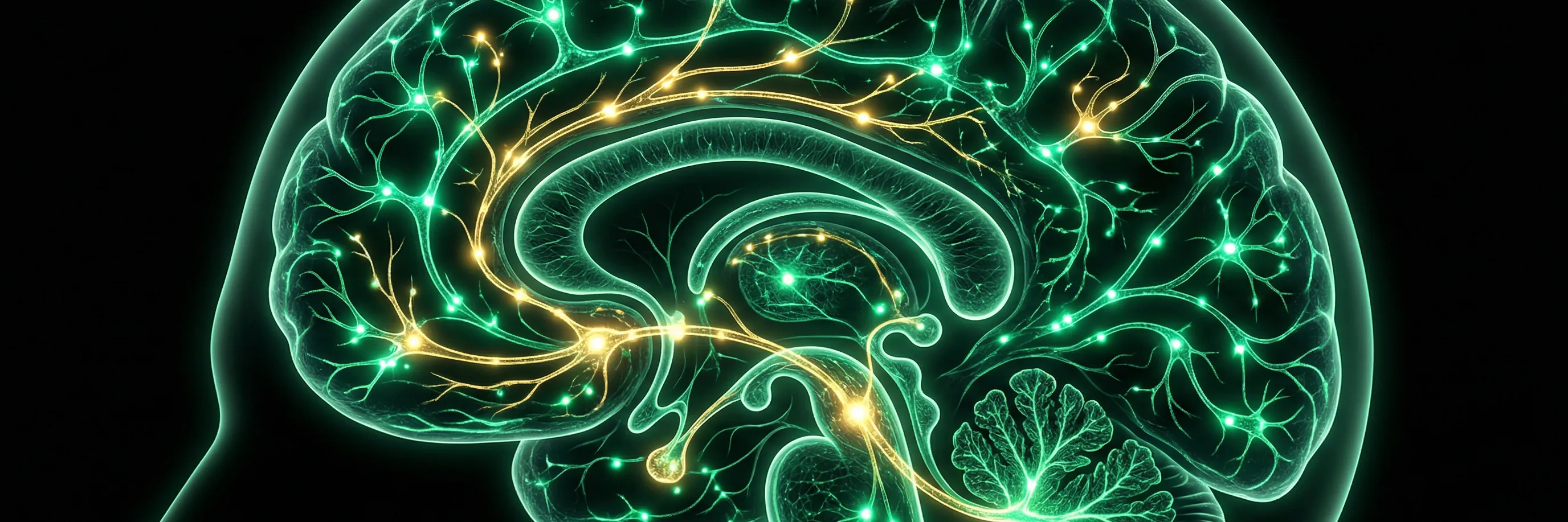
في الساعة 299 من الإقلاع عن التدخين (اليوم 13)، تم إزالة النيكوتين تماماً من جسدك. ترسخت المرونة العصبية: حلقات العادات الجديدة لعدم التدخين ترسخت الآن عصبياً. عدم التدخين يصبح السلوك الافتراضي — يتطلب إرادة أقل لأن البنية العصبية تدعمه الآن تلقائياً. هذه مرحلة طبيعية وموثقة من انسحاب التدخين.
ما يحدث في جسمك
حلقات العادات الجديدة لعدم التدخين ترسخت الآن عصبياً. التعزيز المشبكي من خلال التقوية طويلة الأمد خلق مسارات عصبية مستقرة لأنماط السلوك الخالي من الدخان. دخان السجائر يحتوي على أكثر من 7,000 مادة كيميائية — النيكوتين هو ما يسبب الإدمان، لكن منتجات الاحتراق (القطران وأول أكسيد الكربون والفورمالديهايد والبنزين) هي ما تسبب أكبر ضرر جسدي. مع اختفاء النيكوتين، يختفي أيضاً التعرض المستمر لهذه السموم.
في هذه اللحظة — "ترسخت المرونة العصبية" — جسدك خالٍ تماماً من النيكوتين ومركز على التعافي العصبي والنسيجي.
اليوم 13: مرونة الشرايين تستمر في التحسن. التيبس الوعائي المزمن الناجم عن سنوات من الضرر البطاني المرتبط بالتدخين بدأ ينعكس. خطر إصابتك بالأحداث التاجية انخفض بشكل قابل للقياس منذ اليوم الأول. وظائف الرئة تستمر في مسارها التصاعدي. السعال المنتج، إن كان موجوداً، على الأرجح بدأ يختفي مع تخليص مجاريك الهوائية من تراكم القطران والجسيمات.
كيف تشعر
عدم التدخين يصبح السلوك الافتراضي — يتطلب إرادة أقل لأن البنية العصبية تدعمه الآن تلقائياً.
ساعات الصباح تحمل حمولة ثقيلة من المحفزات للمدخنين — الانتقال إلى العمل، استراحة العمل، قهوة منتصف الصباح. كل من هذه كانت طقوساً للتدخين. اليوم، كل مرة تمر فيها من خلال إحداها دون سيجارة تضعف الرابطة. لا تشعر بأنه تقدم، لكنه كذلك.
المسارات العصبية التي كانت تدفعك لإشعال سيجارة تتلاشى. محفز قهوة الصباح، الرغبة بعد الوجبة، استجابة الضغط — كل هذه يتم استبدالها بأنماط جديدة. سنوات التدخين خلقت مسارات محفورة بعمق في دماغك، لكن أربعة عشر يوماً من عدم التدخين المستمر أسست مسارات منافسة تصبح أقوى كل يوم. قد تظل لديك أفكار عرضية حول التدخين، لكن لاحظ كيف تغيرت: أصبحت أهدأ، أقل إلحاحاً، أشبه بالذكريات من الأوامر. هذا هو الفرق بين الرغبة الشديدة والفكرة العابرة.
ماذا تفعل الآن
حدد وسم سلوكياتك الافتراضية الجديدة للحظات المحفزة السابقة — جعلها صريحة يسرع من تلقائيتها.
الحماية المستقبلية للمدخنين: أهم محفزات الانتكاس للمدخنين السابقين في الأشهر 1-3 هي (1) شرب الكحول، خاصة في المناسبات الاجتماعية حيث يدخن آخرون، (2) ضغط الحياة الكبير (فقدان الوظيفة، صراع العلاقات، الفجيعة)، (3) التفكير الحنيني ("كنت أستمتع بالتدخين فعلاً" — دماغك يضفي رومانسية على الإدمان). ضع خطة لكل منها. خاصية الطوارئ في تطبيق 336 توفر تمرين تنفس مدته 60 ثانية لحالات طوارئ الرغبة الشديدة.
تتبع المعالم: حدد 30 يوماً كهدفك التالي. في 30 يوماً بدون تدخين، تكون رئتاك قد حققت تقدماً كبيراً في إزالة رواسب القطران. في 90 يوماً، تحسنت دورتك الدموية بشكل قابل للقياس. في سنة واحدة، خطر إصابتك الزائد بمرض القلب التاجي ينخفض إلى نصف خطر المدخن الحالي.
ما تتوقعه في هذه الساعة
خلال هذه الفترة الصباحية في اليوم 13 من الإقلاع عن التدخين، أعراض الانسحاب قابلة للتحكم نسبياً. جسدك خالٍ تماماً من النيكوتين — كل الأعراض المتبقية هي تكيف عصبي، وليس انسحاباً كيميائياً. وصلت إلى مرحلة الخط الأساسي الجديد (الأيام 11-14). دماغك وجسدك يؤسسان وضعهما الطبيعي الجديد بدون تدخين. الإدمان الفيزيولوجي انكسر — ما تبقى هو بناء عادات وهوية حياتك بدون تدخين.
تغيرات الجسم
مستوى النيكوتين: 0% — تم التخلص منه تماماً من مجرى دمك. جسدك حقق التخلص التام من النيكوتين في الساعة 72.
أهداب رئتيك — البُنى الشعرية الدقيقة التي كانت مشلولة بسبب دخان السجائر — تتجدد وتبدأ في كنس القطران والحطام المتراكم من مجاريك الهوائية. لهذا قد تسعل أكثر: إنها علامة على الشفاء، وليس الضرر.
الأعراض الشائعة اليوم
الأسئلة الشائعة
هل من الطبيعي أن أشعر بهذا الشكل بعد 299 ساعة من الإقلاع عن التدخين؟
نعم. في الساعة 299 (اليوم 13)، جسدك خالٍ تماماً من النيكوتين ويخضع للتكيف العصبي. الأعراض التي تشعر بها — والتي هي منخفضة في هذه المرحلة — هي جزء موثق من انسحاب النيكوتين وستزول.
هل أنا آمن من الانتكاس بعد 13 يوماً بدون تدخين؟
بعد 13 يوماً، إدمانك الفيزيولوجي انكسر إلى حد كبير — كثافة مستقبلات الدماغ تقترب من الخط الأساسي لغير المدخن. لكن خطر الانتكاس لا ينخفض إلى الصفر. اللحظات الأكثر خطورة في الشهر القادم هي استهلاك الكحول، الضغط الشديد، والحنين للطقوس. دفاعك: التزام الهوية. أنت لست "شخصاً أقلع عن التدخين" — أنت "شخص لا يدخن."
احصل على إرشاد ساعة بساعة، وإشعارات الإحاطات، والتدريب الصوتي على هاتفك.