336 में से घंटा 303चेहरे की रक्त आपूर्ति बहाल
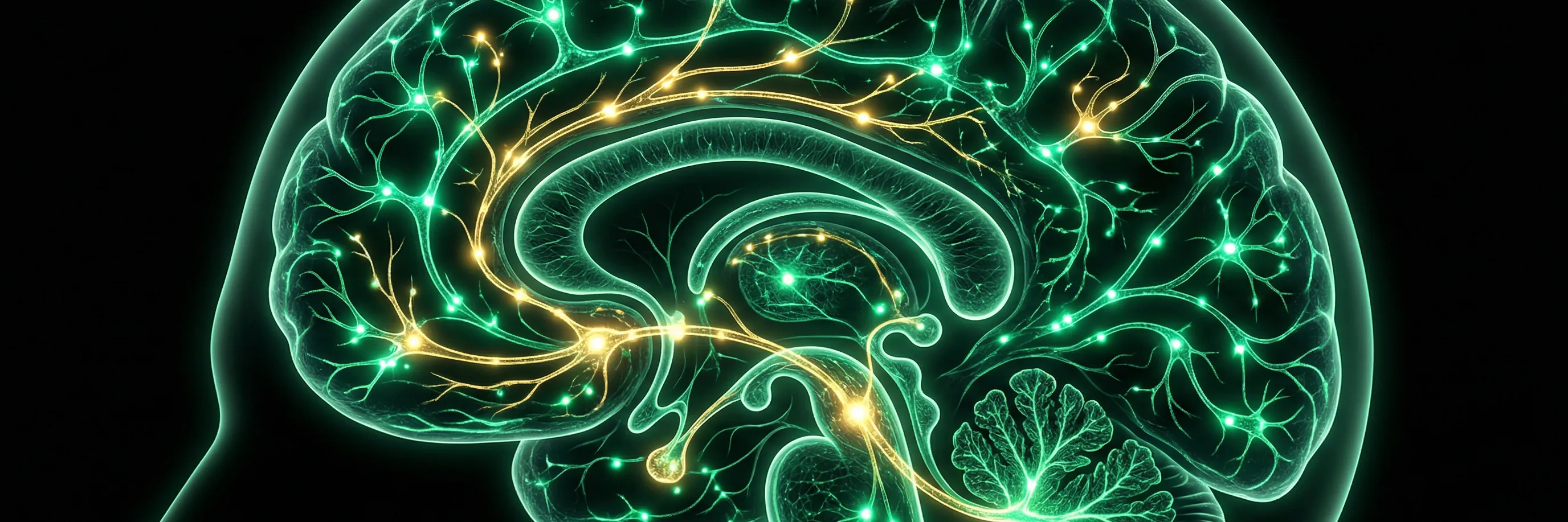
धूम्रपान छोड़ने के 303वें घंटे (दिन 13) में, निकोटीन आपके शरीर से पूर्णत: निकल चुका है। चेहरे की रक्त आपूर्ति बहाल: चेहरे की त्वचा में रक्त संचार सामान्य हो गया है। दृश्य परिवर्तन दूसरों के लिए स्पष्ट होने लगा है — चेहरा बहाली हुआ रक्त संचार दर्शाता है जिससे रूप-रंग की तारीफें मिलना शुरू हो सकती हैं। यह धूम्रपान छोड़ने की एक सामान्य और प्रलेखित अवस्था है।
आपके शरीर में क्या हो रहा है
चेहरे की त्वचा में रक्त संचार सामान्य हो गया है। धूम्रपान प्रेरित वाहिका संकुचन से जुड़े विशिष्ट पीलेपन और समय से पहले बुढ़ापे के संकेत उलट रहे हैं क्योंकि त्वचीय रक्त प्रवाह स्वस्थ स्तरों पर लौट रहा है। सिगरेट के धुएं में 7,000 से अधिक रसायन होते हैं — निकोटीन आपको आसक्त बनाता है, लेकिन दहन के उप-उत्पाद (तारकोल, कार्बन मोनोऑक्साइड, फॉर्मेल्डिहाइड, बेंजीन) सबसे अधिक शारीरिक नुकसान करते हैं। जैसे-जैसे निकोटीन निकलता है, इन विषाक्त पदार्थों का निरंतर संपर्क भी समाप्त होता है।
इस क्षण — "चेहरे की रक्त आपूर्ति बहाल" — आपका शरीर पूर्णत: निकोटीन मुक्त है और न्यूरोलॉजिकल तथा ऊतकों की पुनर्प्राप्ति पर केंद्रित है।
दिन 13: धमनियों की लोच में सुधार जारी है। वर्षों के धूम्रपान प्रेरित एंडोथेलियल क्षति के कारण होने वाली पुरानी वाहिका कठोरता उलट रही है। दिन 1 से आपका कोरोनरी घटनाओं का जोखिम मापदंड के अनुसार घट गया है। फेफड़ों का कार्य अपनी ऊर्ध्व दिशा जारी रखे हुए है। कफ निकलना, यदि मौजूद था, तो संभवत: ठीक हो रहा है क्योंकि आपके वायुमार्ग तारकोल और कणों का बैकलॉग साफ कर रहे हैं।
आप कैसा महसूस कर रहे हैं
दृश्य परिवर्तन दूसरों के लिए स्पष्ट होने लगा है — चेहरा बहाली हुआ रक्त संचार दर्शाता है जिससे रूप-रंग की तारीफें मिलना शुरू हो सकती हैं।
दोपहर अक्सर वह समय होता है जब धूम्रपान करने वाले "इनाम वाली सिगरेट" का अनुभव करते थे — दोपहर के भोजन के बाद एक धुआं, कार्यदिवस से विश्राम, अवसाद दूर करने का एक क्षण। आप जो इच्छा महसूस कर रहे हैं वह भूख या बोरियत नहीं है; यह आपके मस्तिष्क की पुरस्कार प्रणाली है जो अपने निर्धारित इनपुट की मांग कर रही है। इसे कुछ और दें: सैर, बातचीत, एक फल।
न्यूरल पाथवे जो कभी आपको सिगरेट जलाने के लिए प्रेरित करते थे, वे धुंधले पड़ रहे हैं। सुबह की कॉफी का ट्रिगर, भोजन के बाद की इच्छा, तनाव की प्रतिक्रिया — ये सभी नए पैटर्न से बदले जा रहे हैं। वर्षों के धूम्रपान ने आपके मस्तिष्क में गहरे खांचे वाले रास्ते बनाए, लेकिन चौदह दिन के निरंतर धूम्रपान न करने से प्रतिस्पर्धी रास्ते स्थापित हुए हैं जो हर दिन मजबूत होते जा रहे हैं। आपके मन में अभी भी कभी-कभार धूम्रपान के बारे में विचार आ सकते हैं, लेकिन देखें कि वे कैसे बदले हैं: वे शांत हैं, कम तत्काल, आदेशों से अधिक यादों जैसे। यही तलब और विचार के बीच का अंतर है।
अभी क्या करें
किसी विश्वसनीय मित्र से पूछें कि क्या वे आपके रूप-रंग में परिवर्तन देख रहे हैं — दृश्य उपचार की बाहरी पुष्टि प्रतिबद्धता को मजबूत बनाती है।
धूम्रपान करने वालों के लिए भविष्य-सुरक्षा: महीने 1-3 में पूर्व धूम्रपान करने वालों के लिए शीर्ष पुनरावृत्ति ट्रिगर हैं (1) शराब पीना, विशेषकर सामाजिक परिस्थितियों में जहां अन्य धूम्रपान करते हैं, (2) जीवन में बड़ा तनाव (नौकरी छूटना, रिश्तों में संघर्ष, शोक), (3) भावनात्मक चिंतन ("मुझे वास्तव में धूम्रपान अच्छा लगता था" — आपका मस्तिष्क व्यसन को रोमांसी बना रहा है)। हर स्थिति के लिए एक योजना रखें। 336 ऐप की SOS सुविधा तलब की आपातकाल के लिए 60-सेकंड की सांस की तकनीक प्रदान करती है।
माइलस्टोन ट्रैकिंग: अपना अगला लक्ष्य 30 दिन निर्धारित करें। 30 दिन धूम्रपान-मुक्त रहने पर, आपके फेफड़ों ने तारकोल जमा साफ करने में महत्वपूर्ण प्रगति की है। 90 दिनों में, आपके रक्त संचार में मापदंड के अनुसार सुधार हुआ है। 1 वर्ष में, आपका कोरोनरी हृदय रोग का अतिरिक्त जोखिम वर्तमान धूम्रपान करने वाले के आधे तक घट जाता है।
इस घंटे क्या उम्मीद करें
धूम्रपान छोड़ने के दिन 13 की इस दोपहर, निकासी के लक्षण अपेक्षाकृत प्रबंधनीय हैं। आपका शरीर निकोटीन से पूर्णत: मुक्त है — सभी शेष लक्षण न्यूरोलॉजिकल अनुकूलन हैं, रासायनिक निकासी नहीं। आप न्यू बेसलाइन चरण (दिन 11-14) में पहुंच गए हैं। आपका मस्तिष्क और शरीर धूम्रपान के बिना अपना नया सामान्य स्थापित कर रहे हैं। शारीरिक व्यसन टूट गया है — जो बचा है वह धूम्रपान न करने वाले जीवन की आदतें और पहचान बनाना है।
शारीरिक बदलाव
निकोटीन स्तर: 0% — आपके रक्तप्रवाह से पूर्णत: निकला। आपके शरीर ने घंटा 72 पर पूर्ण निकोटीन निकासी प्राप्त की।
आपकी फेफड़ों की सिलिया — छोटी बाल जैसी संरचनाएं जो सिगरेट के धुएं से लकवाग्रस्त थीं — पुनर्जीवित हो रही हैं और आपके वायुमार्गों से संचित तारकोल और मलबा बाहर निकालना शुरू कर रही हैं। इसीलिए आप अधिक खांस सकते हैं: यह उपचार का संकेत है, नुकसान का नहीं।
आज के सामान्य लक्षण
अक्सर पूछे जाने वाले प्रश्न
क्या धूम्रपान छोड़ने के 303 घंटे बाद इस तरह महसूस करना सामान्य है?
हां। घंटा 303 (दिन 13) में, आपका शरीर निकोटीन से पूर्णत: मुक्त है और न्यूरोलॉजिकल अनुकूलन से गुजर रहा है। आप जो लक्षण अनुभव कर रहे हैं — जो इस स्तर पर कम हैं — निकोटीन निकासी का एक प्रलेखित हिस्सा हैं और ये बीत जाएंगे।
क्या 13 दिन धूम्रपान न करने के बाद मैं पुनरावृत्ति से सुरक्षित हूं?
13 दिन बाद, आपकी शारीरिक व्यसन काफी हद तक टूट गई है — मस्तिष्क रिसेप्टर घनत्व गैर-धूम्रपान करने वाले बेसलाइन के पास पहुंच रहा है। लेकिन पुनरावृत्ति का जोखिम शून्य नहीं होता। अगले महीने में सबसे जोखिम भरे क्षण हैं शराब सेवन, चरम तनाव, और अनुष्ठान के लिए नॉस्टेल्जिया। आपकी रक्षा: पहचान प्रतिबद्धता। आप "वह व्यक्ति नहीं जिसने धूम्रपान छोड़ा" — आप "वह व्यक्ति हैं जो धूम्रपान नहीं करता।"
घंटे-दर-घंटे मार्गदर्शन, पुश नोटिफिकेशन ब्रीफिंग्स, और ऑडियो कोचिंग अपने फोन पर पाएं।