ความเหนื่อยล้าและระดับพลังงาน หลังเลิกบุหรี่
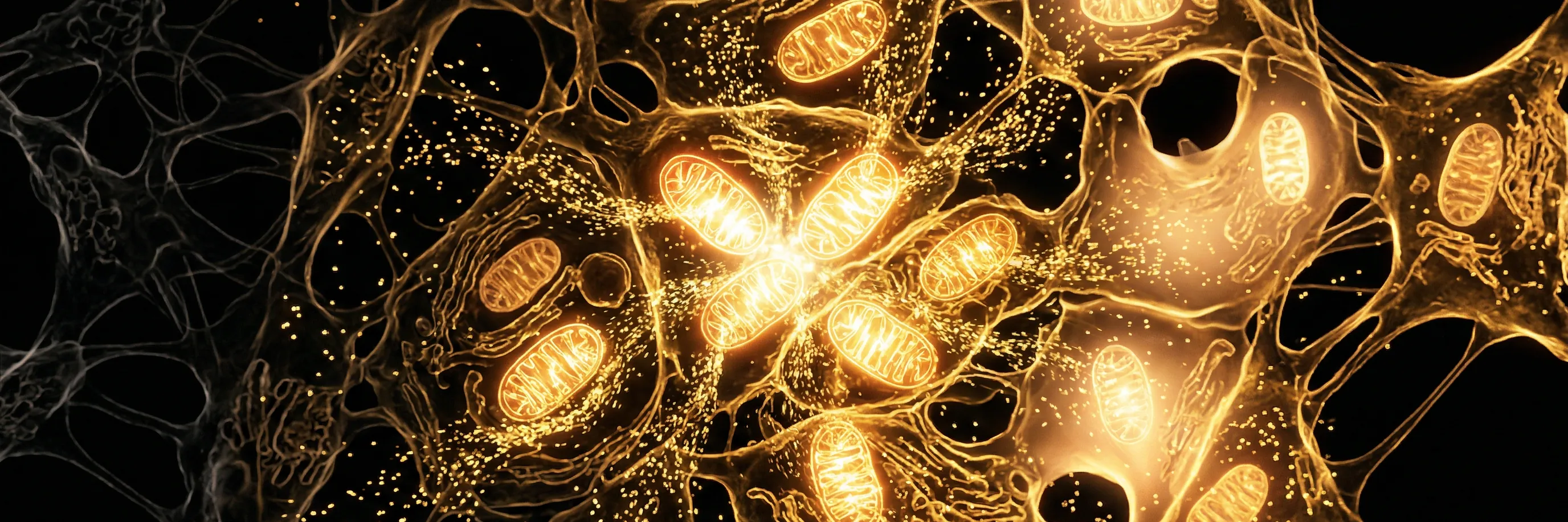
ความเหนื่อยล้าหลังเลิกบุหรี่เริ่มราววันที่ 2-3 และรุนแรงที่สุดในช่วงวันที่ 3-5 นิโคตินเป็นสารกระตุ้นที่เพิ่มความตื่นตัวและพลังงานอย่างเทียม เมื่อไม่มีมัน ร่างกายของคุณต้องปรับเทียบการผลิตพลังงานตามธรรมชาติใหม่ พลังงานจะกลับมาอย่างชัดเจนภายในวันที่ 7-10 และเสถียรในระดับที่สม่ำเสมอภายในวันที่ 14 — มักจะต่อเนื่องกว่าวงจรพุ่งขึ้นแล้วดิ่งลงตอนที่ยังสูบบุหรี่อยู่
ผู้สูบบุหรี่มักไม่รู้ตัวว่าพลังงานของตัวเองขึ้นอยู่กับบุหรี่มวนถัดไปมากแค่ไหน การสูบทุกครั้งกระตุ้นนอร์เอพิเนฟรินและโดปามีน — สารสื่อประสาทกลุ่มกระตุ้น การถอนการกระตุ้นที่ต่อเนื่องนั้นออกไปสร้างช่องว่างพลังงานชั่วคราว ขณะที่สมองของคุณสร้างการผลิตตามธรรมชาติขึ้นใหม่
เริ่มเมื่อไหร่
พลังงานลดลงในวันที่ 2-3 เมื่อฤทธิ์กระตุ้นหมดไปอย่างสมบูรณ์
รุนแรงที่สุดเมื่อไหร่
ความเหนื่อยล้าสูงสุดวันที่ 3-5 ณ จุดต่ำสุดของการผลิตโดปามีนและนอร์เอพิเนฟริน
หายเมื่อไหร่
พลังงานฟื้นตัวภายในวันที่ 7-10 และมักเกินระดับตอนที่ยังสูบบุหรี่ภายในวันที่ 14 โดยไม่มีวงจรพุ่งขึ้นแล้วดิ่งลง
ทำไมถึงเกิดขึ้น
นิโคตินกระตุ้นนอร์เอพิเนฟริน (ความตื่นตัว) และโดปามีน (แรงจูงใจ) สมองของคุณลดการผลิตสารเหล่านี้ตามธรรมชาติลงตลอดหลายปีที่สูบบุหรี่ ช่องว่างในช่วงเปลี่ยนผ่านทำให้เกิดความเหนื่อยล้า จนกว่าการผลิตภายในร่างกายจะฟื้นตัว
ต้องทำอย่างไร
นอนเมื่อเหนื่อย งีบสั้นๆ (ไม่เกิน 20 นาที) ออกกำลังกายเพื่อพลังงานตามธรรมชาติ กินอาหารที่มีโปรตีนสูงเป็นเวลา รับแสงแดดตอนเช้าเพื่อสนับสนุนนาฬิกาชีวภาพ อย่าดื่มคาเฟอีนมากเกินไป
ชั่วโมงที่อาการนี้ปรากฏ
คำถามที่พบบ่อย
ทำไมถึงเหนื่อยมากขนาดนี้?
นิโคตินเคยเพิ่มพลังงานให้คุณอย่างเทียมผ่านนอร์เอพิเนฟรินและโดปามีน เมื่อไม่มีมัน สมองของคุณต้องใช้เวลาหลายวันในการสร้างการผลิตตามธรรมชาติขึ้นใหม่ รุนแรงที่สุดวันที่ 3-5 และหายไปภายในวันที่ 10-14
อาการนี้นานแค่ไหน?
ความเหนื่อยล้าที่ชัดเจนประมาณหนึ่งสัปดาห์ (วันที่ 2-7) พลังงานกลับสู่ปกติหรือดีกว่าเดิมภายในวันที่ 14
ระยะยาวจะมีพลังงานมากขึ้นไหม?
ใช่ เมื่อไม่มีวงจรนิโคติน ระดับพลังงานของคุณจะคงที่และต่อเนื่องมากขึ้น ไม่มีอาการดิ่งลงระหว่างมวนอีกต่อไป
รับคำแนะนำทุกชั่วโมง การแจ้งเตือนสรุป และการโค้ชเสียงที่ส่งตรงถึงโทรศัพท์ของคุณ