HORA 96 DE 336Cuatro Días Sin Fumar
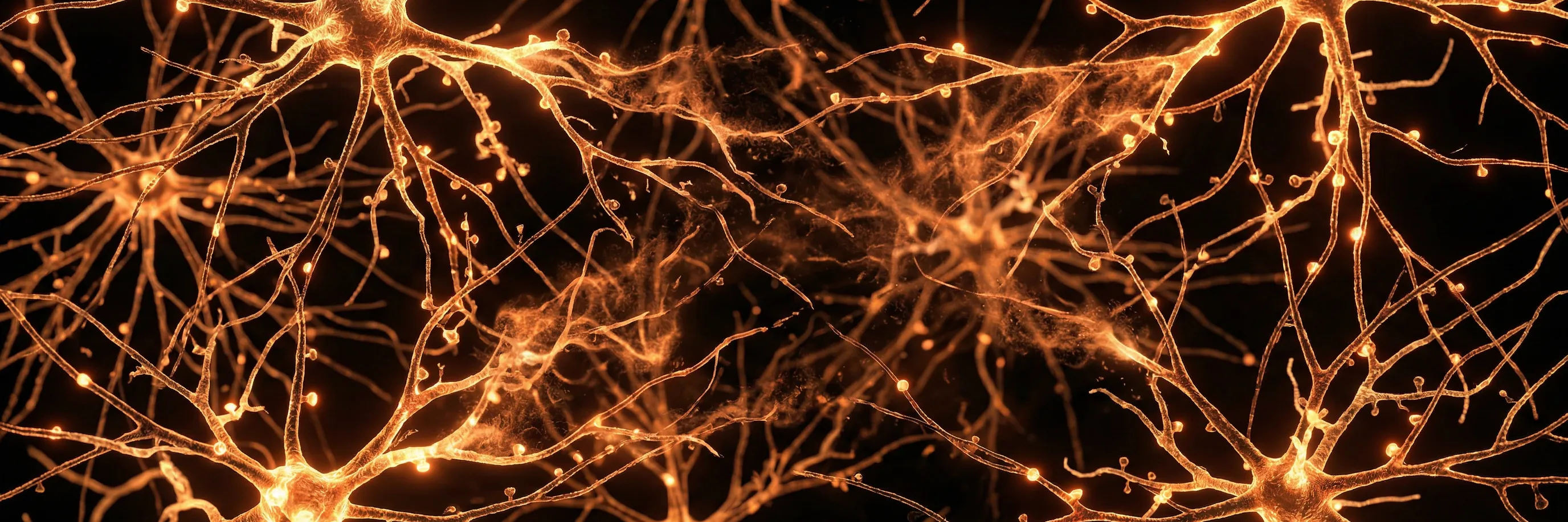
En la hora 96 de dejar de fumar (día 4), la nicotina se ha eliminado por completo de tu cuerpo. Cuatro días completos sin un cigarrillo, y aproximadamente el 20-30% de los receptores nAChR sobrantes han sido podados. La química está terminada; lo que queda son bucles de señales — el café, el coche, la silla después de cenar — que se desaprenden uno a uno. Esta es una etapa normal y documentada de la abstinencia de fumar.
QUÉ ESTÁ PASANDO EN TU CUERPO
Cuatro días completos sin nicotina. Aproximadamente 20-30% de los receptores nAChR excedentes han sido podados. El cerebro ha sobrevivido la caída más profunda de dopamina y ahora está construyendo nuevos patrones de señalización base que no dependen de nicotina exógena. El humo del cigarrillo contiene más de 7,000 químicos — la nicotina es lo que te engancha, pero los subproductos de la combustión (alquitrán, monóxido de carbono, formaldehído, benceno) son los que causan el mayor daño físico. A medida que se elimina la nicotina, también se elimina la exposición constante a estas toxinas.
En este momento — "Día Cuatro Completado" — tu cuerpo está completamente libre de nicotina y enfocado en la recuperación neurológica y tisular.
Día 4: tu cerebro está podando activamente los receptores nicotínicos de acetilcolina excedentes — la infraestructura neurológica que los cigarrillos construyeron durante años. Un hábito de una cajetilla al día entregaba aproximadamente 200 golpes de nicotina diarios. Esa red está siendo desmantelada. Mientras tanto, la escalera mucociliar de tus pulmones se está reactivando — los pequeños cilios paralizados por el humo caliente se están regenerando. Puedes notar aumento de tos y mucosidad. Esto es sanación, no un síntoma nuevo.
Aquí está el número que más importa ahora mismo: tu cerebro ha podado aproximadamente entre veinte y treinta por ciento de los receptores de nicotina excedentes que construyó mientras usabas nicotina. Esos receptores eran la fuente de tus peores antojos — cada uno demandando nicotina que no estaba recibiendo. Una cuarta parte de ellos ya se fue. Tu cerebro decidió que ya no los necesitaba.
CÓMO TE ESTÁS SINTIENDO
Un sentido cauteloso de logro mezclado con la conciencia de que el proceso está lejos de terminar.
La noche trae asociaciones poderosas para los fumadores — el cigarrillo de relajación, el cigarrillo después de cenar, el último del día en el porche. Estos son rituales de confort, no solo entrega de nicotina. Reemplazarlos requiere no solo evitar el cigarrillo sino crear activamente una nueva rutina de relajación. Una bebida caliente, estiramientos ligeros o leer pueden señalar "el día está terminando" a tu cerebro sin el humo.
Para los fumadores, esta fase está dominada por desencadenantes de rutina — las asociaciones profundamente conectadas entre momentos específicos del día y alcanzar un cigarrillo. Los cinco más comunes: café matutino (el desencadenante individual más fuerte para la mayoría de fumadores), satisfacción después de comer, socialización en el descanso del trabajo, conducir, y la relajación nocturna. Cada desencadenante dispara la misma vía neural que llevó a un cigarrillo miles de veces antes. La comprensión clave: el desencadenante se dispara, pero la necesidad que produce es más débil cada vez que no actúas sobre ella. No solo estás soportando estos momentos — los estás reconectando activamente al elegir una respuesta diferente.
QUÉ HACER AHORA MISMO
Marca este hito visiblemente — pon una marca física en un calendario o actualiza una aplicación de seguimiento, luego cuéntale a una persona de confianza que llegaste al Día 4.
Estrategia social para fumadores: Esta es la semana donde los desencadenantes sociales alcanzan su pico. Si tu lugar de trabajo tiene un área para fumar, evítala — incluso si significa perder la conexión social temporalmente. Toma tus descansos en otro lugar. Camina, no te quedes parado.
Si tienes una pareja o compañero de cuarto que fuma, esta es la configuración más difícil. Ten una conversación honesta: "Necesito que no me ofrezcas cigarrillos y que no fumes en espacios compartidos durante las próximas dos semanas." La mayoría de la gente respetará esto. Si no lo hacen, eso te dice algo importante sobre la relación.
Desencadenantes de comida: El cigarrillo después de comer es una de las asociaciones más fuertes del fumar. Reemplázalo con una acción que señale "la comida terminó" a tu cerebro: lávate los dientes inmediatamente, da una caminata corta, o mastica chicle de menta fuerte. La señal necesita ser física e inmediata.
QUÉ ESPERAR ESTA HORA
Mientras avanza la noche del día 4 de dejar de fumar, has llegado a un momento de hito en tu recuperación. Cuatro días sin un cigarrillo significan que la dependencia química está terminada — lo que queda se basa en señales, y las señales se pueden desaprender. Estás en la fase de Abstinencia Pico (Días 4-7). Espera que los antojos sigan llegando desde los lugares de siempre, el café y el coche y el después de cenar, y espera que cada uno dure de tres a cinco minutos y termine.
CAMBIOS CORPORALES
Nivel de nicotina: 0% — completamente eliminada de tu torrente sanguíneo. Tu cuerpo logró la eliminación completa de nicotina en la hora 72.
La regulación a la baja de los receptores nicotínicos de acetilcolina está ocurriendo activamente en tu cerebro. Los receptores excesivos acumulados durante años de fumar están siendo podados de vuelta hacia el nivel base de no fumador.
PREGUNTAS FRECUENTES
¿Es normal sentirme así 96 horas después de dejar de fumar?
Sí. En la hora 96 (día 4), la nicotina ha desaparecido por completo de tu cuerpo y lo que sientes es tu cerebro y tus pulmones recuperándose de años de cigarrillos. Alcanzar un hito y al mismo tiempo sentirte mal es completamente normal en el día 4. Los síntomas son altos en esta etapa, pero son parte documentada de la abstinencia de fumar y pasan.
¿Cuál es la importancia de llegar a las 96 horas sin fumar?
La hora 96 es un hito importante. Cuatro días completos sin nicotina, y aproximadamente el 20-30% de los receptores nAChR sobrantes han sido podados. Esos receptores eran la fuente de tus peores antojos — cada uno exigiendo nicotina que no recibía, y una cuarta parte de ellos ya no está. Cada hito que alcanzas aumenta dramáticamente tus probabilidades de cese permanente.
¿Qué cambia entre el día 4 y el día 14 de dejar los cigarrillos?
La química termina y empieza el trabajo de hábito. La recalibración de receptores continúa hasta acercarse a la línea base de no fumador para el día 14. El gusto y el olfato siguen afinándose en esa misma ventana, y la tos de recuperación va disminuyendo en las semanas siguientes. Los antojos se vuelven puramente de señal, así que a partir de aquí se trata de atravesar cada situación de fumar una vez sin un cigarrillo.
Obtén orientación hora por hora, briefings con notificaciones push y coaching de audio directo en tu teléfono.