HOUR 78 OF 336Calm Circuits Coming Back Online
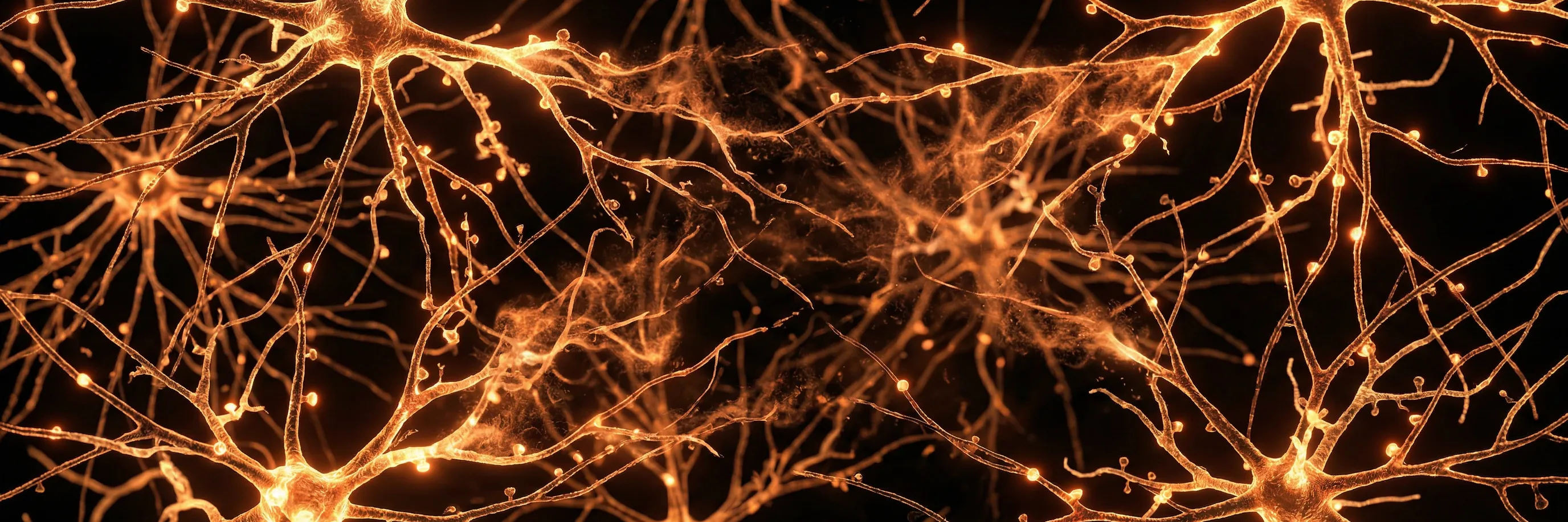
At hour 78 of quitting smoking (day 4), nicotine has been completely cleared from your body. The GABA/glutamate balance is shifting toward homeostasis after years of cigarettes doing that job. Expect unexplained anxiety, then minutes later a stretch of surprising calm. Those windows are your inhibitory system coming back online, and they lengthen from here. This is a normal and documented stage of smoking withdrawal.
WHAT'S HAPPENING IN YOUR BODY
The GABA/glutamate balance is shifting back toward homeostasis. Chronic nicotine had desensitized GABAergic interneurons in the ventral tegmental area, and their recovery is now permitting more effective inhibitory control over excitatory circuits. Cigarette smoke contains over 7,000 chemicals — the nicotine is what hooks you, but the combustion byproducts (tar, carbon monoxide, formaldehyde, benzene) are what cause the most physical damage. As nicotine clears, so does the constant exposure to these toxins.
At this moment — "GABA Signaling Recalibrating" — your body is completely nicotine-free and focused on neurological and tissue recovery.
Day 4: your brain is actively pruning surplus nicotinic acetylcholine receptors — the neurological infrastructure that cigarettes built over years. A pack-a-day habit delivered approximately 200 hits of nicotine daily. That network is being dismantled. Meanwhile, your lungs' mucociliary escalator is reactivating — the tiny cilia paralyzed by hot smoke are regenerating. You may notice increased coughing and mucus. This is healing, not a new symptom.
You made it past the chemical phase — no nicotine in your body for over six hours now. What's happening today is different. Your brain is rewiring itself. Right now, your GABA system — the part of your brain responsible for keeping you calm — is recalibrating.
HOW YOU'RE FEELING
Moments of unexplained anxiety interspersed with brief periods of surprising calm.
Early morning is a high-risk window for former smokers. The "first cigarette of the day" was often the most psychologically reinforced of all daily smokes — paired with waking up, coffee, and the transition from sleep to alertness. Your brain is looking for that signal right now. Replace it with something physical: stretch, splash cold water on your face, step outside for fresh air.
For smokers, this phase is dominated by routine triggers — the deeply wired associations between specific daily moments and reaching for a cigarette. The five most common: morning coffee (the strongest single trigger for most smokers), post-meal satisfaction, work break socializing, driving, and the evening wind-down. Each trigger fires the same neural pathway that led to a cigarette thousands of times before. The key insight: the trigger fires, but the craving it produces is weaker each time you don't act on it. You're not just enduring these moments — you're actively rewiring them by choosing a different response.
WHAT TO DO RIGHT NOW
Take a 20-minute walk outside — moderate aerobic movement increases endogenous GABA production by approximately 27%.
Social strategy for smokers: This is the week where social triggers peak. If your workplace has a smoking area, avoid it — even if it means losing the social connection temporarily. Take your breaks somewhere else. Walk, don't stand.
If you have a partner or roommate who smokes, this is the hardest configuration. Have an honest conversation: "I need you to not offer me cigarettes and not smoke in shared spaces for the next two weeks." Most people will respect this. If they don't, that tells you something important about the relationship.
Meal triggers: The post-meal cigarette is one of the strongest smoking associations. Replace it with an action that signals "meal is over" to your brain: brush your teeth immediately, take a short walk, or chew strong mint gum. The signal needs to be physical and immediate.
WHAT TO EXPECT THIS HOUR
In these early morning hours on day 4 of quitting smoking, withdrawal symptoms are intense — this is one of the harder hours. Anxiety will spike and then lift again without any obvious reason as your calm circuitry restarts. You're in the Peak Withdrawal phase (Days 4-7). None of this is chemical any more — it is a brain relearning how to settle itself without a cigarette to do it.
BODY CHANGES
Nicotine level: 0% — completely cleared from your bloodstream. Your body achieved full nicotine clearance at hour 72.
Nicotinic acetylcholine receptor downregulation is actively occurring in your brain. The excess receptors built up over years of smoking is being pruned back toward non-smoker baseline.
COMMON SYMPTOMS TODAY
FREQUENTLY ASKED QUESTIONS
Is it normal to feel this way 78 hours after quitting smoking?
Yes. At hour 78 (day 4), nicotine is completely gone from your body and what you are feeling is your brain and lungs recovering from years of cigarettes. Swinging between anxiety and unexpected calm is the GABA system rebalancing. Symptoms are high at this stage, but this is a documented part of smoking withdrawal and it passes.
Why does my anxiety come and go in waves on day 4?
Chronic nicotine desensitized the inhibitory circuits that keep you calm, and they are recovering unevenly. The waves are that recovery in progress. Each calm window is your own system working — evidence, not luck. This settles as receptor recalibration continues toward non-smoker baseline by day 14.
Would one cigarette settle me down?
It would relieve the discomfort for a few minutes and restart the receptor rebuild you are four days into. You would be back to hour one on the chemistry while keeping every cue loop you have already started to break. The wave you are in now will pass on its own within minutes.
Get hour-by-hour guidance, push notification briefings, and audio coaching delivered to your phone.