HOUR 79 OF 336Gums Recovering From Smoke
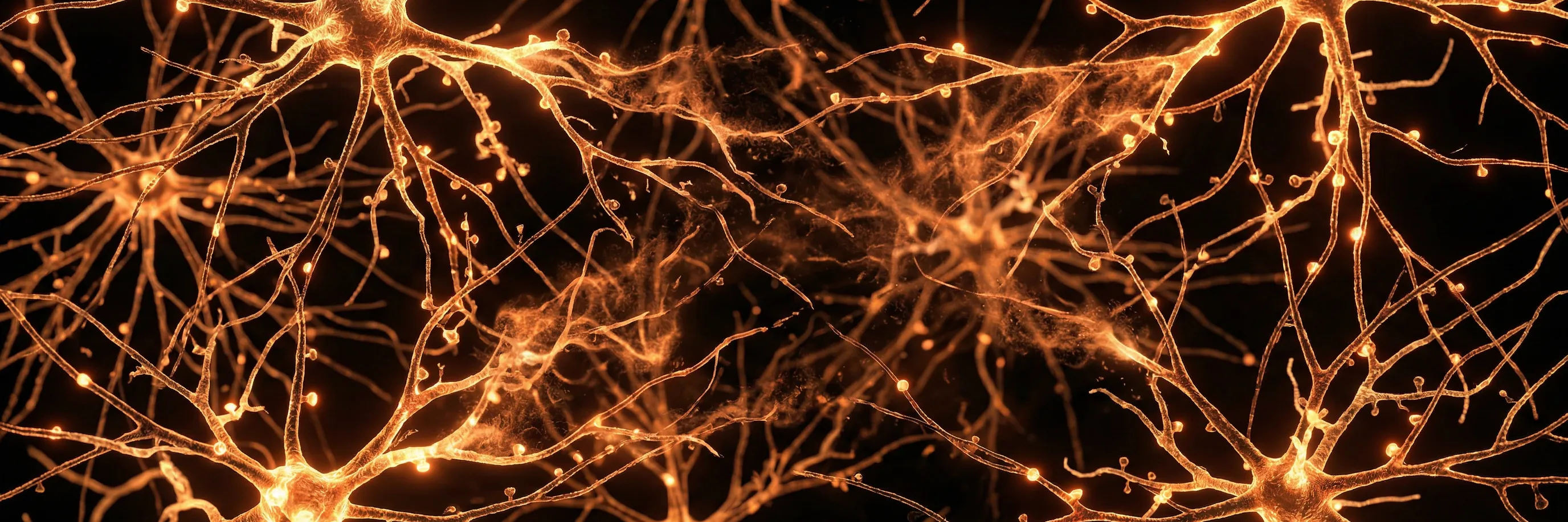
At hour 79 of quitting smoking (day 4), nicotine has been completely cleared from your body. Without nicotine's vasoconstrictive effect on oral mucosal capillaries, gingival blood flow is measurably increasing. Blood is reaching gum tissue that cigarette smoke kept starved, which is why your mouth feels tingly, warm or unusually sensitive. The same returning circulation is why coffee and food are starting to taste like more than smoke. This is a normal and documented stage of smoking withdrawal.
WHAT'S HAPPENING IN YOUR BODY
Without nicotine's vasoconstrictive effect on oral mucosal capillaries, gingival blood flow is measurably increasing. This improved perfusion accelerates delivery of immune cells and growth factors to periodontal tissues damaged by smoking aerosols. Cigarette smoke contains over 7,000 chemicals — the nicotine is what hooks you, but the combustion byproducts (tar, carbon monoxide, formaldehyde, benzene) are what cause the most physical damage. As nicotine clears, so does the constant exposure to these toxins.
At this moment — "Gingival Blood Flow Increasing" — your body is completely nicotine-free and focused on neurological and tissue recovery.
Day 4: your brain is actively pruning surplus nicotinic acetylcholine receptors — the neurological infrastructure that cigarettes built over years. A pack-a-day habit delivered approximately 200 hits of nicotine daily. That network is being dismantled. Meanwhile, your lungs' mucociliary escalator is reactivating — the tiny cilia paralyzed by hot smoke are regenerating. You may notice increased coughing and mucus. This is healing, not a new symptom.
HOW YOU'RE FEELING
Heightened awareness of oral sensations, including slight tingling or warmth in the gums.
Morning hours carry heavy trigger load for smokers — the commute, the work break, the mid-morning coffee. Each of these was a smoking ritual. Today, each one you pass through without a cigarette weakens the association. It doesn't feel like progress, but it is.
For smokers, this phase is dominated by routine triggers — the deeply wired associations between specific daily moments and reaching for a cigarette. The five most common: morning coffee (the strongest single trigger for most smokers), post-meal satisfaction, work break socializing, driving, and the evening wind-down. Each trigger fires the same neural pathway that led to a cigarette thousands of times before. The key insight: the trigger fires, but the craving it produces is weaker each time you don't act on it. You're not just enduring these moments — you're actively rewiring them by choosing a different response.
WHAT TO DO RIGHT NOW
Brush teeth with a soft-bristled toothbrush for a full two minutes and floss gently — improved circulation makes gum tissue more responsive to hygiene.
Social strategy for smokers: This is the week where social triggers peak. If your workplace has a smoking area, avoid it — even if it means losing the social connection temporarily. Take your breaks somewhere else. Walk, don't stand.
If you have a partner or roommate who smokes, this is the hardest configuration. Have an honest conversation: "I need you to not offer me cigarettes and not smoke in shared spaces for the next two weeks." Most people will respect this. If they don't, that tells you something important about the relationship.
Meal triggers: The post-meal cigarette is one of the strongest smoking associations. Replace it with an action that signals "meal is over" to your brain: brush your teeth immediately, take a short walk, or chew strong mint gum. The signal needs to be physical and immediate.
WHAT TO EXPECT THIS HOUR
During this morning stretch on day 4 of quitting smoking, withdrawal symptoms are intense — this is one of the harder hours. Blood is returning to gum tissue that smoke kept constricted, so your mouth may feel strange this morning — tingling, warm, oddly sensitive. You're in the Peak Withdrawal phase (Days 4-7). Brush and rinse when a craving hits; a clean mouth is genuinely hard to reconcile with wanting a cigarette.
BODY CHANGES
Nicotine level: 0% — completely cleared from your bloodstream. Your body achieved full nicotine clearance at hour 72.
Nicotinic acetylcholine receptor downregulation is actively occurring in your brain. The excess receptors built up over years of smoking is being pruned back toward non-smoker baseline.
COMMON SYMPTOMS TODAY
FREQUENTLY ASKED QUESTIONS
Is it normal to feel this way 79 hours after quitting smoking?
Yes. At hour 79 (day 4), nicotine is completely gone from your body and what you are feeling is your brain and lungs recovering from years of cigarettes. Tingling or warmth in the gums is circulation returning to tissue that smoke kept starved. Symptoms are high at this stage, but this is a documented part of smoking withdrawal and it passes.
Will my gums and breath actually recover from smoking?
Blood flow to the gums improves within days of the last cigarette, which is what you are feeling now. Better perfusion delivers immune cells and growth factors to periodontal tissue that smoking damaged, and it also clears the stale smoke smell from your breath and clothes. Existing gum disease still needs a dentist, but the environment for healing changes immediately.
Why does my mouth feel so strange today?
Two things at once: gum circulation is increasing, and taste receptors are regenerating. Taste and smell sharpen steadily from day 2 through day 14, so ordinary food and drink can feel unexpectedly intense this week.
Get hour-by-hour guidance, push notification briefings, and audio coaching delivered to your phone.