GIỜ 83 TRONG TỔNG SỐ 336Tần Suất Cơn Thèm Ngày Bốn
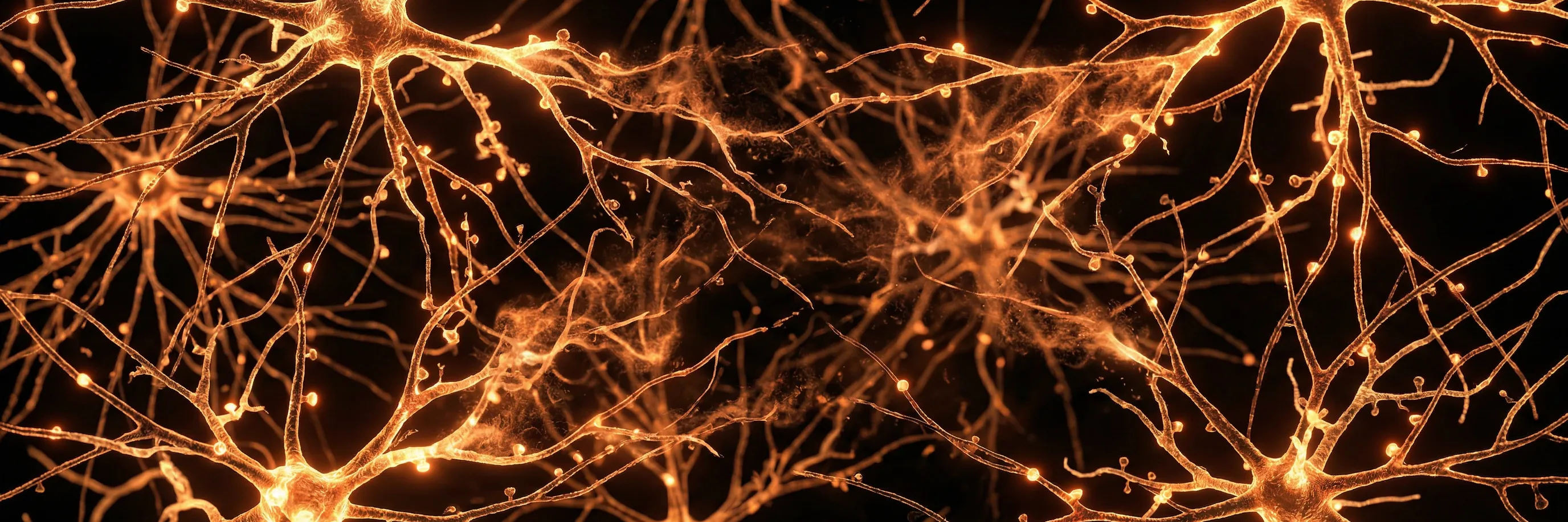
Ở giờ 83 cai thuốc lá (ngày 4), nicotine đã được loại bỏ hoàn toàn khỏi cơ thể bạn. Tần Suất Cơn Thèm Ngày Bốn: Các cơn thèm trung bình đã giảm xuống khoảng 5-6 lần mỗi ngày, giảm từ 8-10 lần trong giai đoạn cai nghiện cấp tính. Cơn thèm cảm thấy ít cấp bách về thể chất hơn nhưng thuyết phục hơn về tâm lý — tâm trí biện minh thay vì la hét. Đây là giai đoạn bình thường và được ghi nhận của cai thuốc lá.
ĐIỀU GÌ ĐANG DIỄN RA TRONG CƠ THỂ BẠN
Các cơn thèm trung bình đã giảm xuống khoảng 5-6 lần mỗi ngày, giảm từ 8-10 lần trong giai đoạn cai nghiện cấp tính. Mỗi cơn kéo dài 3-5 phút. Vỏ não trước trán đang dần khẳng định lại kiểm soát từ trên xuống đối với các tín hiệu thôi thúc từ hệ limbic. Khói thuốc lá chứa hơn 7.000 hóa chất — nicotine là thứ khiến bạn nghiện, nhưng các sản phẩm cháy (nhựa than, carbon monoxide, formaldehyde, benzene) mới là nguyên nhân gây ra hầu hết tổn thương thể chất. Khi nicotine được loại bỏ, việc tiếp xúc liên tục với những độc tố này cũng chấm dứt.
Tại thời điểm này — "Tần Suất Cơn Thèm Ngày Bốn" — cơ thể bạn đã hoàn toàn không có nicotine và tập trung vào phục hồi thần kinh và mô.
Ngày 4: não bộ bạn đang tích cực cắt tỉa các thụ thể nicotinic acetylcholine dư thừa — cơ sở hạ tầng thần kinh mà thuốc lá đã xây dựng trong nhiều năm. Thói quen hút một bao thuốc mỗi ngày cung cấp khoảng 200 liều nicotine hàng ngày. Mạng lưới đó đang được tháo dỡ. Đồng thời, thang cuốn mucociliary trong phổi bạn đang được kích hoạt lại — những lông mao nhỏ bị tê liệt bởi khói nóng đang tái sinh. Bạn có thể thấy ho và đờm tăng. Đây là sự chữa lành, không phải triệu chứng mới.
CẢM GIÁC CỦA BẠN
Cơn thèm cảm thấy ít cấp bách về thể chất hơn nhưng thuyết phục hơn về tâm lý — tâm trí biện minh thay vì la hét.
Các giờ sáng mang theo gánh nặng kích thích lớn đối với người hút thuốc — việc đi lại, nghỉ giải lao, cà phê giữa buổi sáng. Mỗi điều này đều là nghi lễ hút thuốc. Hôm nay, mỗi thời điểm bạn vượt qua mà không hút thuốc sẽ làm yếu đi sự liên kết. Không cảm thấy như tiến bộ, nhưng đó là tiến bộ.
Đối với người hút thuốc, giai đoạn này bị chi phối bởi các kích thích thường ngày — những liên kết được kết nối sâu giữa các thời điểm hàng ngày cụ thể và việc với tay lấy thuốc lá. Năm điều phổ biến nhất: cà phê sáng (kích thích đơn lẻ mạnh nhất đối với hầu hết người hút thuốc), cảm giác thỏa mãn sau bữa ăn, giao lưu trong giờ nghỉ làm việc, lái xe, và thư giãn buổi tối. Mỗi kích thích kích hoạt cùng một con đường thần kinh đã dẫn đến việc hút thuốc hàng ngàn lần trước đó. Hiểu biết quan trọng: kích thích kích hoạt, nhưng cơn thèm nó tạo ra yếu đi mỗi lần bạn không hành động theo nó. Bạn không chỉ chịu đựng những thời điểm này — bạn đang tích cực kết nối lại chúng bằng cách chọn phản ứng khác.
VIỆC CẦN LÀM NGAY LÚC NÀY
Khi cơn thèm tấn công, hãy cầm một viên đá trong nắm tay khép trong 60 giây — cảm giác lạnh dữ dội cạnh tranh cùng nguồn tài nguyên chú ý thần kinh.
Chiến lược xã hội cho người hút thuốc: Đây là tuần mà các kích thích xã hội đạt đỉnh. Nếu nơi làm việc của bạn có khu vực hút thuốc, hãy tránh nó — ngay cả khi điều đó có nghĩa là tạm thời mất kết nối xã hội. Nghỉ giải lao ở nơi khác. Đi bộ, đừng đứng.
Nếu bạn có bạn đời hoặc người cùng phòng hút thuốc, đây là tình huống khó khăn nhất. Hãy có cuộc trò chuyện thẳng thắn: "Tôi cần bạn không mời tôi hút thuốc và không hút thuốc trong không gian chung trong hai tuần tới." Hầu hết mọi người sẽ tôn trọng điều này. Nếu họ không làm thế, điều đó cho bạn biết điều gì đó quan trọng về mối quan hệ.
Kích thích bữa ăn: Điếu thuốc sau bữa ăn là một trong những liên kết hút thuốc mạnh nhất. Thay thế nó bằng hành động báo hiệu "bữa ăn đã kết thúc" cho não bộ: đánh răng ngay lập tức, đi bộ ngắn, hoặc nhai kẹo cao su bạc hà mạnh. Tín hiệu cần phải là thể chất và tức thì.
ĐIỀU MONG ĐỢI TRONG GIỜ NÀY
Trong khoảng thời gian sáng này của ngày 4 cai thuốc lá, các triệu chứng cai nghiện dữ dội — đây là một trong những giờ khó khăn hơn. Cơ thể bạn hoàn toàn không có nicotine — tất cả các triệu chứng còn lại đều là thích nghi thần kinh, không phải cai hóa học. Bạn đang ở giai đoạn Cai Nghiện Đỉnh Điểm (Ngày 4-7). Nicotine đã biến mất từ lâu — những gì bạn trải nghiệm bây giờ là hệ thống thụ thể não bộ tái hiệu chỉnh để hoạt động mà không có những liều nicotine thường xuyên từ thuốc lá.
THAY ĐỔI CƠ THỂ
Mức nicotine: 0% — hoàn toàn loại bỏ khỏi máu. Cơ thể bạn đạt được việc loại bỏ nicotine hoàn toàn ở giờ 72.
Việc điều chỉnh giảm thụ thể nicotinic acetylcholine đang diễn ra tích cực trong não bạn. Các thụ thể dư thừa tích tụ qua nhiều năm hút thuốc đang được cắt tỉa về mức cơ bản của người không hút thuốc.
TRIỆU CHỨNG THƯỜNG GẶP HÔM NAY
CÂU HỎI THƯỜNG GẶP
Có bình thường khi cảm thấy như thế này sau 83 giờ cai thuốc lá không?
Có. Ở giờ 83 (ngày 4), cơ thể bạn hoàn toàn không có nicotine và đang trải qua thích nghi thần kinh. Các triệu chứng bạn đang trải nghiệm — cao ở giai đoạn này — là một phần được ghi nhận của cai nicotine và chúng sẽ qua đi.
Tại sao tôi vẫn cảm thấy tệ vào ngày 4 nếu nicotine đã ra khỏi cơ thể?
Nicotine đã rời khỏi cơ thể bạn vào khoảng giờ 72, nhưng não bộ vẫn đang tái hiệu chỉnh. Hút thuốc khiến não bạn phát triển thêm các thụ thể nicotinic acetylcholine để xử lý nguồn cung nicotine liên tục. Giờ đây nguồn cung đó đã biến mất, những thụ thể dư thừa đó đang được cắt tỉa — một quá trình gọi là điều chỉnh giảm. Điều này mất vài ngày đến vài tuần. Những gì bạn cảm thấy không còn là cai hóa học nữa; đó là não bộ tự kết nối lại về mặt vật lý. Đó là tiến bộ, dù không cảm thấy như thế.
Nhận hướng dẫn từng giờ, thông báo định kỳ và tư vấn audio được gửi thẳng đến điện thoại của bạn.