القلق والأرق بعد الإقلاع عن التدخين الإلكتروني
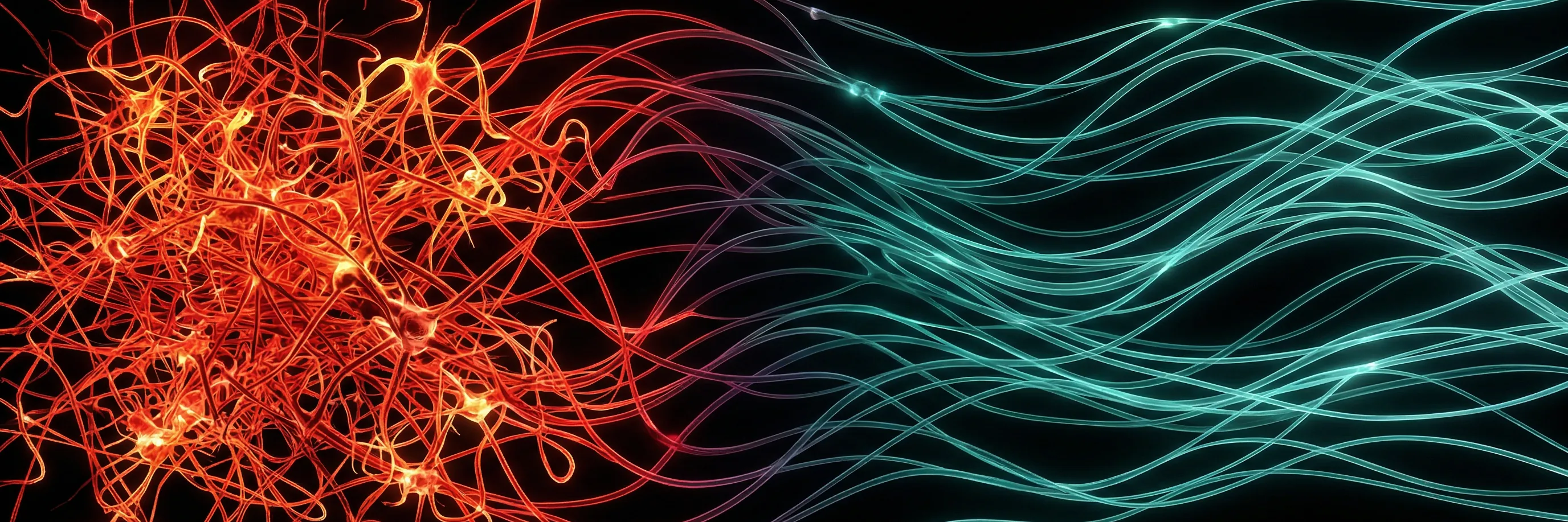
يبدأ القلق والأرق بعد الإقلاع عن التدخين الإلكتروني خلال ساعات من آخر نفس ويبلغان ذروتهما خلال الأيام 1-3. القلق دوائي — مدفوع بنقص إشباع مستقبلات النيكوتين، وارتفاع الكورتيزول، واضطراب إشارات GABA — وليس علامة على اضطراب قلق كامن. لدى معظم الناس، ينخفض قلق الانسحاب بشكل كبير بحلول اليوم 7 ويختفي بحلول اليوم 14. إدراك أن القلق مؤقت ومدفوع كيميائياً يجعل تحمله أسهل دون العودة إلى سيجارتك الإلكترونية.
القلق أثناء انسحاب التدخين الإلكتروني من أقسى الأعراض، لأن الشيء الذي سيخففه فوراً — النيكوتين — هو نفسه الشيء الذي تقلع عنه. هذا يخلق دورة مفرغة: الانسحاب يسبب القلق، والقلق يثير الرغبة الشديدة، والرغبة تخلق مزيداً من القلق. كسر هذه الدورة يتطلب إدراك أن القلق دوائي (وسيختفي من تلقاء نفسه) وامتلاك أدوات محددة لإدارة الذروات.
متى يبدأ
يبدأ القلق والأرق خلال 2-4 ساعات مع انخفاض مستويات النيكوتين دون عتبة تنشيط المستقبلات. أولى العلامات خفية: شعور بعدم الارتياح، صعوبة في الجلوس ساكناً، إحساس بأن شيئاً ما ليس على ما يرام دون أن تستطيع تسميته. بحلول الساعات 6-12، يصبح القلق أكثر وضوحاً.
متى يبلغ ذروته
يبلغ القلق ذروته خلال الأيام 1-3، مع أشد النوبات غالباً بين الساعات 24-72. يتزامن هذا مع أقصى نقص في إشباع المستقبلات وأعلى مستويات الكورتيزول. قد تختبر أعراض قلق جسدية: تسارع الأفكار، ضيق في الصدر، تنفس سطحي، تعرق، وأرق يجعل الجلوس ساكناً مستحيلاً.
متى يختفي
ينخفض القلق بشكل كبير بحلول اليوم 5-7 مع إعادة معايرة نظام GABA وتطبيع مستويات الكورتيزول. بحلول اليوم 14، يكون القلق المرتبط بالانسحاب قد اختفى عادةً. إذا كان لديك قلق قبل التدخين الإلكتروني، فقد يعود إلى خط الأساس السابق له — كان النيكوتين يحجبه لا يعالجه. إذا استمر القلق بشكل كبير بعد أسبوعين، استشر طبيباً.
لماذا يحدث
ثلاث آليات كيميائية عصبية: (1) ارتفاع الكورتيزول — يحفز انسحاب النيكوتين المحور الوطائي-النخامي-الكظري، فيطلق الكورتيزول (هرمون التوتر) بمستويات مرتفعة. (2) اضطراب GABA — يعدّل النيكوتين إشارات GABA (الناقل العصبي المهدئ). الانسحاب يعطل هذا التعديل، ما يقلل قدرة دماغك على تهدئة نفسه. (3) نقص الدوبامين — انخفاض الدوبامين في مسار المكافأة يخلق شعوراً خلفياً بعدم الارتياح وعدم الرضا يفسره دماغك على أنه قلق.
ماذا تفعل
تقنية التنفس 4-7-8 هي أكثر تدخل حاد فعالية على الإطلاق: شهيق 4 ثوانٍ، حبس 7، زفير 8. الزفير الممتد ينشط العصب المبهم وينقل جهازك العصبي من الودي (الكر والفر) إلى نظير الودي (الراحة والهضم). استخدمها عند أول علامة على رغبة شديدة أو ارتفاع في القلق. التمرين البدني هو أفضل أداة مستدامة لمكافحة القلق أثناء الانسحاب — فهو يزيد إنتاج GABA ويحفز إطلاق الإندورفين. قلل الكافيين — فهو يضخم القلق عبر المسارات الأدرينالية نفسها التي يفرط الانسحاب في تنشيطها أصلاً. تقنيات التأريض: سمِّ 5 أشياء تراها، و4 تلمسها، و3 تسمعها، و2 تشمها، و1 تتذوقها. هذا الجرد الحسي يسحب انتباهك من دوامة القلق إلى اللحظة الحاضرة. إذا كان القلق شديداً، تحدث مع شخص ما — صديق، أو فرد من العائلة، أو خط مساعدة. التعبير عن القلق بالكلام يقلل حدته.
الساعات التي يظهر فيها هذا العرض
الأسئلة الشائعة
هل القلق بعد الإقلاع عن التدخين الإلكتروني طبيعي؟
طبيعي تماماً. القلق أحد أكثر أعراض انسحاب النيكوتين شيوعاً ودراسةً. إنه مدفوع بارتفاع الكورتيزول، واضطراب GABA، ونقص الدوبامين — وكلها تختفي مع إعادة معايرة دماغك. وهو ليس علامة على أنك تحتاج النيكوتين لإدارة القلق.
كم يستمر القلق بعد الإقلاع عن التدخين الإلكتروني؟
يبلغ القلق المرتبط بالانسحاب ذروته خلال الأيام 1-3، وينخفض بشكل كبير بحلول اليوم 5-7، ويختفي عادةً بحلول اليوم 14. إذا كان لديك قلق سابق قبل التدخين الإلكتروني، فقد يستمر — كان النيكوتين يحجبه لا يعالجه، ويمكن لطبيب أن يساعدك في إدارته بشكل مناسب.
هل ساعدني التدخين الإلكتروني في قلقي، وهل سأكون أكثر قلقاً بدونه؟
النيكوتين يخلق دورة: يسبب قلق الانسحاب، ثم يخففه عندما تدخن إلكترونياً. ما يبدو وكأنه 'تخفيف للتوتر' هو في الحقيقة 'تخفيف للانسحاب'. غير مستخدمي السجائر الإلكترونية لا يمرون بهذه الدورة. بعد فترة الانسحاب (14 يوماً)، سيكون قلقك الأساسي عند مستواه الطبيعي — وهو لدى معظم الناس أقل مما كان عليه أثناء دورة الانسحاب-الراحة المستمرة للتدخين الإلكتروني النشط.
احصل على إرشاد ساعة بساعة، وإشعارات الإحاطات، والتدريب الصوتي على هاتفك.