DAY 7 OF 14Peak Withdrawal
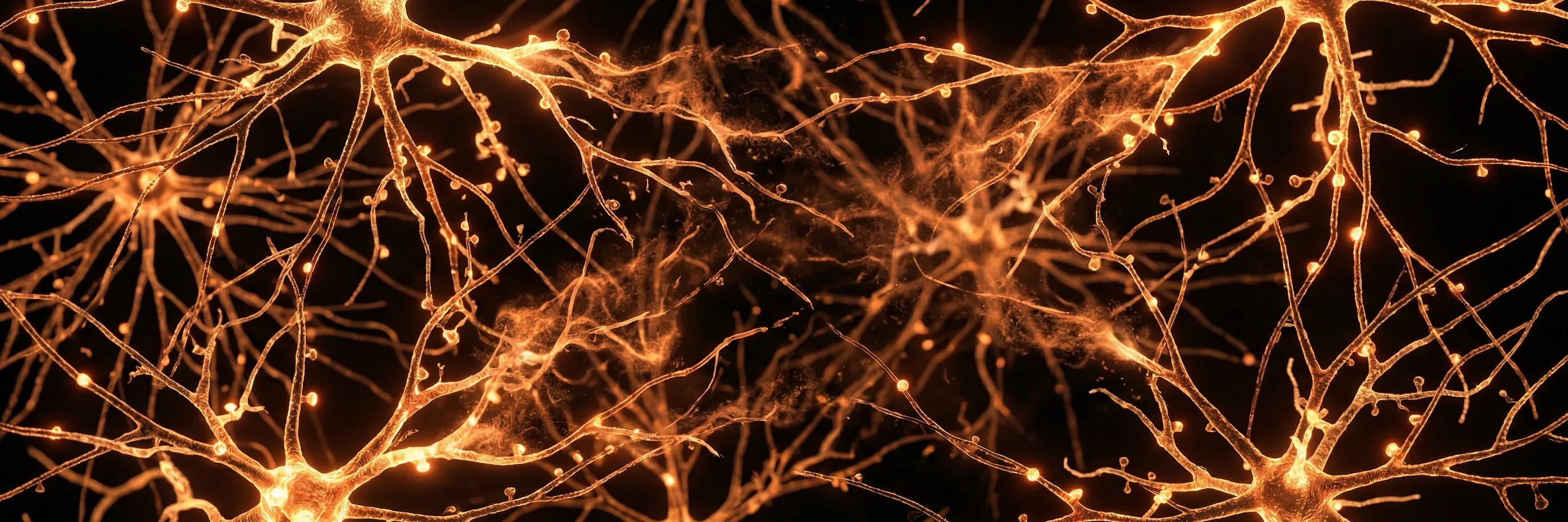
On day 7 of quitting smoking, overall withdrawal is usually low. Background anxiety is easing, breathing capacity is measurably better on stairs and brisk walks, and focus returns for longer stretches. Many people are down to around three cravings a day, mostly triggered by specific places and people. Fatigue, appetite and an occasional cough can linger into week 2.
What is happening in your body today
One week in, your brain has removed a large share of the surplus nicotine receptors, and dopamine production is recovering, so ordinary pleasures such as food, music and conversation begin to register again. The balance between calming and alerting signals is close to normal, which is why the low hum of edginess from earlier in the week usually fades today.
Your lungs are clearly working better. Cilia are sweeping tar out of the airways, inflammation inside them is settling, and the gain shows up as less breathlessness on hills and stairs. Your mouth and breath are cleaner, blood pressure continues to ease, skin is recovering from oxidative stress, and your body clock is falling back into a regular rhythm. Blood vessel repair is happening too, though you will not feel it directly.
What you will probably feel
- A few cravings. Expect a small number of urges, mostly social: someone lighting up, a drink, a break with colleagues who smoke.
- Lingering tiredness. Energy is returning but may still dip in the afternoon. This usually improves over the next few days.
- Clearer thinking. Brain fog lifts for longer periods, and tasks that felt heavy on day 4 feel manageable.
- Sharper taste. Food tastes more like food. Appetite is steady and can be larger than before you quit.
What helps today
- Test your breathing. Take the stairs or walk briskly and notice where your breath now runs out. Concrete evidence is more persuasive than reassurance.
- Plan social situations. Before meeting people who smoke, decide where you will stand and what you will hold. Have an exit line ready.
- Go to bed early. Sleep is when much of the repair and rewiring happens. An early night is one of the most useful things you can do this week.
- Call yourself a non-smoker. Use the word when someone offers you a cigarette. It is shorter than explaining.
DAY 7 · WATCH
Day 7 Quitting Cold Turkey: One Week — The Neuroscience of Who You Are Now
MILESTONES TODAY
COMMON SYMPTOMS TODAY
3 AUDIO BRIEFINGS TODAY
ALL 24 HOURS
FREQUENTLY ASKED QUESTIONS
What happens to your body 7 days after quitting smoking?
After a week, carbon monoxide and nicotine are long gone, breathing capacity is measurably improving, airway inflammation is settling and your blood pressure and heart rate are lower. Your brain has pruned many of the surplus receptors and dopamine is recovering, so mood is steadier and cravings are far less frequent.
What is the hardest week when you stop smoking?
The first week is usually the hardest, with days 2 to 4 at the peak. Most relapses happen early, mostly within the first eight days. Week 2 is generally easier physically, but complacency and social situations become the main risks, so it still needs a plan.
How long does fatigue last after quitting smoking?
Tiredness typically starts around days 2 to 3, peaks around days 3 to 5 and improves through days 7 to 10. Nicotine was a stimulant, so your body is learning to generate alertness on its own. Sleep, daylight, regular meals and light exercise speed this up. Fatigue that persists or worsens beyond two weeks is worth discussing with a doctor.
What should you avoid when quitting smoking?
Avoid testing yourself with one cigarette; it restarts the chemical cycle. Keep alcohol low in the early weeks, because it weakens resolve and is linked to smoking for many people. Avoid keeping a spare pack for emergencies and avoid long stretches without food. Do not judge your progress by your worst hour.
When are you considered a non-smoker?
There is no single cut-off. Research studies usually count someone as quit only after several months without smoking, and insurers and clinics use their own definitions. In daily life, you are a non-smoker from your last cigarette, and each week without one makes that more stable.
Get hour-by-hour guidance, push notification briefings, and audio coaching delivered to your phone.

