ЧАС 145 ИЗ 336Финальный статус рецепторов
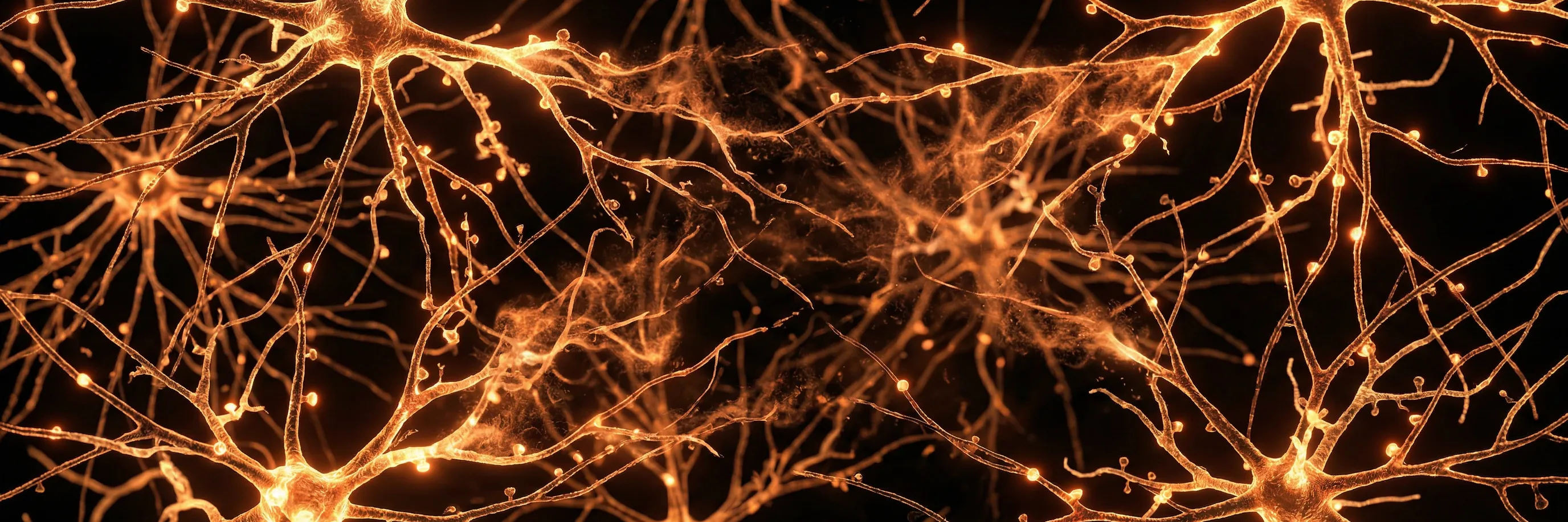
На 145-м часу отказа от курения (7-й день) никотин полностью выведен из организма. Финальный статус рецепторов: плотность nAChR-рецепторов приближается к 50% нормализации. Пробуждение на 7-й день может нести тихое чувство значимости — начало конца первой недели. Это нормальный и документированный этап никотиновой абстиненции.
ЧТО ПРОИСХОДИТ В ВАШЕМ ОРГАНИЗМЕ
Плотность nAChR-рецепторов приближается к 50% нормализации. Альфа-4-бета-2 подтип, самый распространенный никотиновый рецептор в мозге и основная мишень никотиновой зависимости, подвергается понижающей регуляции через убиквитин-протеасомную деградацию. Табачный дым содержит более 7000 химических веществ — никотин создает зависимость, но продукты горения (смолы, угарный газ, формальдегид, бензол) наносят наибольший физический ущерб. По мере выведения никотина исчезает и постоянное воздействие этих токсинов.
В этот момент — «Финальный статус рецепторов» — ваш организм полностью свободен от никотина и сосредоточен на неврологическом восстановлении и заживлении тканей.
7-й день: вы приближаетесь к середине неврологической перестройки. Тяга возникает реже — возможно, 3 раза в день — и длится меньше. Каждый эпизод тяги, который вы переживаете без сигареты, физически ослабляет нейронный путь, который ее вызывает. Ваша емкость легких (ОФВ1) показывает первые измеримые улучшения. Угарный газ был выведен несколько дней назад; теперь легкие устраняют структурные повреждения.
ЧТО ВЫ ЧУВСТВУЕТЕ
Пробуждение на 7-й день может нести тихое чувство значимости — начало конца первой недели.
Раннее утро — период высокого риска для бывших курильщиков. «Первая сигарета дня» часто была самой психологически закрепленной из всех ежедневных сигарет — связанной с пробуждением, кофе и переходом ото сна к бодрствованию. Ваш мозг прямо сейчас ищет этот сигнал. Замените его чем-то физическим: потянитесь, сполосните лицо холодной водой, выйдите на свежий воздух.
Для курильщиков эта фаза определяется триггерами привычки — глубоко укорененными ассоциациями между определенными ежедневными моментами и потягиванием к сигарете. Пять самых распространенных: утренний кофе (самый сильный единичный триггер для большинства курильщиков), удовлетворение после еды, общение во время рабочих перерывов, вождение и вечернее расслабление. Каждый триггер активирует тот же нейронный путь, который тысячи раз до этого приводил к сигарете. Ключевое понимание: триггер срабатывает, но тяга, которую он производит, становится слабее каждый раз, когда вы на нее не реагируете. Вы не просто переносите эти моменты — вы активно перепрограммируете их, выбирая другую реакцию.
ЧТО ДЕЛАТЬ ПРЯМО СЕЙЧАС
Напишите краткое письмо своему будущему «я», объясняя, почему вы бросили курить и чего эта неделя вам стоила эмоционально — запечатайте его и поставьте дату для вскрытия через 30 дней.
Социальная стратегия для курильщиков: Это неделя, когда социальные триггеры достигают пика. Если на вашем рабочем месте есть место для курения, избегайте его — даже если это означает временную потерю социальных связей. Делайте перерывы в другом месте. Ходите, не стойте.
Если у вас есть партнер или сосед по комнате, который курит, это самая сложная конфигурация. Откровенно поговорите: «Мне нужно, чтобы ты не предлагал мне сигареты и не курил в общих местах следующие две недели». Большинство людей это уважают. Если нет, это говорит кое-что важное об отношениях.
Триггеры после еды: Сигарета после еды — одна из самых сильных курительных ассоциаций. Замените ее действием, которое сигнализирует мозгу «еда окончена»: немедленно почистите зубы, совершите короткую прогулку или пожуйте крепкую мятную жвачку. Сигнал должен быть физическим и немедленным.
ЧТО ОЖИДАТЬ В ЭТОТ ЧАС
В эти ранние утренние часы 7-го дня отказа от курения симптомы абстиненции умеренные — заметные, но переносимые. Ваш организм полностью свободен от никотина — все оставшиеся симптомы являются неврологической адаптацией, а не химической абстиненцией. Вы находитесь в фазе пиковой абстиненции (4-7 дни). Никотин давно исчез — то, что вы сейчас испытываете, это перекалибровка рецепторной системы мозга для функционирования без регулярных никотиновых ударов от сигарет.
ИЗМЕНЕНИЯ В ОРГАНИЗМЕ
Уровень никотина: 0% — полностью выведен из кровотока. Ваш организм достиг полного выведения никотина в 72-й час.
Понижающая регуляция никотиновых ацетилхолиновых рецепторов активно происходит в вашем мозге. Избыточные рецепторы, накопленные за годы курения, обрезаются обратно к базовому уровню некурящего.
ЧАСТЫЕ СИМПТОМЫ СЕГОДНЯ
ЧАСТО ЗАДАВАЕМЫЕ ВОПРОСЫ
Нормально ли чувствовать себя так через 145 часов после отказа от курения?
Да. На 145-м часе (7-й день) ваш организм полностью свободен от никотина и проходит неврологическую адаптацию. Симптомы, которые вы испытываете — средней интенсивности на этом этапе — являются документированной частью никотиновой абстиненции, и они пройдут.
Почему я все еще чувствую себя плохо на 7-й день, если никотин уже вышел из организма?
Никотин покинул ваш организм около 72-го часа, но ваш мозг все еще перекалибруется. Курение заставило ваш мозг вырастить дополнительные никотиновые ацетилхолиновые рецепторы для обработки постоянного поступления никотина. Теперь это поступление прекратилось, и эти лишние рецепторы обрезаются — процесс, называемый понижающей регуляцией. Это занимает дни или недели. То, что вы чувствуете, больше не является химической абстиненцией; это физическая перестройка вашего мозга. Это прогресс, хотя так не ощущается.
Получайте почасовое руководство, уведомления с инструктажем и аудио-коучинг прямо на свой телефон.