HOUR 167 OF 336One Hour From Seven Days
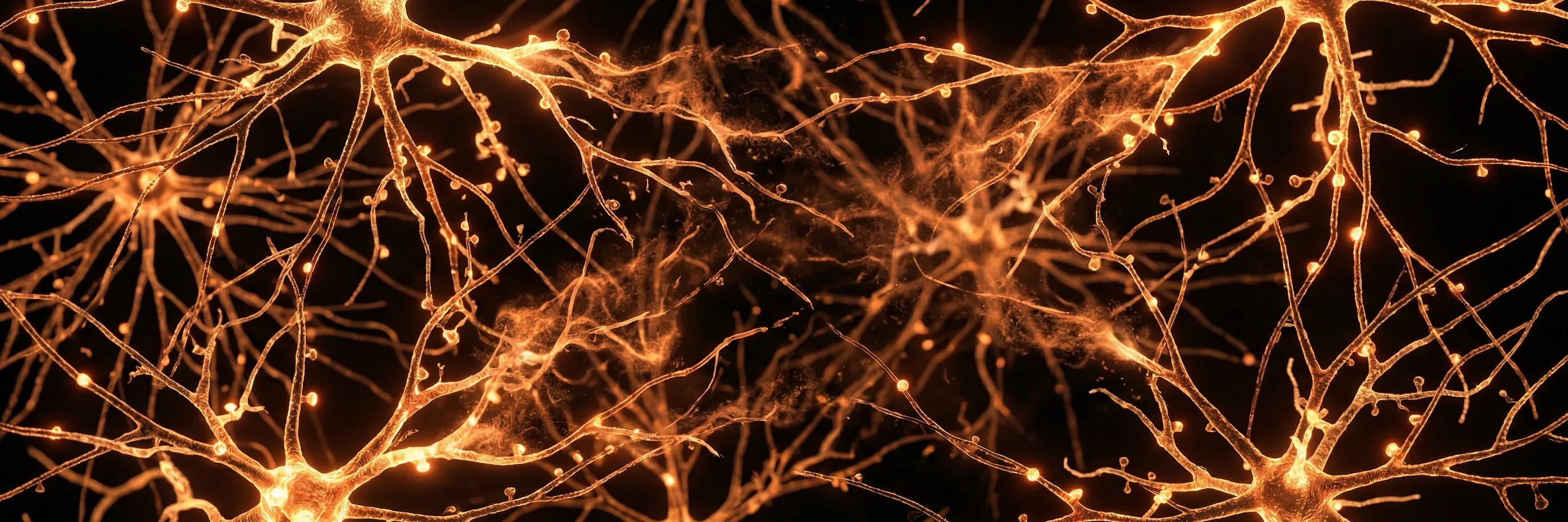
At hour 167 of quitting smoking (day 7), nicotine has been completely cleared from your body. One Hour From Seven Days: The brain's reward, executive, and homeostatic systems have undergone substantial reorganization over seven days. Sixty minutes from now you will have gone a full week without a cigarette — through every trigger a week contains, including the ones you were dreading. The hardest neurochemical work is behind you; what is left is cue and habit.
WHAT'S HAPPENING IN YOUR BODY
The brain's reward, executive, and homeostatic systems have undergone substantial reorganization over seven days. Receptor density, neurotransmitter levels, and circuit-level connectivity are all measurably closer to non-nicotine-user patterns. The neurological foundation for sustained abstinence is built. Cigarette smoke contains over 7,000 chemicals — the nicotine is what hooks you, but the combustion byproducts (tar, carbon monoxide, formaldehyde, benzene) are what cause the most physical damage. As nicotine clears, so does the constant exposure to these toxins.
At this moment — "Pre-Milestone Neural State" — your body is completely nicotine-free and focused on neurological and tissue recovery.
Day 7: you're approaching the halfway point of the neurological rewire. Cravings are less frequent — perhaps 3 per day — and shorter. Each one you survive without lighting up physically weakens the neural pathway that drives it. Your lung capacity (FEV1) is showing its first measurable improvement. Carbon monoxide was cleared days ago; now your lungs are addressing the structural damage.
HOW YOU'RE FEELING
Quiet determination mixed with appropriate vigilance — the knowledge that the hardest neurochemical work is behind you.
Evening carries powerful associations for smokers — the wind-down smoke, the after-dinner cigarette, the nightcap on the porch. These are comfort rituals, not just nicotine delivery. Replacing them requires not just avoiding the cigarette but actively creating a new wind-down routine. A warm drink, light stretching, or reading can signal "day is ending" to your brain without the smoke.
For smokers, this phase is dominated by routine triggers — the deeply wired associations between specific daily moments and reaching for a cigarette. The five most common: morning coffee (the strongest single trigger for most smokers), post-meal satisfaction, work break socializing, driving, and the evening wind-down. Each trigger fires the same neural pathway that led to a cigarette thousands of times before. The key insight: the trigger fires, but the craving it produces is weaker each time you don't act on it. You're not just enduring these moments — you're actively rewiring them by choosing a different response.
WHAT TO DO RIGHT NOW
Prepare for tomorrow by reviewing your reasons for quitting and updating your strategy for the next phase — planning during strength prevents failure during weakness.
Social strategy for smokers: This is the week where social triggers peak. If your workplace has a smoking area, avoid it — even if it means losing the social connection temporarily. Take your breaks somewhere else. Walk, don't stand.
If you have a partner or roommate who smokes, this is the hardest configuration. Have an honest conversation: "I need you to not offer me cigarettes and not smoke in shared spaces for the next two weeks." Most people will respect this. If they don't, that tells you something important about the relationship.
Meal triggers: The post-meal cigarette is one of the strongest smoking associations. Replace it with an action that signals "meal is over" to your brain: brush your teeth immediately, take a short walk, or chew strong mint gum. The signal needs to be physical and immediate.
WHAT TO EXPECT THIS HOUR
As the evening progresses on day 7 of quitting smoking, withdrawal symptoms are relatively manageable. One hour from the week mark, the useful posture is quiet vigilance rather than celebration. Nicotine has been gone since hour 72. Do not go looking for a way to mark the occasion that involves a cigarette, a smoking friend or a bar you always smoked outside — get to hour 168 the same way you got to this one.
BODY CHANGES
Nicotine level: 0% — completely cleared from your bloodstream. Your body achieved full nicotine clearance at hour 72.
Nicotinic acetylcholine receptor downregulation is actively occurring in your brain. The excess receptors built up over years of smoking is being pruned back toward non-smoker baseline.
FREQUENTLY ASKED QUESTIONS
Is it normal to feel this way 167 hours after quitting smoking?
Yes. At hour 167 (day 7), your body is completely free of nicotine and one hour from a full smoke-free week. Symptoms are low at this stage and are a documented part of smoking withdrawal.
What actually changes at one week without cigarettes?
Receptor density, neurotransmitter levels and circuit-level connectivity are all measurably closer to non-smoker patterns than they were seven days ago. Practically: cravings down to about three a day, sleep normalizing, breathing measurably better, taste and smell returning. The neurological foundation for staying stopped is built by the end of the first week.
I feel confident all of a sudden — is that a risk?
It can be. Confidence at the one-week mark is where 'I could have one and be fine' gets its opening, and one cigarette re-engages the pathway you have spent a week weakening. Hold the confidence and the rule at the same time: you do not smoke, and hour 168 does not change that.
Get hour-by-hour guidance, push notification briefings, and audio coaching delivered to your phone.

