DAY 6 OF 14Peak Withdrawal
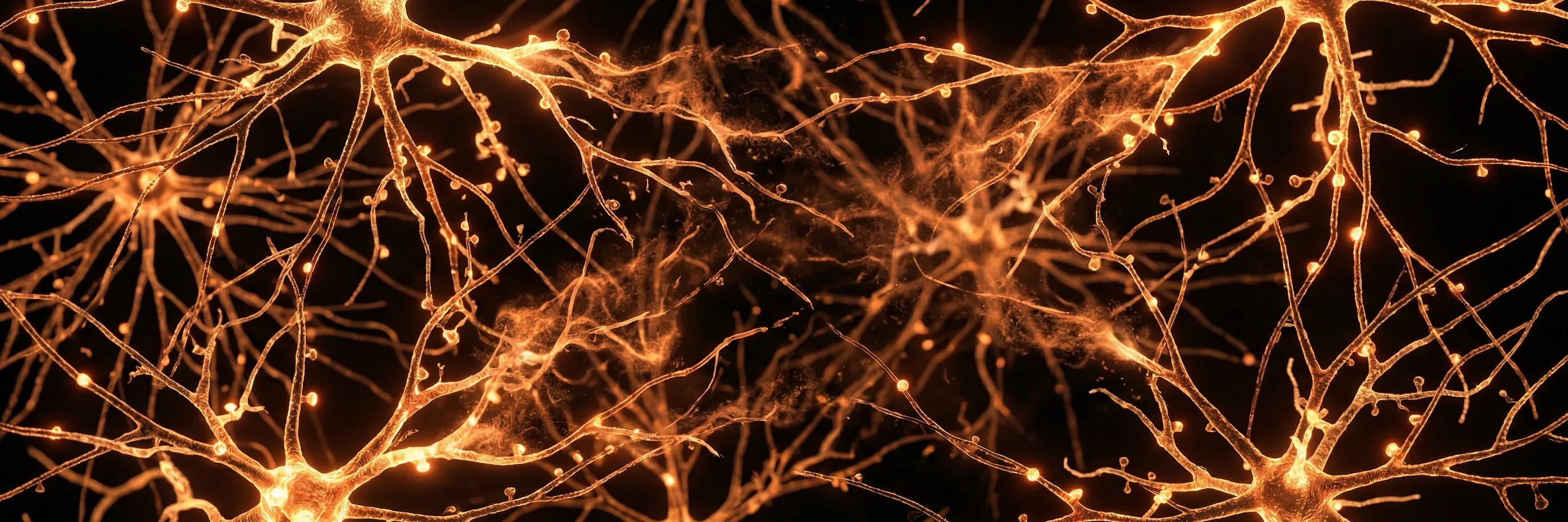
On day 6 of quitting smoking, withdrawal is usually moderate. Cotinine, the last trace of nicotine, reaches background levels early in the day. Mood swings narrow, your pulse settles, and new cells are replacing the lining of your airways, which can keep a cough going. Each trigger you meet without smoking now loosens its grip a little, and other people's smoke starts to smell strong.
What is happening in your body today
Around hour 124 cotinine reaches background levels, so there is no meaningful nicotine-derived chemistry left in your body. Your brain is rebuilding: a protein called BDNF that supports learning and new connections is recovering after the dip that followed your last cigarette, and the raw materials for serotonin, a mood-regulating chemical, are being restored. Mood swings tend to be smaller and shorter than earlier in the week.
In your airways, basal cells are dividing into fresh cells with working cilia, replacing lining that smoke had flattened. Tiny air sacs are regaining their protective coating. Resting pulse is lower, vagal tone, the body's braking system for heart rate and stress, is returning, and deep sleep is improving even if dreams are still vivid. Your sense of smell is sharp enough that stale smoke on clothes or in a stairwell may now seem unpleasant.
What you will probably feel
- Patterned cravings. Urges cluster around specific routines, most often after lunch and in the evening. Between them, many hours may pass without one.
- Real hunger. Appetite is steady and strong. Some of what feels like a craving is actually hunger.
- Ongoing cough. Coughing may continue or come in bursts as new airway cells clear debris.
- Calmer moods. Irritability usually softens on day 6, though a bad moment can still flare quickly.
What helps today
- Break the after-lunch loop. Plan the ten minutes after lunch: a walk, a call, brushing your teeth. That gap is where the cigarette used to live.
- Eat before you decide. When an urge hits near a mealtime, eat or drink something first. If the urge fades, it was hunger.
- Wash the smoke out. Clean jackets, car seats and curtains that still hold smoke. The smell is a cue, and you can now notice it.
- Learn something small. Read, practise a skill or take a new route. Your brain is primed to form new connections this week.
DAY 6 · WATCH
Day 6 Quitting Cold Turkey: Neural Consolidation and One Day From One Week
MILESTONES TODAY
COMMON SYMPTOMS TODAY
3 AUDIO BRIEFINGS TODAY
ALL 24 HOURS
FREQUENTLY ASKED QUESTIONS
What happens 6 days after quitting smoking?
By day 6, cotinine has reached background levels, the lining of your airways is being renewed, resting pulse is lower and deep sleep is improving. Mood is steadier than earlier in the week. Cravings are fewer and tied to particular routines, and each time you meet one without smoking, that routine's pull weakens.
What happens on day 7 of quitting smoking?
Day 7 is usually the first day with low overall withdrawal. Background anxiety eases, breathing capacity is measurably better on stairs or a brisk walk, and focus returns for longer stretches. Many people have only a few cravings a day by the end of the first week.
Why does cigarette smoke smell so strong now?
Smoke dulled the nerve endings in your nose. After several days without it, your sense of smell recovers enough to pick up smoke on clothes, in cars and from other smokers. Some people find this unpleasant, which helps. For others the smell is a trigger, so keep some distance from it for now.
What should I expect on day 8 of quitting smoking?
Day 8 can feel slightly harder than day 7 for some people. Physical symptoms are mild, so the mind starts arguing that one cigarette would not hurt. Your lungs are clearing faster, breathing on stairs is easier, and inflammation is falling. Plan for the urge to bargain rather than for strong physical cravings.
Get hour-by-hour guidance, push notification briefings, and audio coaching delivered to your phone.

