DAY 11 OF 14New Baseline
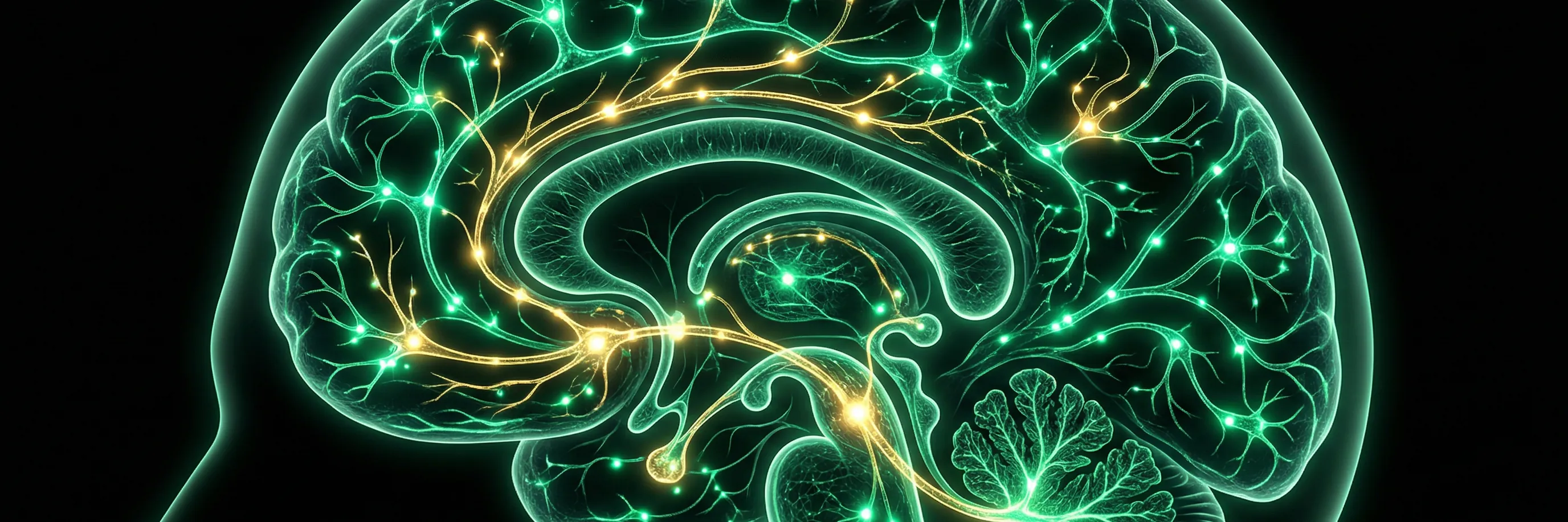
On day 11 of quitting smoking, withdrawal is essentially over for most people and symptoms are mild. Your metabolism has settled without nicotine's push, so appetite and weight may need attention. Cilia have regrown enough to clear tar steadily, your mouth chemistry has largely settled, and clotting and stroke-related risk factors keep falling. The main risk now is relaxing your guard.
What is happening in your body today
Nicotine artificially raised your metabolic rate and suppressed appetite. That boost has now settled, and the hormones that signal hunger and fullness, ghrelin and leptin, are rebalancing. The result is that you may be eating more while burning slightly less, which is why some weight gain is common in the weeks after quitting. Blood sugar is steadier than in week 1.
Your airways are well into repair. Cilia have regrown across much of the windpipe and bronchi and are sweeping debris upward, and the smaller airways are opening. Your mouth is less acidic, so food tastes markedly better. A blood-clotting protein is declining, arteries are more flexible, muscles are using oxygen better and immune defences are rebounding. In the brain, the circuits that once made smoking automatic are being dismantled.
What you will probably feel
- Mild, rare cravings. Urges are occasional and usually brief, but one can still surprise you in a familiar setting.
- Increased appetite. You may want larger portions or sweet food, especially in the afternoon.
- Freer breathing. Breathing feels deeper and some people still cough up mucus, especially in the morning.
- Calm without a cigarette. Stressful moments may now pass without the reflex to reach for your pocket.
What helps today
- Plan food, not willpower. Keep regular meals with protein and vegetables, and stock snacks you are comfortable eating often. Planning beats restriction.
- Move every day. Daily activity offsets the slower metabolism, improves mood and makes the breathing gains obvious.
- Keep one rule. No cigarette for any reason, including at a party, after a drink or during a crisis. One firm rule is easier to keep than a set of exceptions.
- Stay hydrated. Water helps loosen mucus that is still being cleared and can take the edge off afternoon snacking.
DAY 11 · WATCH
Day 11 Quitting Cold Turkey: Your Brain Is Pruning the Addiction
MILESTONES TODAY
COMMON SYMPTOMS TODAY
1 AUDIO BRIEFING TODAY
Hours with audio: H264
ALL 24 HOURS
FREQUENTLY ASKED QUESTIONS
What happens when you stop smoking for 11 days?
By day 11 your metabolism has settled, cilia are clearing tar steadily, the smaller airways are opening, mouth chemistry has normalized and clotting risk factors are lower. Withdrawal is essentially over for most people, and cravings are occasional and short. Brain receptors keep normalizing for several more weeks.
Is nicotine completely out of my system by day 11?
Yes. Nicotine itself is below standard detection after about 16 hours, and its breakdown product cotinine reaches background levels around hour 124, early on day 6. What you feel now is not nicotine leaving; it is your brain and body adjusting to life without it, and that adjustment continues for weeks.
Why am I gaining weight after quitting smoking?
Nicotine suppressed appetite and slightly raised the number of calories you burn. When it is gone, appetite rises and metabolism settles back, so some weight gain is common in the first months. Regular meals, protein, fiber and daily activity help. The health gains from stopping smoking far outweigh a modest weight change.
What should I expect at 14 days after quitting?
By day 14, acute withdrawal is over, stress hormones are close to your own baseline, breathing and circulation are clearly better and sleep is usually good. It is the end of the acute phase, not the end of the process: cue cravings can recur for weeks or months, and brain receptors take roughly 6 to 12 weeks to normalize.
Get hour-by-hour guidance, push notification briefings, and audio coaching delivered to your phone.

