الساعة 255 من 336استئناف تخليق الكولاجين
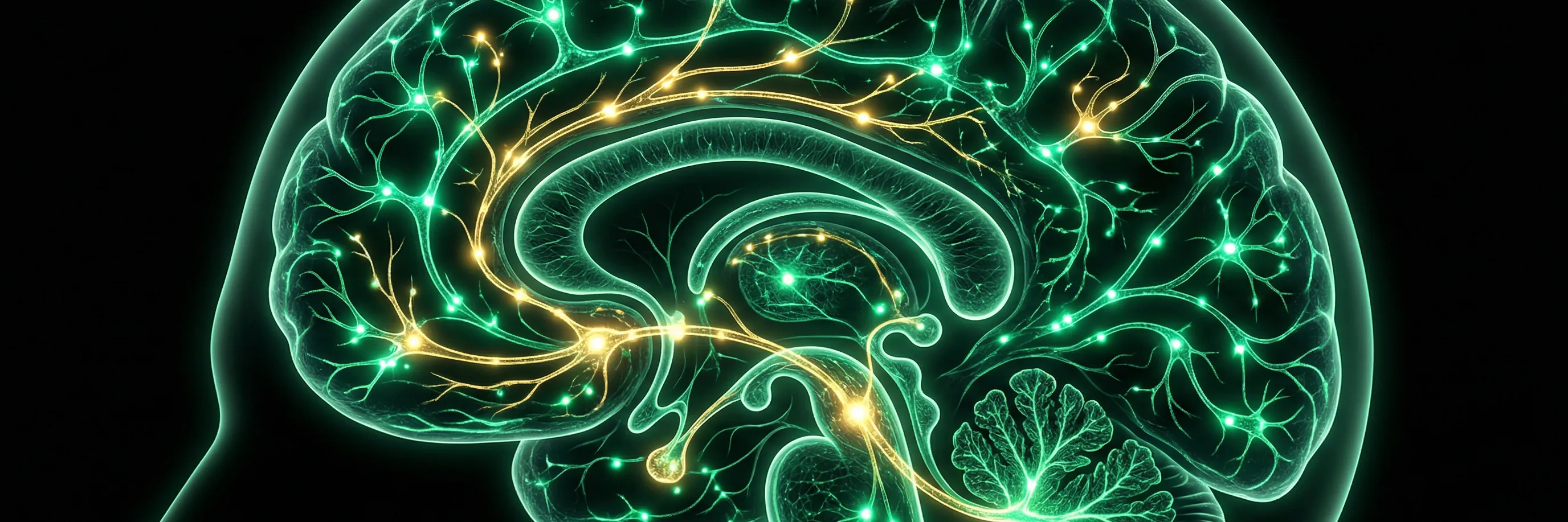
في الساعة 255 من الإقلاع عن التدخين (اليوم 11)، تم إزالة النيكوتين بالكامل من جسدك. استئناف تخليق الكولاجين: النشاط الليفي في الأدمة يتطبّع. صورة الذات تتحسن حيث التغيّرات الجسدية المرئية — الجلد والأسنان ونضارة الوجه — تعزز التحول الداخلي. هذه مرحلة طبيعية وموثّقة من انسحاب التدخين.
ما يحدث في جسمك
النشاط الليفي في الأدمة يتطبّع. معدلات تخليق الكولاجين من النوع الأول والثالث تزداد بينما فرط التعبير عن البروتيناز المعدني للمصفوفة ينخفض. يحتوي دخان السجائر على أكثر من 7,000 مادة كيميائية — النيكوتين هو ما يدمنك، لكن منتجات الاحتراق الثانوية (القطران وأول أكسيد الكربون والفورمالدهيد والبنزين) هي ما تسبب أكثر الأضرار الجسدية. مع زوال النيكوتين، يزول أيضاً التعرض المستمر لهذه السموم.
في هذه اللحظة — "استئناف تخليق الكولاجين" — جسدك خالٍ تماماً من النيكوتين ومركّز على التعافي العصبي والنسيجي.
اليوم 11: كثافة المستقبلات في دماغك تقترب من خط الأساس لغير المدخنين — حالة لم يكن فيها منذ أصبحت مدخناً منتظماً. الإدمان العصبي مكسور جوهرياً. حساسية الدوبامين قد تطبّعت — المكافآت الطبيعية تُسجَّل بالشدة المناسبة. تحسّن ملفك للمخاطر القلبية الوعائية بشكل كبير: ضغط الدم تطبّع، وزاد تغيّر معدل ضربات القلب، ومستويات الفيبرينوجين تنخفض.
كيف تشعر
صورة الذات تتحسن حيث التغيّرات الجسدية المرئية — الجلد والأسنان ونضارة الوجه — تعزز التحول الداخلي.
فترة بعد الظهر غالباً ما كان المدخنون يختبرون فيها "سيجارة المكافأة" — تدخين بعد الغداء، استراحة من يوم العمل، لحظة من التخلص من الضغط. الرغبة التي تشعر بها ليست جوعاً أو ملل؛ إنها نظام المكافآت في دماغك يطلب إدخاله المقرر. أعطه شيئاً آخر: مشية أو محادثة أو قطعة فاكهة.
المسارات العصبية التي دفعتك في السابق لإشعال سيجارة تتلاشى. محفز القهوة الصباحية، ورغبة ما بعد الوجبة، واستجابة التوتر — كل هذه يُعاد كتابتها بأنماط جديدة. سنوات التدخين خلقت مسارات محفورة بعمق في دماغك، لكن أربعة عشر يوماً من عدم التدخين المتسق أسست مسارات منافسة تقوى كل يوم. قد تظل لديك أفكار عرضية حول التدخين، لكن لاحظ كيف تغيّرت: أصبحت أهدأ وأقل إلحاحاً، أشبه بالذكريات منها بالأوامر. هذا هو الفرق بين الشهوة والفكر.
ماذا تفعل الآن
ضع كريم واقي الشمس يومياً — جلدك الشافي الآن يستحق الحماية، وأضرار الأشعة فوق البنفسجية ستبطئ تعافي الكولاجين الجاري.
الحماية المستقبلية للمدخنين: أهم محفزات الانتكاس للمدخنين السابقين في الأشهر 1-3 هي (1) شرب الكحول، خاصة في البيئات الاجتماعية حيث يدخن الآخرون، (2) التوتر الحياتي الكبير (فقدان الوظيفة، صراع العلاقات، الفجيعة)، (3) التفكير الحنيني ("كنت أستمتع بالتدخين حقاً" — دماغك يرومنس الإدمان). ضع خطة لكل منها. خاصية SOS في تطبيق 336 توفر تمرين تنفس لمدة 60 ثانية لطوارئ الشهوة.
تتبع المعالم: ضع 30 يوماً كهدفك التالي. في 30 يوماً خالٍ من التدخين، تكون رئتاك قد أحرزت تقدماً كبيراً في إزالة رواسب القطران. في 90 يوماً، تكون دورتك الدموية قد تحسّنت بشكل قابل للقياس. في سنة واحدة، تنخفض مخاطرك الزائدة لمرض الشريان التاجي إلى نصف مخاطر المدخن الحالي.
ما تتوقعه في هذه الساعة
هذا بعد الظهر في اليوم 11 من الإقلاع عن التدخين، أعراض الانسحاب قابلة للإدارة نسبياً. جسدك خالٍ تماماً من النيكوتين — جميع الأعراض المتبقية هي تكيف عصبي، وليس انسحاب كيميائي. وصلت إلى مرحلة الأساس الجديد (الأيام 11-14). دماغك وجسدك يؤسسان وضعهما الطبيعي الجديد بدون تدخين. الإدمان الفسيولوجي مكسور — ما يتبقى هو بناء عادات وهوية حياتك غير المدخنة.
تغيرات الجسم
مستوى النيكوتين: 0% — محذوف تماماً من مجرى دمك. حقق جسدك إزالة النيكوتين الكاملة في الساعة 72.
أهداب رئتيك — التراكيب الشعرية الدقيقة التي شُلّت بواسطة دخان السجائر — تتجدد وتبدأ في كنس القطران والحطام المتراكم خارج مجاريك الهوائية. هذا سبب سعالك أكثر: إنها علامة على الشفاء، وليس الضرر.
الأعراض الشائعة اليوم
الأسئلة الشائعة
هل من الطبيعي أن أشعر بهذه الطريقة بعد 255 ساعة من الإقلاع عن التدخين؟
نعم. في الساعة 255 (اليوم 11)، جسدك خالٍ تماماً من النيكوتين ويخضع للتكيف العصبي. الأعراض التي تختبرها — والتي منخفضة في هذه المرحلة — هي جزء موثّق من انسحاب النيكوتين وستزول.
هل أنا آمن من الانتكاس بعد 11 يوماً بدون تدخين؟
بعد 11 يوماً، إدمانك الفسيولوجي مكسور إلى حد كبير — كثافة مستقبلات الدماغ تقترب من خط أساس غير المدخنين. لكن خطر الانتكاس لا ينخفض إلى الصفر. اللحظات عالية الخطورة في الشهر القادم هي استهلاك الكحول والتوتر الشديد والحنين للطقوس. دفاعك: التزام الهوية. أنت لست "شخصاً أقلع عن التدخين" — أنت "شخص لا يدخن."
احصل على إرشاد ساعة بساعة، وإشعارات الإحاطات، والتدريب الصوتي على هاتفك.