HOUR 262 OF 336Small Airways Opening Up
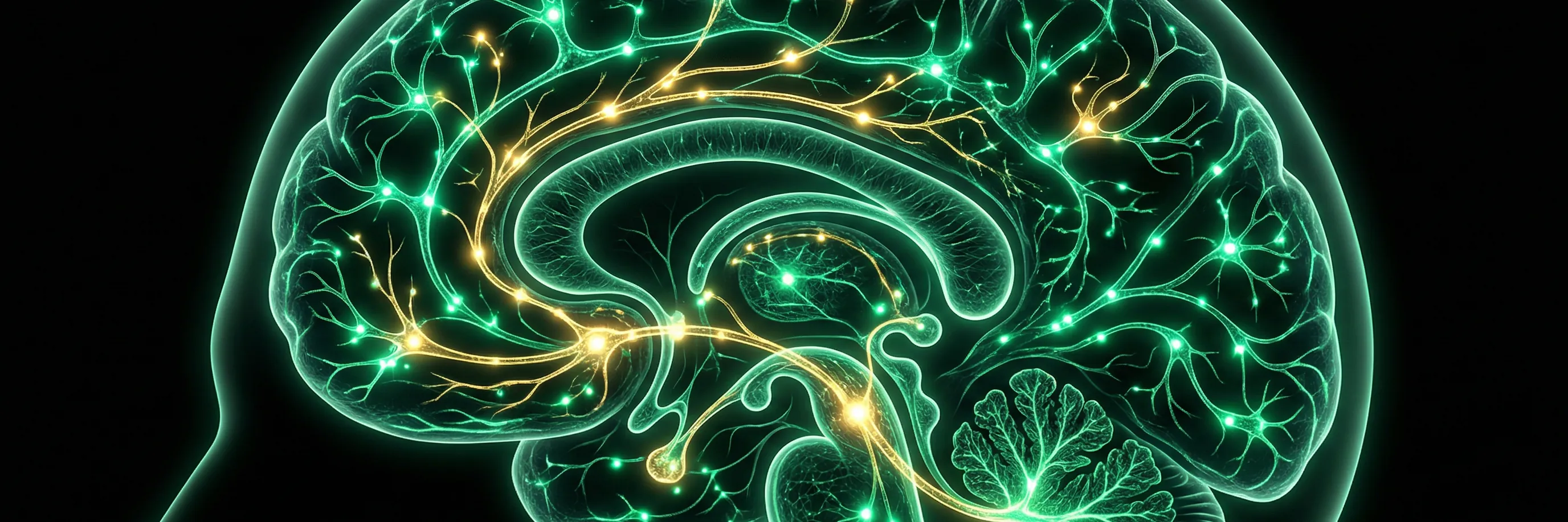
At hour 262 of quitting smoking (day 11), nicotine has been completely cleared from your body. Small Airways Opening Up: small airway resistance measured by spirometry is improving as bronchiolar inflammation subsides and smooth muscle reactivity settles. Nighttime breathing is easier and the smoker's chest tightness is resolving. Some cough remains as clearance continues over the coming weeks — that is regrown cilia working, not a sign anything is going backwards.
WHAT'S HAPPENING IN YOUR BODY
Small airway resistance, measured by spirometric indices like FEF25-75, is improving. Bronchiolar inflammation is subsiding and smooth muscle hyperreactivity is diminishing. Cigarette smoke contains over 7,000 chemicals — the nicotine is what hooks you, but the combustion byproducts (tar, carbon monoxide, formaldehyde, benzene) are what cause the most physical damage. As nicotine clears, so does the constant exposure to these toxins.
At this moment — "Airway Resistance Decreasing" — your body is completely nicotine-free and focused on neurological and tissue recovery.
Day 11: your brain's receptor density is approaching non-smoker baseline — a state it hasn't been in since you became a regular smoker. The acute neurological withdrawal has largely passed. Dopamine sensitivity has normalized — natural rewards register with appropriate intensity. Your cardiovascular risk profile has improved significantly: blood pressure normalized, heart rate variability increased, fibrinogen levels dropping.
HOW YOU'RE FEELING
Nighttime breathing is easier — the subtle wheezing or chest tightness from smoking-induced bronchoconstriction is resolving.
Evening carries powerful associations for smokers — the wind-down smoke, the after-dinner cigarette, the nightcap on the porch. These are comfort rituals, not just nicotine delivery. Replacing them requires not just avoiding the cigarette but actively creating a new wind-down routine. A warm drink, light stretching, or reading can signal "day is ending" to your brain without the smoke.
The neural pathways that once drove you to light a cigarette are fading. The morning coffee trigger, the post-meal urge, the stress response — all of these are being overwritten by new patterns. Years of smoking created deeply grooved pathways in your brain, but fourteen days of consistent non-smoking have established competing pathways that grow stronger every day. You may still have occasional thoughts about smoking, but notice how they've changed: they're quieter, less urgent, more like memories than commands. That's the difference between a craving and a thought.
WHAT TO DO RIGHT NOW
Sleep with your window cracked open tonight if weather permits — your healing airways will benefit from fresh, cool air.
Future-proofing for smokers: The top relapse triggers for former smokers in months 1-3 are (1) drinking alcohol, especially in social settings where others smoke, (2) major life stress (job loss, relationship conflict, bereavement), (3) nostalgic thinking ("I actually enjoyed smoking" — your brain is romanticizing the addiction). Have a plan for each. The 336 app's SOS feature provides a 60-second breathing exercise for craving emergencies.
Milestone tracking: Set 30 days as your next target. At 30 days smoke-free, your lungs have made significant progress in clearing tar deposits. At 90 days, your circulation has measurably improved. At 1 year, your excess risk of coronary heart disease drops to half that of a current smoker.
WHAT TO EXPECT THIS HOUR
As the evening progresses on day 11 of quitting smoking, symptoms are mild and breathing at rest is easier. Nicotine has been cleared since hour 72. You've reached the New Baseline phase (Days 11-14). Lying down used to bring on a wheeze, or one last cigarette on the step. Both are on their way out; keep the bedroom cigarette-free and the association fades faster.
BODY CHANGES
Nicotine level: 0% — completely cleared from your bloodstream. Your body achieved full nicotine clearance at hour 72.
Your lung cilia — the tiny hair-like structures that were paralyzed by cigarette smoke — are regenerating and beginning to sweep accumulated tar and debris out of your airways. This is why you may be coughing more: it's a sign of healing, not damage.
COMMON SYMPTOMS TODAY
FREQUENTLY ASKED QUESTIONS
Is it normal to feel this way 262 hours after quitting smoking?
Yes. At hour 262 (day 11), your body is completely free of nicotine and small airway resistance is decreasing. Easier breathing with an intermittent productive cough is normal at day 11.
Am I safe from relapse after 11 days without cigarettes?
Physically you're in strong shape. The remaining risk is one cigarette re-inflaming airways that have spent eleven days settling, and re-teaching a cue you have nearly erased.
Will my smoker's wheeze and chest tightness go away?
The bronchoconstriction and inflammation driving them are already subsiding, and cilia recovery continues over weeks to months. Persistent breathlessness beyond that is worth having assessed by a clinician.
Get hour-by-hour guidance, push notification briefings, and audio coaching delivered to your phone.

