ЧАС 252 ИЗ 336Активный мукоцилиарный эскалатор
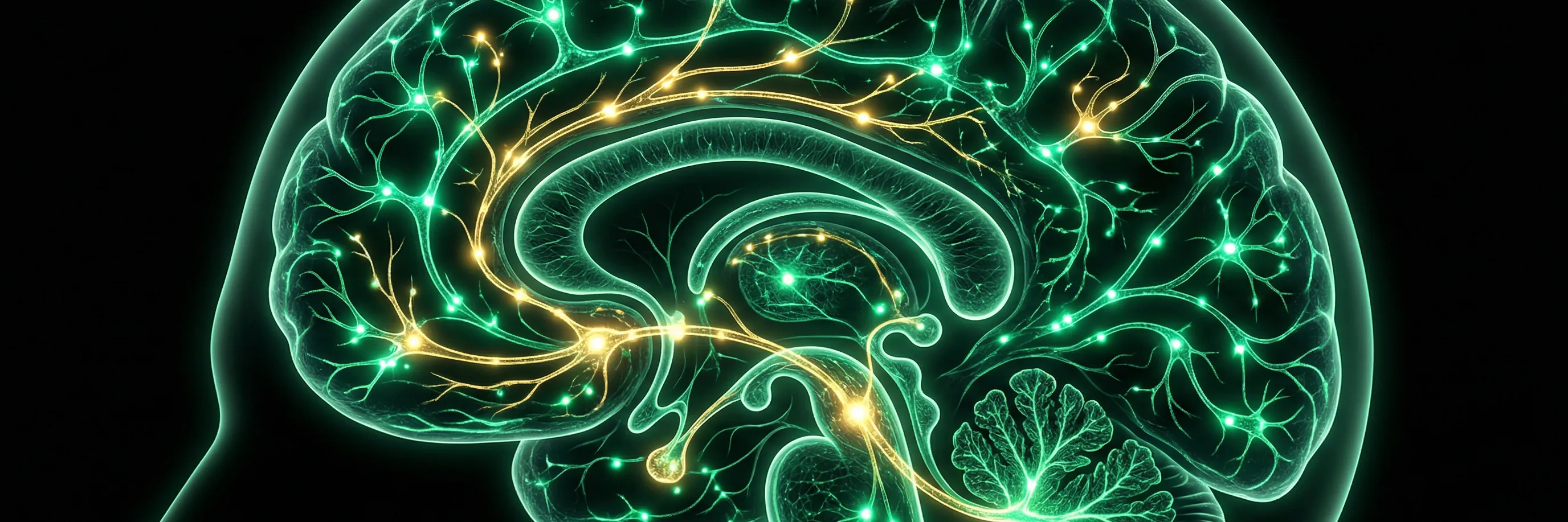
На 252-м часу отказа от курения (11-й день) никотин полностью выведен из вашего организма. Активный мукоцилиарный эскалатор: Реснички по всему трахеобронхиальному дереву отросли до примерно 70% нормальной плотности. Дыхание ощущается заметно легче — физическое ощущение, которое усиливает психологическую приверженность оставаться некурящим. Это нормальная и документированно подтвержденная стадия никотиновой абстиненции.
ЧТО ПРОИСХОДИТ В ВАШЕМ ОРГАНИЗМЕ
Реснички по всему трахеобронхиальному дереву отросли до примерно 70% нормальной плотности. Мукоцилиарный эскалатор активно очищает накопившийся мусор из нижних дыхательных путей. Сигаретный дым содержит более 7000 химических веществ — никотин формирует зависимость, но продукты горения (смола, угарный газ, формальдегид, бензол) наносят наибольший физический ущерб. С выведением никотина прекращается и постоянное воздействие этих токсинов.
В данный момент — «Активный мукоцилиарный эскалатор» — ваш организм полностью свободен от никотина и сосредоточен на неврологическом восстановлении и восстановлении тканей.
11-й день: плотность рецепторов в вашем мозге приближается к базовому уровню некурящего человека — к состоянию, которого не было с тех пор, как вы стали регулярно курить. Неврологическая зависимость в основном сломлена. Чувствительность к дофамину нормализовалась — естественные награды регистрируются с соответствующей интенсивностью. Ваш сердечно-сосудистый профиль риска значительно улучшился: артериальное давление нормализовалось, вариабельность сердечного ритма увеличилась, уровень фибриногена снижается.
ЧТО ВЫ ЧУВСТВУЕТЕ
Дыхание ощущается заметно легче — физическое ощущение, которое усиливает психологическую приверженность оставаться некурящим.
Утренние часы несут тяжелую триггерную нагрузку для курильщиков — дорога на работу, рабочий перерыв, утренний кофе. Каждый из этих моментов был ритуалом курения. Сегодня каждый такой момент, который вы проходите без сигареты, ослабляет ассоциацию. Это не ощущается как прогресс, но это он и есть.
Нейронные пути, которые когда-то заставляли вас зажигать сигарету, угасают. Триггер утреннего кофе, желание после еды, стрессовая реакция — все это перезаписывается новыми паттернами. Годы курения создали глубоко укоренившиеся пути в вашем мозге, но четырнадцать дней последовательного некурения установили конкурирующие пути, которые становятся сильнее каждый день. У вас все еще могут возникать случайные мысли о курении, но обратите внимание, как они изменились: они тише, менее настойчивы, больше похожи на воспоминания, чем на команды. Это разница между тягой и мыслью.
ЧТО ДЕЛАТЬ ПРЯМО СЕЙЧАС
Практикуйте глубокое диафрагмальное дыхание в течение двух минут: вдох на 4 счета, задержка на 4, выдох на 6 — почувствуйте разницу.
Подготовка к будущему для курильщиков: Основные триггеры рецидива для бывших курильщиков в первые 1-3 месяца — это (1) употребление алкоголя, особенно в социальных условиях, где другие курят, (2) серьезный жизненный стресс (потеря работы, конфликт в отношениях, утрата), (3) ностальгические размышления («мне действительно нравилось курить» — ваш мозг романтизирует зависимость). Имейте план для каждого случая. SOS-функция приложения 336 предоставляет 60-секундное дыхательное упражнение для экстренных случаев тяги.
Отслеживание вех: Поставьте 30 дней как вашу следующую цель. Через 30 дней без курения ваши легкие достигнут значительного прогресса в очищении от смолистых отложений. Через 90 дней ваше кровообращение заметно улучшится. Через 1 год ваш избыточный риск ишемической болезни сердца снизится наполовину по сравнению с курящим человеком.
ЧТО ОЖИДАТЬ В ЭТОТ ЧАС
В этот утренний период 11-го дня отказа от курения симптомы абстиненции относительно управляемы. Ваш организм полностью свободен от никотина — все оставшиеся симптомы представляют неврологическую адаптацию, а не химическую абстиненцию. Вы достигли фазы Нового базового уровня (дни 11-14). Ваш мозг и тело устанавливают свою новую норму без курения. Физиологическая зависимость сломлена — остается формирование привычек и идентичности некурящей жизни.
ИЗМЕНЕНИЯ В ОРГАНИЗМЕ
Уровень никотина: 0% — полностью выведен из кровотока. Ваш организм достиг полного выведения никотина на 72-м часу.
Ваши легочные реснички — крошечные волосовидные структуры, которые были парализованы сигаретным дымом — регенерируют и начинают выметать накопившуюся смолу и мусор из ваших дыхательных путей. Вот почему вы можете больше кашлять: это признак исцеления, а не повреждения.
ЧАСТЫЕ СИМПТОМЫ СЕГОДНЯ
ЧАСТО ЗАДАВАЕМЫЕ ВОПРОСЫ
Нормально ли чувствовать себя так через 252 часа после отказа от курения?
Да. На 252-м часу (11-й день) ваш организм полностью свободен от никотина и проходит неврологическую адаптацию. Симптомы, которые вы испытываете — а на этом этапе они невелики — являются документированной частью никотиновой абстиненции, и они пройдут.
Защищен ли я от рецидива после 11 дней без курения?
После 11 дней ваша физиологическая зависимость в основном сломлена — плотность рецепторов мозга приближается к базовому уровню некурящего. Но риск рецидива не падает до нуля. Самые рискованные моменты в следующий месяц — это употребление алкоголя, экстремальный стресс и ностальгия по ритуалу. Ваша защита: приверженность идентичности. Вы не «человек, который бросил курить» — вы «человек, который не курит».
Получайте почасовое руководство, уведомления с инструктажем и аудио-коучинг прямо на свой телефон.