UUR 246 VAN 336Basaal Metabolisme Herkalibratie
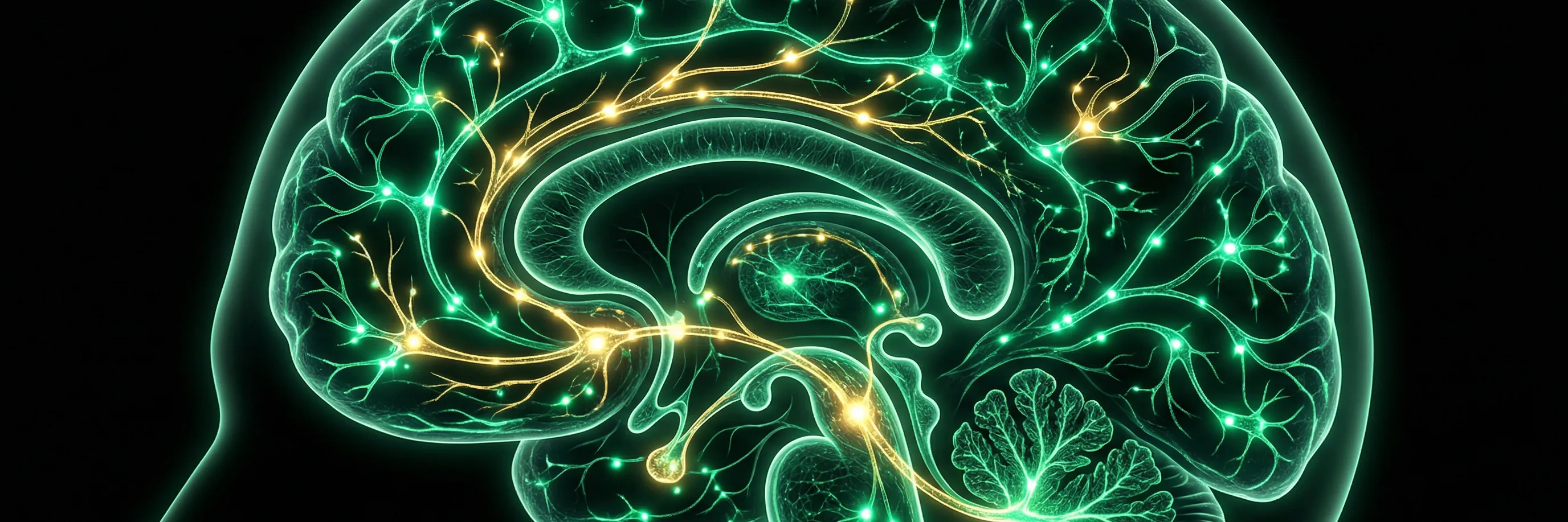
Op uur 246 van het stoppen met roken (dag 11) is nicotine volledig uit je lichaam verdwenen. Basaal Metabolisme Herkalibratie: Metabolisme, dat kunstmatig verhoogd was door nicotine's sympathomimetische effecten, is gestabiliseerd. Eetlustregulatie normaliseert — voedselverlangens worden minder intens naarmate leptine- en ghrelinesignalering opnieuw in balans komt. Dit is een normale en gedocumenteerde fase van rookontwenning.
WAT ER IN JE LICHAAM GEBEURT
Metabolisme, dat kunstmatig verhoogd was door nicotine's sympathomimetische effecten, is gestabiliseerd. Calorisch verbruik reflecteert nu het echte basale metabolisme. Sigarettenrook bevat meer dan 7.000 chemicaliën — nicotine zorgt voor de verslaving, maar de verbrandingsbijproducten (teer, koolmonoxide, formaldehyde, benzeen) veroorzaken de meeste lichamelijke schade. Naarmate nicotine verdwijnt, verdwijnt ook de constante blootstelling aan deze gifstoffen.
Op dit moment — "Basaal Metabolisme Herkalibratie" — is je lichaam volledig nicotinevrij en richt het zich op neurologisch en weefsel herstel.
Dag 11: de receptordichtheid van je hersenen benadert het baseline niveau van niet-rokers — een toestand die het niet meer heeft gekend sinds je een regelmatige roker werd. De neurologische verslaving is fundamenteel doorbroken. Dopaminegevoeligheid is genormaliseerd — natuurlijke beloningen registreren met de juiste intensiteit. Je cardiovasculaire risicoprofiel is aanzienlijk verbeterd: bloeddruk genormaliseerd, hartritme variabiliteit toegenomen, fibrinogeenspiegels dalend.
HOE JE JE VOELT
Eetlustregulatie normaliseert — voedselverlangens worden minder intens naarmate leptine- en ghrelinesignalering opnieuw in balans komt.
Vroege ochtenduren zijn een risicovolle periode voor ex-rokers. De "eerste sigaret van de dag" was vaak de meest psychologisch versterkte van alle dagelijkse sigaretten — gekoppeld aan wakker worden, koffie en de overgang van slaap naar alertheid. Je hersenen zoeken nu naar dat signaal. Vervang het door iets fysieks: strek je uit, spat koud water op je gezicht, ga naar buiten voor frisse lucht.
De neurale paden die je er ooit toe aanzetten een sigaret op te steken, vervagen. De koffie-trigger van de ochtend, de behoefte na de maaltijd, de stressreactie — dit alles wordt overschreven door nieuwe patronen. Jaren roken creëerden diep ingesleten paden in je hersenen, maar veertien dagen consequent niet-roken hebben concurrerende paden gevestigd die elke dag sterker worden. Je hebt misschien nog af en toe gedachten over roken, maar merk op hoe ze zijn veranderd: ze zijn stiller, minder urgent, meer als herinneringen dan commando's. Dat is het verschil tussen een craving en een gedachte.
WAT JE NU MOET DOEN
Eet een eiwitrijk ontbijt om je bloedsuiker te stabiliseren en energiedips te voorkomen die cravingsensaties kunnen nabootsen.
Toekomstbestendig maken voor rokers: De belangrijkste terugval triggers voor ex-rokers in maanden 1-3 zijn (1) alcohol drinken, vooral in sociale situaties waar anderen roken, (2) grote levensstress (baanverlies, relatieconflict, rouw), (3) nostalgisch denken ("Ik vond roken eigenlijk wel lekker" — je hersenen romantiseren de verslaving). Heb een plan voor elk. De SOS-functie van de 336 app biedt een 60-seconden ademhalingsoefening voor craving-noodgevallen.
Mijlpaal tracking: Stel 30 dagen als je volgende doel. Na 30 dagen rookvrij hebben je longen aanzienlijke vooruitgang geboekt in het opruimen van teerafzettingen. Na 90 dagen is je circulatie meetbaar verbeterd. Na 1 jaar daalt je extra risico op coronaire hartziekte tot de helft van dat van een huidige roker.
WAT JE DIT UUR KUNT VERWACHTEN
In deze vroege ochtenduren op dag 11 van het stoppen met roken zijn onthoudingsverschijnselen relatief beheersbaar. Je lichaam is volledig vrij van nicotine — alle resterende symptomen zijn neurologische aanpassing, geen chemische onthoudingsverschijnselen. Je hebt de Nieuwe Baseline fase (Dagen 11-14) bereikt. Je hersenen en lichaam vestigen hun nieuwe normaal zonder roken. De fysiologische verslaving is doorbroken — wat overblijft is het opbouwen van de gewoonten en identiteit van je niet-rokende leven.
LICHAAMSVERANDERINGEN
Nicotinespiegel: 0% — volledig verdwenen uit je bloedbaan. Je lichaam bereikte volledige nicotine-uitscheiding op uur 72.
Je longcilia — de kleine haarachtige structuren die werden verlamd door sigarettenrook — regenereren en beginnen geaccumuleerd teer en vuil uit je luchtwegen te vegen. Daarom hoest je misschien meer: het is een teken van genezing, geen schade.
VEELVOORKOMENDE SYMPTOMEN VANDAAG
VEELGESTELDE VRAGEN
Is het normaal om me zo te voelen 246 uur na het stoppen met roken?
Ja. Op uur 246 (dag 11) is je lichaam volledig vrij van nicotine en ondergaat neurologische aanpassing. De symptomen die je ervaart — die laag zijn in dit stadium — zijn een gedocumenteerd onderdeel van nicotine-onthoudingsverschijnselen en ze zullen voorbijgaan.
Ben ik veilig voor terugval na 11 dagen zonder roken?
Na 11 dagen is je fysiologische verslaving grotendeels doorbroken — hersenen receptordichtheid benadert het baseline van niet-rokers. Maar het terugvalrisico daalt niet tot nul. De hoogrisico momenten in de komende maand zijn alcoholconsumptie, extreme stress, en nostalgie voor het ritueel. Je verdediging: identiteitsverbintenis. Je bent niet "iemand die gestopt is met roken" — je bent "iemand die niet rookt."
Krijg uur-voor-uur begeleiding, pushnotificatie briefings en audiocoaching direct op je telefoon.